



The Promise and Peril of a Demanding Fabric
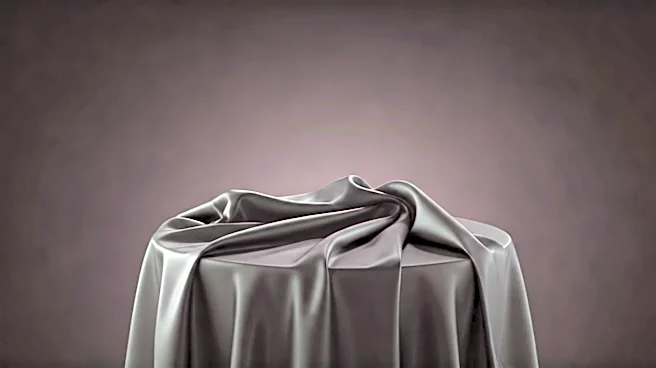
First, a quick fabric lesson: satin isn’t a fiber, it's a weave. The specific weaving pattern creates a glossy, smooth surface on one side by having most of the threads “float” on top. This is what gives satin its signature high-wattage shine. The appeal
is obvious. When it moves, it catches light like nothing else, creating a sense of liquid luxury. It feels incredible against the skin and photographs like a dream… if everything is perfect. But that famous shine is also its biggest liability. Light reflects off the smooth surface, which means it also reflects off every single curve, line, or bump underneath it. Unlike a forgiving matte crepe or a textured tweed, satin hides nothing. It’s an honest fabric in a world that often relies on illusion, and its honesty can be brutal.
The Cardinal Sin: A Cut That’s Too Tight
The most common mistake you’ll see on the Tonys carpet—or any awards show—is a satin gown cut too tightly. Designers often try to create a bombshell silhouette by making a dress skintight, but with satin, this backfires spectacularly. Most satins, especially silk charmeuse, have almost zero natural stretch. When you pull it taut over the body, the fabric doesn’t give; it strains. Seams pucker under the tension, creating unsightly horizontal stress lines across the hips, bust, or stomach. Instead of looking sleek and sculpted, the wearer looks constrained. Every movement becomes a risk, with the fabric pulling in one direction and wrinkling in another. A dress that looked perfect on a stationary mannequin becomes a roadmap of tension points the moment a real person tries to walk, sit, or even breathe in it.
Ignoring the Power of the Bias Cut
This is where real mastery comes in. Ask any seasoned designer, and they'll tell you that the secret to a successful satin gown is often the bias cut. This means cutting the fabric at a 45-degree angle to its grain. Instead of being rigid, the fabric gains a beautiful, fluid drape and a slight mechanical stretch. It allows the satin to skim the body’s curves rather than cling to them desperately. Think of those iconic 1930s screen siren gowns or the simple-but-devastating slip dresses of the ‘90s. They moved with the wearer because they were cut on the bias. When a designer skips this step to save fabric (a bias cut is notoriously wasteful) or because they don’t understand the material, the result is a dress that looks stiff, cheap, and unforgiving. It’s the difference between a gown that flows and one that fights.
The Underpinning Problem
Satin is the friend who will tell everyone your secrets. In this case, the secret is what you’re wearing underneath—or what you’re not. Because it’s so reflective and often lightweight, satin will telegraph the line of any panty, bra strap, or shapewear seam. It’s not a fabric you can just throw on. A successful satin look requires a serious foundation strategy. This often means completely seamless undergarments, or better yet, a gown with its own structure built right in. Corsetry, boning, or an integrated bodysuit can provide the smooth canvas that satin needs to shine. Without that internal support, the dress is left to fend for itself, and it will almost always lose the battle, showing every lump and bump the camera’s flash can find.
When It Works, It’s Magic
So, is satin a lost cause? Absolutely not. When a designer respects the fabric, the results are breathtaking. The solution isn’t to avoid satin, but to choose the right kind for the right cut. Heavier weights, like duchess satin, are fantastic for structured, architectural gowns because they have body and hold their shape. Think of grand ballgowns or A-line silhouettes where the fabric isn’t required to cling. For slinkier looks, a perfectly executed bias-cut silk charmeuse that drapes and pools is pure elegance. The common thread is that the cut either provides its own structure or gives the fabric room to move. When a satin dress succeeds on the red carpet, it's not by accident. It's a triumph of engineering and a testament to a designer who understood the assignment.