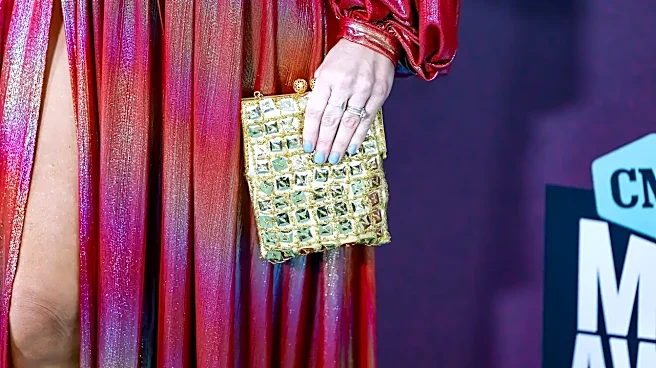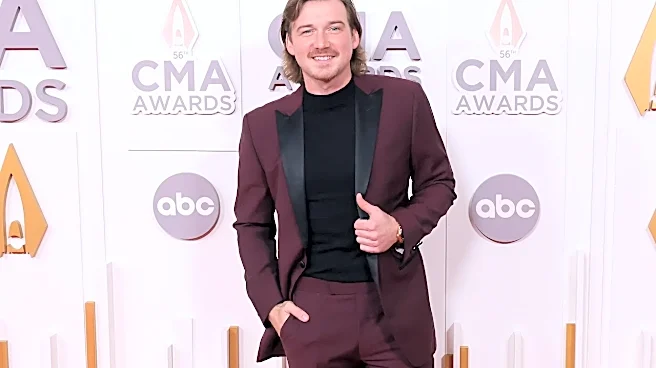






The trophies for the 60th Annual CMA Awards have been polished and the winners' speeches are fading from memory. But the biggest conversation in country music this week has little to do with who won and everything to do with who was told to stay home.
The Snub That Sparked a Firestorm
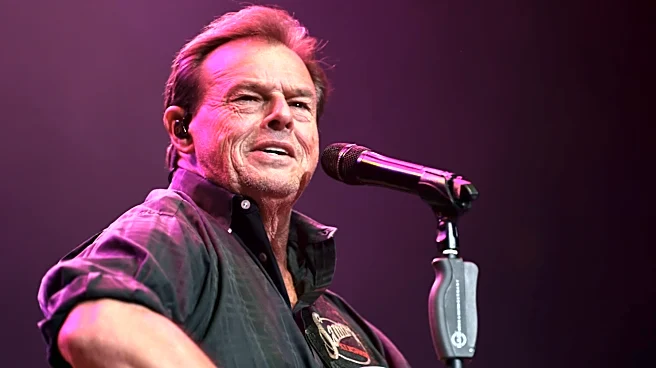
The controversy ignited when '90s country star Sammy Kershaw, a lifetime CMA member known for hits like 'She Don't Know She's Beautiful', revealed he had been denied a spot to walk the red carpet. Kershaw posted on social media that after rearranging his tour schedule and booking travel, he was informed he didn't meet the criteria. He called the decision 'extremely hurtful, embarrassing and very disappointing'. Soon after, fellow artist Rodney Atkins shared a similar story, stating he and his wife were also denied red-carpet access and had decided not to attend the awards at all. For many fans, this felt like a slap in the face to the genre's veterans.
A Unified Front of Outrage
Nothing unites country fans like the perception of disrespect toward a legacy artist. The backlash was swift and fierce. Kershaw’s post went viral, with thousands of fans and numerous current stars rallying to his defense. Carly Pearce commented, 'Many of us wouldn't be here without artists like you', while Riley Green, a 2026 nominee, wrote, 'If you haven't earned the right to be there then nobody has'. Stella Parton, sister of Dolly, weighed in, noting that legacy artists have felt excluded for years, suggesting the organization is more focused on corporate sponsorships than its history. The sentiment was clear: if there's no room for the legends, who is the red carpet for?
The 'Influencer' Question
The debate quickly zeroed in on a common fan grievance: the increasing presence of social media influencers on awards show red carpets. Many fans on social media pointed out the irony of denying access to multi-platinum country singers while granting it to TikTok and Instagram personalities with little connection to country music. This tapped into a deeper frustration that the CMA is chasing fleeting online trends at the expense of honoring the artists who built the foundation of the industry. As '90s hitmaker Mark Chesnutt put it, the CMA seems to roll out the welcome mat for pop stars and celebrities but doesn't respect the stars that dominated the charts in the past.
More Than Just a Red Carpet
In response to the growing PR disaster, the CMA issued a statement citing 'limited space and security needs' as the reason for its red carpet criteria. The organization apologized to anyone who felt excluded and acknowledged the conversation was 'about more than a red carpet'. It confirmed it was in communication with Kershaw's team. But for many, the apology fell flat. The issue became a symbol for a larger cultural struggle within country music: the tension between honoring its roots and chasing mainstream relevance. The perception is that the institutional side of Nashville is prioritizing fleeting fame and corporate interests over the genre's soul. While Kershaw later announced he had received a personal apology and an invitation, the debate had already laid bare a major fault line in Music City.