




A Blueprint in the Dust
Before it was a global phenomenon, Burning Man was an experiment. Founded on a set of 10 Principles, it wasn't just a festival but a temporary city built on radical ideas. Principles like 'Radical Inclusion' (everyone is welcome), 'Radical Self-expression'
(be yourself, loudly), and 'Participation' (no spectators allowed) created a unique social fabric. Art wasn't something to be passively observed in a gallery; it was massive, interactive, and often, built to be climbed on, explored, and ultimately, burned. This ethos—where the audience is not a consumer but a co-creator of the experience—provided a powerful, open-source model for a new kind of entertainment. It was a world built for sensory immersion and compelling interactivity, where the user's experience was more important than any single artwork.
The Rise of the 'No Spectators' Rule
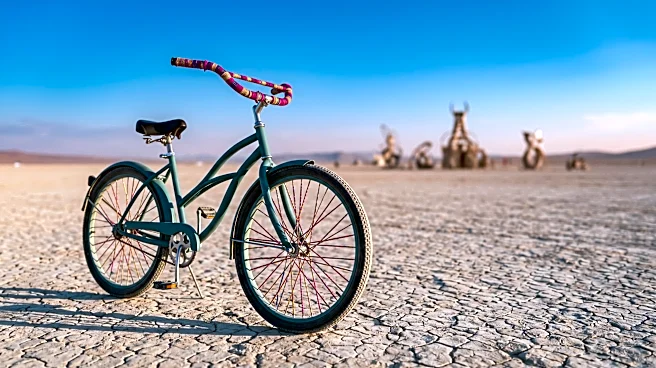
The phrase “no spectators” is a core tenet of Burning Man, and its influence is most obvious in the world of immersive theater. Before productions like Sleep No More became landmarks, theater was largely a passive experience. But Sleep No More, which lets masked audience members roam a multi-story hotel to piece together a story, is pure Burning Man in spirit. It shattered the fourth wall, trusting the audience to build their own narrative and be physically present in the story's world. This shift from observation to participation is a direct echo of navigating the Black Rock City playa, where your journey and discoveries create a unique, unrepeatable experience. Instead of being told a story, you inhabit it, touching the props and following the performers at will. This created a new genre where the environment itself is a main character, a concept central to the large-scale installations found in the desert.
From Art Cars to Art Mazes
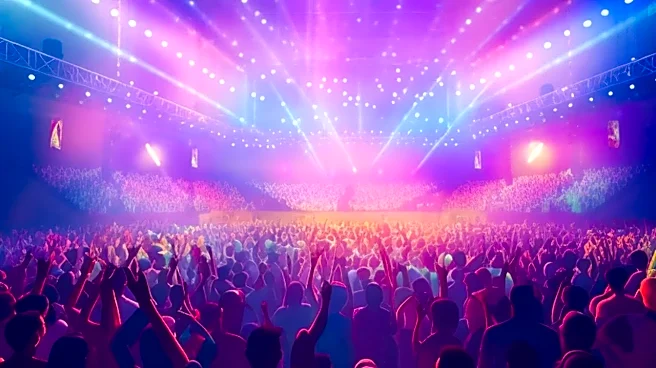
The influence on visual art and nightlife is just as profound. Large-scale music festivals increasingly mirror Burning Man's layout, shifting focus from a single headliner to a sprawling landscape of discovery. You now expect to find massive, glowing art pieces, roving 'art cars' blasting music, and themed camps scattered throughout festival grounds. But the clearest inheritor of this DNA is the boom in experiential art spaces, most notably Meow Wolf. Founders of these popular art mazes have often cited Burning Man as a direct inspiration. Meow Wolf's massive, interactive funhouses—part art gallery, part playground, part mystery narrative—are built on the Burner principle of collaborative, hands-on discovery. They are permanent, ticketed versions of the fantastical, disorienting, and joyful art installations that were once only available for one week a year in the desert.
The Commercial Paradox
Herein lies the great irony: one of Burning Man's most sacred principles is 'Decommodification', a stand against commercialism, sponsorships, and advertising. The culture is based on a gift economy, where value lies in shared experience, not transactions. Yet, the aesthetic it pioneered has become the foundation for the billion-dollar 'experiential economy'. Instagram-friendly pop-ups and branded 'experiences' borrow the visual language of large-scale interactive art but wrap it in a commercial package. They sell the feeling of participation that Burning Man championed, but without the communal effort, self-reliance, or anti-consumerist ethos. This has led to a cultural course-correction within the Burning Man community, which actively resists being seen as just another pricey, all-inclusive festival.