




It Starts With Light and Contrast
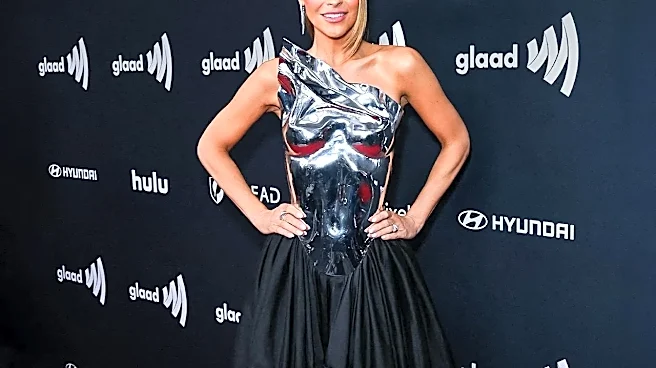
At its core, the power of metallic fabric is simple science. The human eye is instinctively drawn to light and high contrast. Shiny surfaces like satin, lamé, or fabrics with a foil finish are exceptional at reflecting light, creating the brightest points
in our field of vision. A designer using a matte black fabric as a base can introduce a single strip of silver or gold, and that strip will immediately become a focal point. This isn't just about being 'shiny'; it’s about creating what designers call 'visual weight'. A reflective surface has a high visual weight, demanding attention and telling the viewer’s brain, 'look here'. Matte textures, by contrast, recede. This dynamic allows a designer to build a visual hierarchy within the outfit itself.
Creating Visual Pathways
Clever designers rarely make an entire garment metallic. Instead, they use strategically placed panels and accents to guide the viewer’s eye on a specific journey. Think of a dancer's costume with a swirl of sequins wrapping around the torso. That glittering line doesn't just decorate; it creates a sense of motion and accentuates the curve of the body. A vertical metallic stripe on the side of a pair of leggings can make the leg appear longer and leaner. Similarly, placing a metallic panel across the shoulders can create an illusion of width and power. This technique functions like a visual roadmap. The eye follows the path of highest contrast, allowing a designer to highlight a performer's strongest assets or the specific parts of the body they want the audience to watch.
Amplifying Action and Motion
In a performance context, from a concert stage to an athletic field, movement is everything. Metallic fabrics are uniquely suited to amplify that action. As a performer moves, the angle of the fabric relative to the light source constantly changes, creating a flickering, dynamic effect. A dancer’s pirouette becomes a vortex of light; a quarterback’s throwing motion is emphasized by the flash of a metallic logo on their sleeve. This constant reflection and shimmer make movements appear faster, more dramatic, and more captivating. It’s why metallic spandex is a favorite for dance costumes and athletic apparel; the material doesn't just stretch with the body, it visually enhances every single flex, jump, and spin.
The Psychology of Power and Glamour
Beyond the pure mechanics of vision, metallic fabrics carry deep psychological associations. For millennia, shiny materials like gold and silver have been symbols of wealth, divinity, and power. When a performer wears metallic clothing, they tap into this ancient cultural shorthand. The look can feel futuristic, glamorous, or even otherworldly, elevating the person wearing it from ordinary to extraordinary. It signals confidence and demands to be seen. For artists like Beyoncé or bands such as Gwar and Kiss, metallic and high-shine costumes are integral to their stage personas, helping to build a larger than life character that defines the performance. The fabric becomes part of the storytelling, communicating an aura of luxury, rebellion, or technological prowess before a single note is played.