




A Spectacle Too Big to Tame
The Super Bowl is a one-night affair in one American city, making it a controllable environment perfect for curated celebrity moments. The broadcast director knows exactly where Taylor Swift is sitting, and the halftime show is a masterclass in pop-culture
dominance. The Soccer Cup, by contrast, is a month-long, multi-national juggernaut. With dozens of teams, languages, and supporter groups descending on host nations, the event's center of gravity is everywhere and nowhere at once. The sheer scale creates a chaotic, sprawling celebration that is fundamentally unmanageable. The celebrity industrial complex, which thrives on controlled narratives and carefully managed access, is simply swallowed by the tidal wave of global fandom. While stars like Tom Cruise, Brad Pitt, and David Beckham have been spotted at 2026 matches, their presence feels more like that of a spectator than a central character.
When the Players Are the Real A-Listers
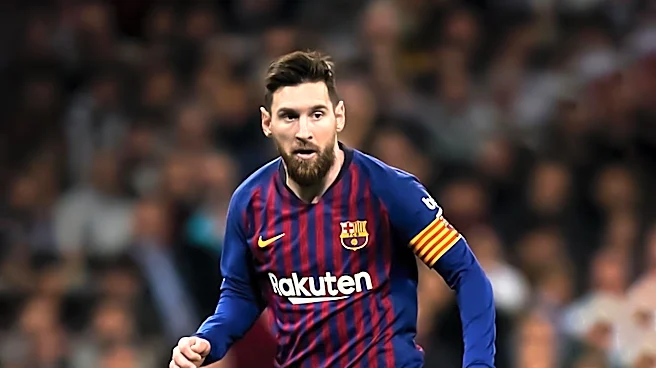
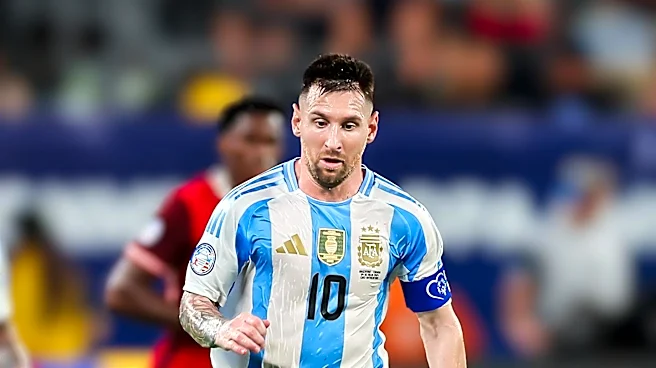
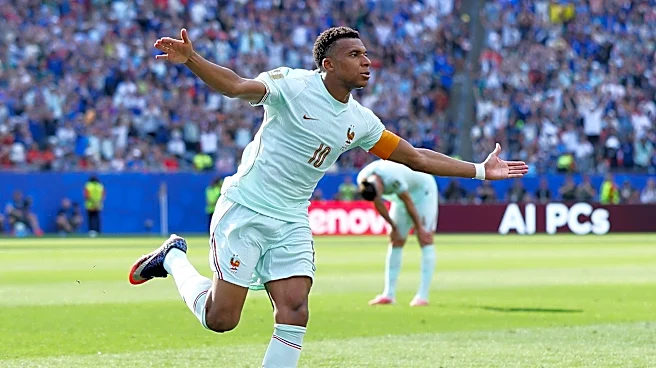
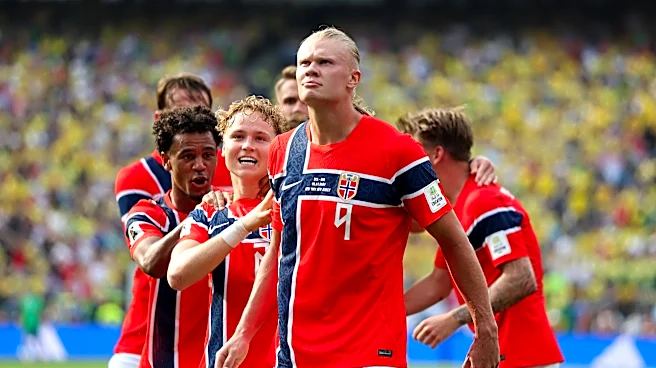
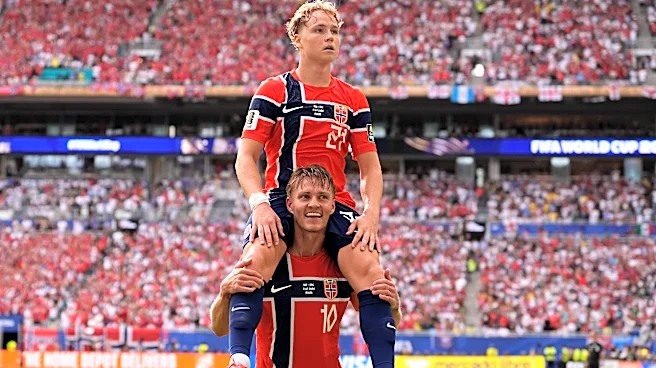
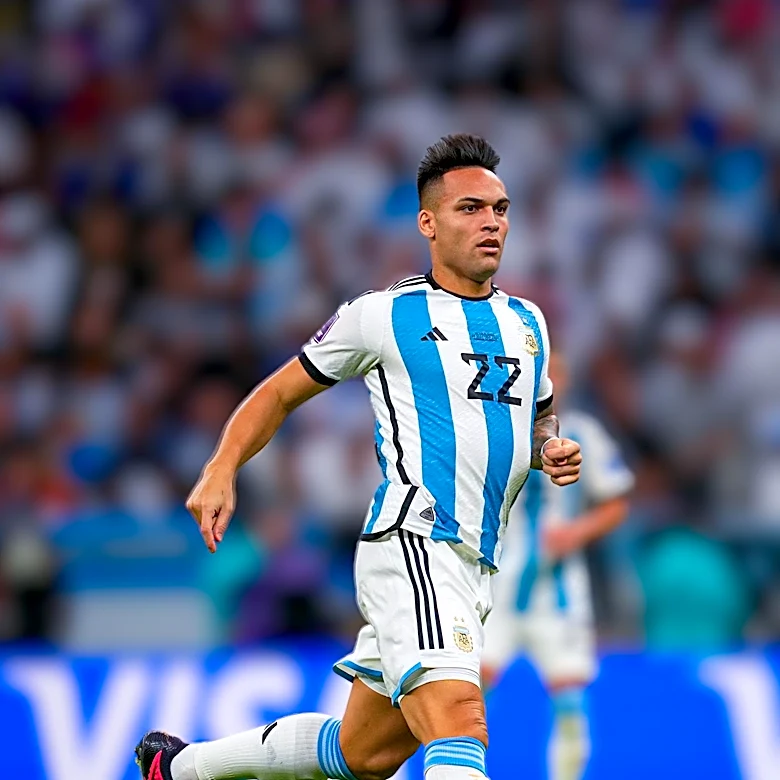
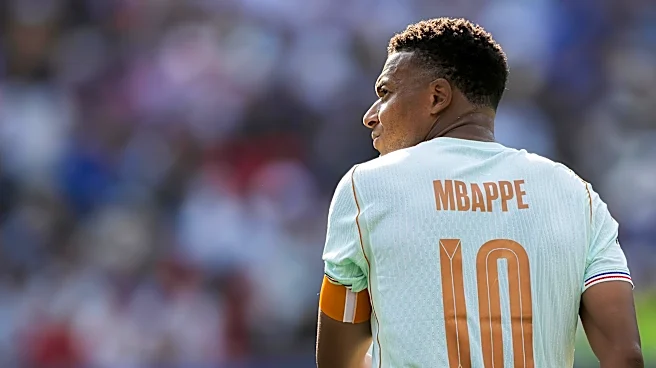
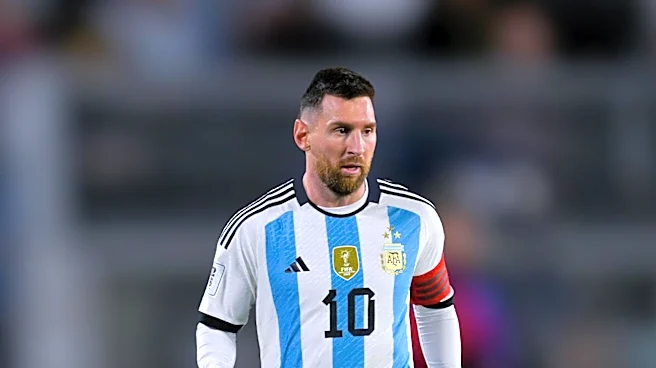
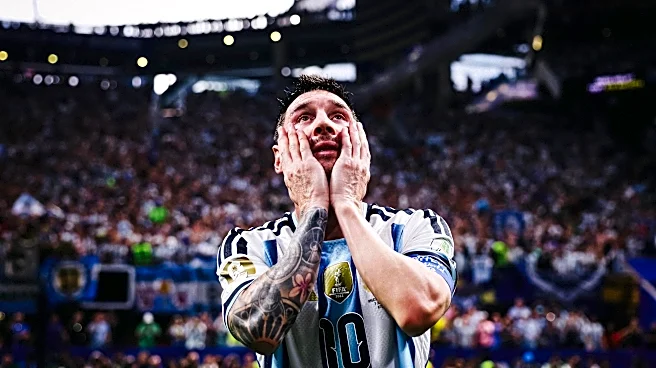
In the universe of American sports, a movie star often carries more cultural weight than a Pro Bowl linebacker. At the Soccer Cup, that hierarchy is inverted. The biggest celebrities at any match are the tenured legends and rising stars on the pitch. For billions of viewers worldwide, names like Messi, Ronaldo, and Mbappé are more recognizable and revered than almost any Hollywood actor. When a fan from Argentina or France looks into the stands, they are looking for fellow supporters, not for a reaction shot from a celebrity who showed up for one game. The currency of fame is context-dependent, and at the world's most popular sporting event, on-field brilliance is the only coin that truly matters. An actor becomes just another face in a sea of painted faces.
The Cameras Are Pointed Elsewhere
Modern American sports broadcasting has perfected the art of the "celeb break." A tense moment on the field is often punctuated by a cutaway to a famous fan, linking the drama of the game to the glamour of the spectator. This serves to reinforce the idea that the event is a cultural happening certified by the rich and famous. At the Soccer Cup, the narrative is almost exclusively on the grass and in the stands filled with die-hard fans. The broadcast is relentlessly focused on the game's flow, the manager's tactical adjustments, and the raw, unfiltered emotion of the supporters who have traveled thousands of miles. While a director might occasionally spot a known celebrity, it’s rarely a priority. The story of a heartbreaking loss or a miraculous victory, as told through the faces of ordinary people, is infinitely more compelling television than a placid celebrity in a VIP box. The human drama is already there; it doesn't need to be imported.
The Authenticity Test
Soccer fandom, particularly at the national level, is deeply rooted in identity, history, and generations of passion. It’s not a hobby; for many, it’s a birthright. This creates a powerful authenticity test that celebrity visitors must pass. Unlike showing up courtside at a Lakers game, which is a status symbol, attending a World Cup match as a neutral tourist can look performative. True acceptance requires a demonstration of genuine investment, like Ryan Reynolds' deep involvement with Wrexham AFC or the legions of former players who attend as devoted alumni. Celebrities who simply parachute in for a photo-op risk being seen as bandwagon fans or, worse, marketing props. In this environment, they don't control the narrative; they are subject to it. They can either be embraced as one of the tribe or politely ignored as a temporary distraction.