




From Function to Fantasy
Before it was a style, it was a survival kit. In its early days, Burning Man fashion was dictated by the harsh realities of the Black Rock Desert: scorching days, freezing nights, and blinding dust storms. Clothing was often functional—shorts, t-shirts,
and practical boots. But as the event grew from a small beach bonfire in 1986 into a counter-cultural pilgrimage, its ethos of "Radical Self-Expression" began to manifest visually. By the '90s and 2000s, attendees were experimenting with punk-inspired gear, animal prints, and neons, turning functional items like dust masks and goggles into canvases for creativity. The look was a bricolage of post-apocalyptic survivor, psychedelic raver, and spiritual wanderer, a costume for participating in a temporary, idealized community.
The Instagram Invasion
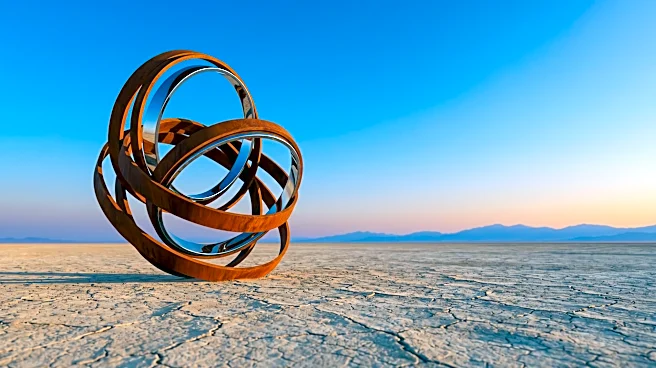
The arrival of Instagram in 2010 changed everything. Suddenly, the remote Nevada desert, once a place to disconnect, became a photogenic backdrop. The visual spectacle of Burning Man—giant art installations, mutant vehicles, and otherworldly sunsets—was perfectly suited for the new, image-driven world of social media. Outfits became more elaborate, more theatrical, and more curated. The focus subtly shifted from participation to performance. Veteran burners lamented the rise of "sparkle ponies," a term for attendees who seemed more focused on getting the perfect shot than embracing the event's principles of immediacy and decommodification. Even with limited cell service, the knowledge that photos would eventually be posted drove a new kind of self-consciousness. The playa, once a space of uninhibited expression, was becoming a stage.
Packaging the Rebellion
As perfectly framed photos of dusty, beautiful people flooded social media, the mainstream world took notice. What was once an insider aesthetic was now an aspirational look. Brands, long prohibited from advertising at the strictly decommodified event, saw a backdoor. They couldn't put a logo on the playa, but they could create "festival edits" inspired by it. Fast-fashion retailers began mass-producing cheaper, cleaner versions of the look: pleather utility belts, machine-made kimonos, and plastic goggles bedazzled for effect, not function. The aesthetic was copied, polished, and sold, particularly to attendees of other music festivals like Coachella, which adopted a more comfortable, commercialized version of the desert wanderer vibe. The style became a product, divorced from the principles of self-reliance and anti-consumerism that birthed it.
A Global Visual Shorthand
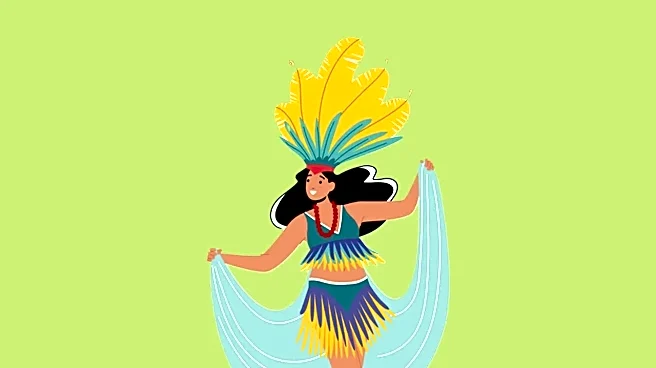
By the late 2010s, the Burning Man aesthetic had become a global visual shorthand. It was a universally understood signifier for a certain kind of bohemian, adventurous spirit. An advertising director could tell their team to "make it a little more Burning-Man-ish," and everyone knew it meant adding a veneer of wild, dusty authenticity. On Instagram, an influencer posting a photo in a feathered headdress and Frye boots against a desert landscape—be it in Nevada, Morocco, or Southern California—was instantly telegraphing freedom, creativity, and a touch of anti-establishment cool, even if the post was sponsored by a water bottle company. The look became a visual cliché, a costume for a lifestyle that could be purchased rather than lived.