


Defining the Parisian Code
To understand its persistence, we first have to define the look. Forget the disco-fever caricatures of Saturday Night Fever. The 1970s Paris aesthetic wasn’t about polyester suits and platform shoes. It was something subtler, more intellectual, and infinitely
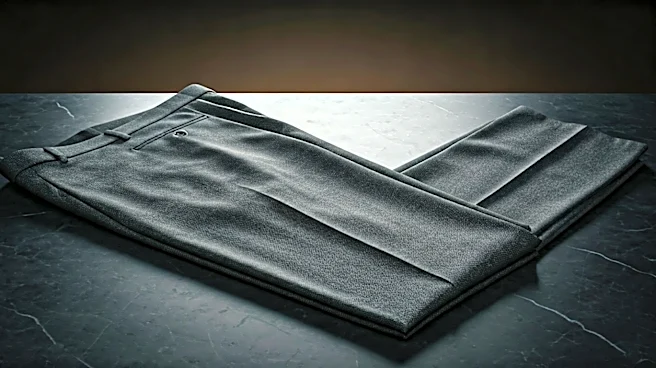
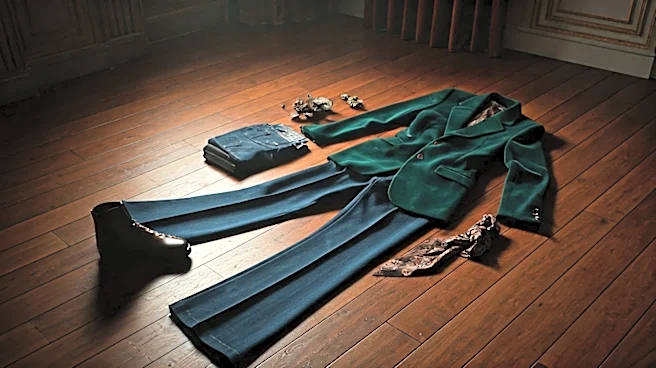
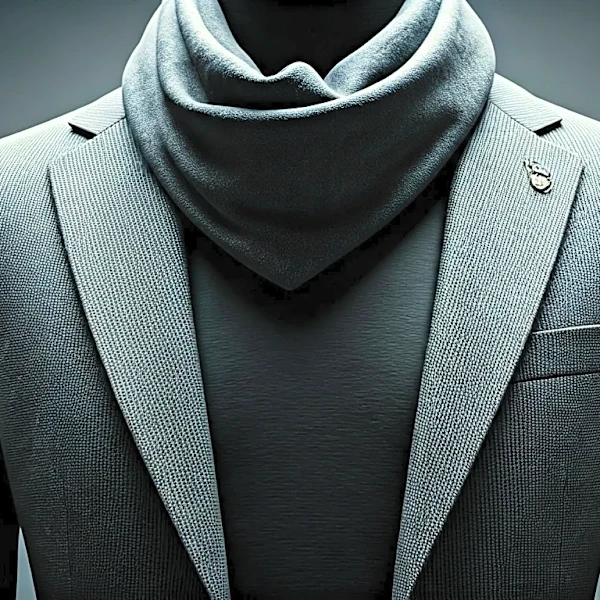
cooler. Think of the uniform popularized by Yves Saint Laurent’s Rive Gauche menswear: high-waisted, flared trousers that created a long, elegant leg line; silk or crepe de chine shirts unbuttoned just a little too low; slim-cut velvet blazers; and the ever-present heeled leather boot. It was a wardrobe that belonged to poets, artists, and late-night thinkers debating philosophy in Saint-Germain-des-Prés cafes. The color palette was rich and earthy—burgundy, forest green, chocolate brown, mustard—a far cry from the psychedelic neons often associated with the decade. This was clothing that moved with the body, suggesting a sensuality and ease that felt revolutionary for menswear at the time.
A Revolution in a Silhouette
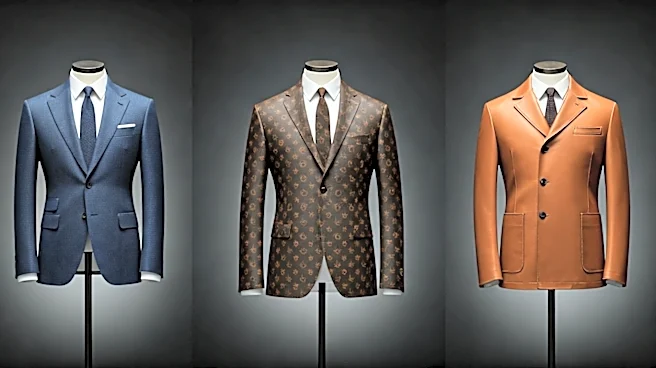
This look didn’t emerge in a vacuum. It was the sartorial expression of a cultural shift. The revolutionary spirit of May 1968 had settled into a more personal, hedonistic form of rebellion. For men, this meant breaking free from the stiff, conservative codes of their fathers’ generation. The Parisian 70s look rejected the rigid architecture of traditional tailoring. Shoulders were softer, fabrics flowed, and waists were cinched, creating a silhouette that was unapologetically romantic and even a bit androgynous. It borrowed from womenswear—the silk blouses, the fitted waists—blurring lines in a way that felt modern and liberating. This wasn't just about looking good; it was about feeling different. It was an aesthetic that championed sensitivity and intelligence over brute masculinity, a style that suggested the wearer had a well-worn book in his pocket, not a stock portfolio.
The Modern Echo on the Runway
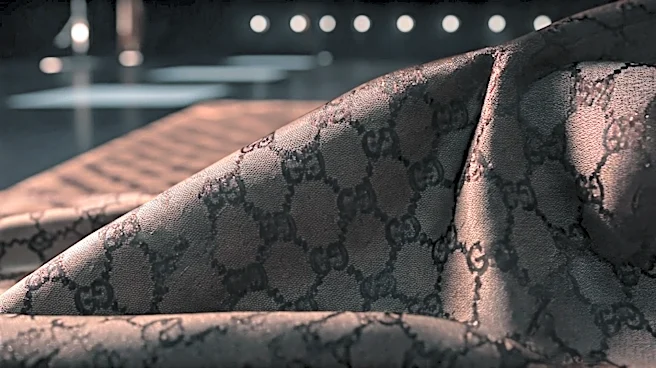
Fast forward to today, and the echoes are impossible to ignore. Look at Hedi Slimane’s work for Celine, where a parade of lanky models in flared jeans, skinny scarves, and leather jackets channels the era’s rock-and-roll bohemianism with razor-sharp precision. At Saint Laurent, Anthony Vaccarello continues the house’s legacy, constantly reinterpreting the louche, fluid tailoring that Yves himself pioneered. Even outside of its Parisian birthplace, designers like Alessandro Michele during his tenure at Gucci tapped into that same spirit, layering patterns and textures with a geek-chic romanticism that felt like a direct descendant of the Rive Gauche. These modern interpretations aren't simple carbon copies. The fits are often slimmer, the fabrics are technologically advanced, and the context is different. But the core DNA—the high waist, the fluid top, the heeled boot, the air of poetic rebellion—remains a potent and endlessly referenced formula.
Why It Keeps Coming Back
So, why the magnetic pull? The enduring appeal of the 70s Parisian code lies in what it offers: an alternative. In a world often dominated by two menswear poles—the rigid formality of suiting and the amorphous comfort of streetwear—this aesthetic provides a compelling third way. It is elegant without being stuffy, and comfortable without being sloppy. It’s dressy, but in a relaxed, confident manner. Moreover, it projects a type of masculinity that feels particularly relevant today—one that is comfortable with softness, sensuality, and intellectualism. It's a style that suggests you care about how you look, but not in a fussy or insecure way. It’s the perfect uniform for a man who wants to look sharp, romantic, and a little bit dangerous, all at the same time. The silhouette is flattering, the attitude is alluring, and the historical romance is baked right in.