






There’s an inherent creepiness to places that are meant to be full of life but are suddenly empty. The 2014 Thanksgiving thriller ‘Kristy’ leans into this, turning a sprawling college campus into a terrifying hunting ground for one lone student.
A Sanctuary Becomes a Cage
In horror,
setting is everything. While haunted houses and remote cabins are staples of the genre, the 2014 film ‘Kristy’ proves that one of the most unsettling locations is one hiding in plain sight: a deserted college campus. The film follows Justine, a student who can’t afford to fly home for Thanksgiving break. What begins as a peaceful, if lonely, holiday weekend quickly descends into a fight for survival. She is left almost entirely alone, with only a couple of security guards and a groundskeeper on a campus built for thousands. At first, there's a certain freedom to it; Justine dances through empty halls and enjoys the solitude. But the film masterfully twists that initial peace into dread. The very emptiness that seemed liberating becomes her prison, creating a vast, exposed landscape with nowhere to truly hide when a violent cyber-cult marks her as their next victim.
Subverting the Ultimate Safe Space
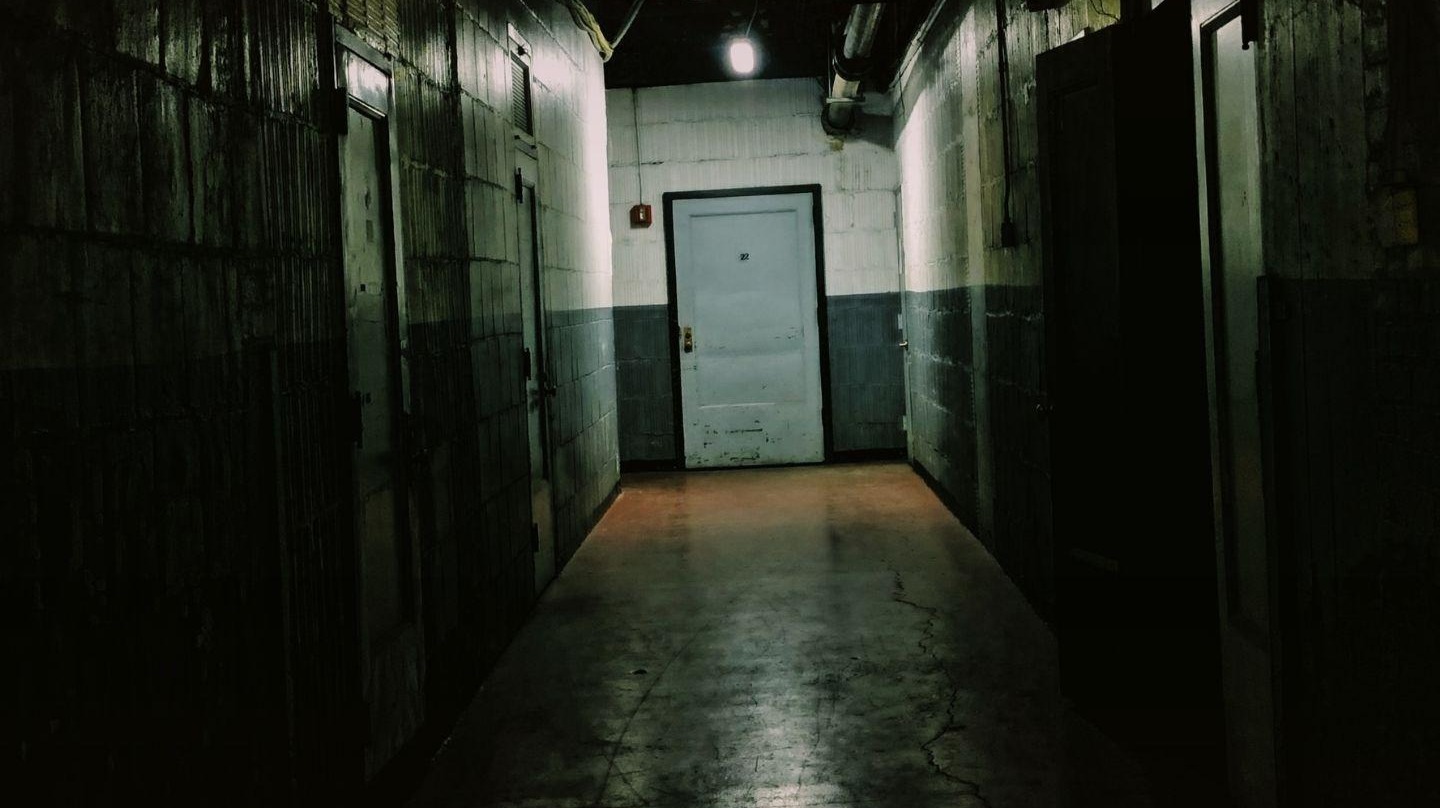
A college campus is coded in our minds as a place of growth, community, and relative safety. It’s a transitional space between childhood and the real world, protected and structured. ‘Kristy’ rips that comforting notion to shreds. The film turns dormitories, libraries, and athletic facilities—places of learning and camaraderie—into sterile, terrifying backdrops for a relentless chase. The horror isn’t just that Justine is being hunted; it’s where she’s being hunted. The long, silent hallways with flickering lights become a maze of potential ambushes. The architecture of the campus, usually a symbol of opportunity, is repurposed as an instrument of terror. By transforming this sanctuary into a hunting ground, the film taps into a deeper fear: the violation of a place where one is supposed to be secure.
The Amplifying Power of Holiday Isolation
Setting the film during Thanksgiving is a crucial element that elevates the horror beyond a simple cat-and-mouse game. The holiday intrinsically centers on themes of family, community, and togetherness. While everyone else is with their loved ones, Justine's isolation is not just physical but profoundly emotional. She is unable to be with her family due to financial constraints, a detail that makes her character more sympathetic and her predicament more tragic. This backdrop of mandated social connection makes her solitude all the more stark. The antagonists, a cult that targets girls they deem privileged 'Kristys', misidentify Justine, who is a work-study student, because she is driving her wealthy friend's BMW. This adds a layer of cruel irony to her plight; she is targeted for a life she doesn’t have, all while being completely cut off from the warmth and safety the holiday is meant to represent.
A Playground for Terror, A Weapon for Survival
While the empty campus makes Justine intensely vulnerable, it eventually becomes her weapon. As a student familiar with the grounds, she knows the layout better than her attackers. The film’s second half sees her transition from prey to predator, using her knowledge of the campus—its buildings, tunnels, and even the chemicals in the swimming pool—to fight back. The extensive chase scenes that make up much of the film's runtime allow the setting to be fully utilized. She turns the sprawling, impersonal space into her own territory, rigging traps and using the environment to outsmart her pursuers. This transformation is key to the film's satisfying conclusion. The setting that once defined her helplessness becomes the source of her empowerment, making her a formidable 'final girl' who doesn't just survive but conquers the very space that was meant to consume her.