




The Unforgiving Four-Year Wait
In American sports, there’s always next year. An NBA or NFL star who falls short in the finals knows another shot is just a few months away. The World Cup offers no such comfort. Its quadrennial cycle means that for players in their 30s, each tournament
is realistically their final chance at glory. A single loss doesn’t just end a season; it can end a career-long dream. Players like Portugal's Cristiano Ronaldo, at 41, and Brazil's Neymar, now 34, are acutely aware that this 2026 tournament is their definitive shot at the one prize that has eluded them. This scarcity turns every knockout game into a high-stakes finale, creating a sense of finality that an annual championship series, no matter how dramatic, simply cannot match.
The Unbearable Weight of a Nation
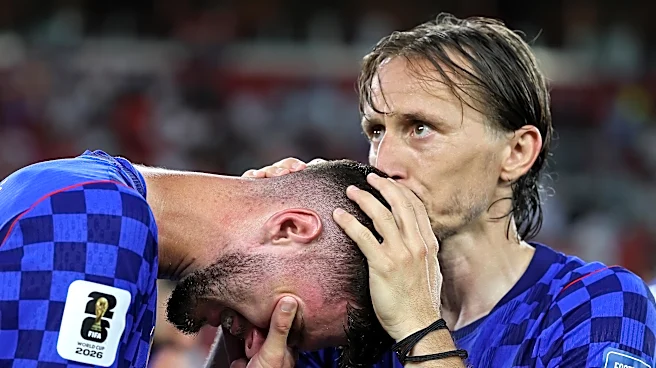
Club loyalty is powerful, but national identity is primal. When a player pulls on their country’s jersey, they are no longer playing for a city or a franchise; they are carrying the hopes of millions. This dynamic is different from the club-centric nature of American pro sports. While a Super Bowl win brings immense pride to a city, a World Cup victory becomes a seminal moment in a nation's history, a source of collective identity and joy. This weight of expectation, the feeling that your performance is tied to national pride, elevates the psychological stakes to an entirely different level. An error isn't just a mistake—it's perceived as a national disappointment, a burden few athletes in other sports have to carry so explicitly.
There Is No Game Seven
The World Cup's knockout stage is brutally simple: win or go home. There is no seven-game series to smooth out a bad night or an unlucky bounce. One off-day, one moment of brilliance from an opponent, or one cruel penalty shootout, and the dream is over for four years. While a best-of-seven format builds drama through a narrative arc of adjustments and comebacks, the World Cup's single-elimination format creates a sustained, nerve-shredding tension. Argentina, the defending champions, nearly saw their 2026 run end against Cape Verde, needing extra time to survive. Brazil was stunned by Norway, ending Neymar's campaign abruptly. This unforgiving structure, where every match from the round of 32 onward is an elimination game, distills pressure into its purest and most intense form.
The Global Stage and the Final Verdict
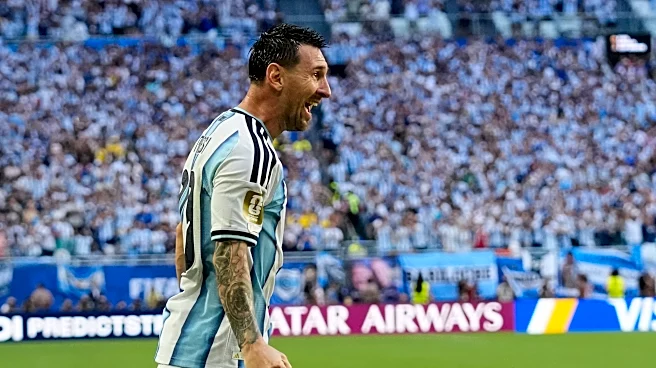
The Super Bowl is a massive event, but its audience is overwhelmingly American. The World Cup final is the most-watched single sporting event on Earth, with the 2022 final captivating an estimated 1.5 billion people. This global audience ensures that a player's performance is scrutinized on an unparalleled scale. For superstars like Ronaldo and Argentina's Lionel Messi, the World Cup has always been the final crucible for their legacies. Messi finally completed his journey by winning in 2022. For Ronaldo, this tournament is the last chance to capture the one trophy that would definitively end any debate about his place in the pantheon. This is what separates the World Cup—it’s not just a championship, but a global referendum on greatness held only once every four years.