





The Closed Loop of Nostalgia
For millennials, *Toy Story* isn’t just a movie series; it’s a foundational cultural document. The original 1995 film arrived as they were Andy’s age. *Toy Story 2* matured with them. And *Toy Story 3*, released in 2010, was a masterstroke of timing,
hitting theaters as that same generation was leaving for college, packing up their own childhoods. Andy’s tearful goodbye to Woody and Buzz was their goodbye. It was a perfect, emotionally devastating, and narratively complete circle. These fans, now in their 30s and 40s, are the parents filling theater seats. They carry nearly three decades of emotional baggage into this franchise. For them, the story is over. Woody found his purpose, Andy grew up, and the toys found a new home. Any continuation risks undoing that profound sense of closure. They aren’t looking for a new adventure; they’re looking to protect a memory.
The Blank Slate Audience
Now consider their children, the Gen Alpha kids who will be the film's primary target. They have no memory of the 1995 premiere. They didn’t experience the 11-year gap between the second and third films. To them, Woody and Buzz are timeless characters, no different from Mickey Mouse or SpongeBob SquarePants. They likely binged all four movies on Disney+ in a single weekend. The weighty themes of mortality, purpose, and the pain of being forgotten that so defined the later films for adults are, for them, just plot points. They aren’t invested in the finality of *Toy Story 3*. They don't care about Woody's existential crisis in *Toy Story 4*. They want fun. They want new, marketable characters like Forky. They want bright, fast-paced adventure. They are a blank slate, and their parents are a fully written book.
The 'Toy Story 4' Experiment
*Toy Story 4* was the first real test of this generational split. While a commercial and critical success, its reception was noticeably cooler than that of its predecessor. The film effectively sidelined beloved legacy characters like Jessie, Bullseye, and Mr. Potato Head to focus almost exclusively on Woody’s journey of self-discovery, a narrative that resonated far more with adults grappling with their own changing roles in life. The primary kid-bait, Forky, felt like a brilliant but separate creation, designed for a different audience than the one contemplating Woody’s retirement. The film proved Pixar could technically continue the story, but it also revealed a fracture in the fanbase. It catered to the parents’ complex emotions while giving the kids a wacky, spork-based side quest. It was two movies in one, and while both were good, they weren't entirely cohesive.
Pixar’s Impossible Tightrope
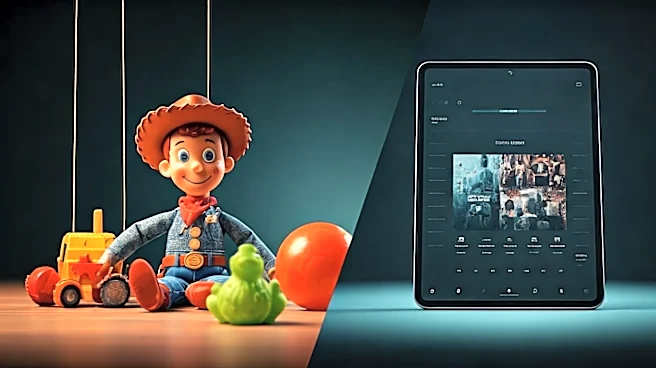
This leads to the central challenge for *Toy Story 5*. It has to satisfy two opposing focus groups simultaneously. The parents want a story that honors the emotional weight and finality they felt in 2010. The kids want a vibrant, funny romp with their favorite characters. How can one film do both? If it leans too heavily into nostalgia and mature themes, it risks boring its younger audience—the demographic that drives merchandise sales. If it becomes a simple, kid-friendly adventure, it will feel like a betrayal to the millions of adults who grew up with the series and see it as something more profound. The box office failure of *Lightyear* serves as a stark warning: misjudging the audience's connection to the source material can be catastrophic. That film offered an origin story nobody asked for, detaching the character from the context that made him beloved. *Toy Story 5* has to work with the original characters, but it’s facing the same fundamental tension. Tim Allen (the voice of Buzz) has expressed excitement, stating that the minds behind the original have returned with a story that he says is very emotional. The hope is that they've found a way to bridge the gap, not just split the difference.