








The Obvious, Correct Answer
Let’s cut to the chase. You don't need a list of five options when one stands so clearly above the rest. If you crave a tidal wave of noise, a stadium that literally bounces, and a fanbase whose passion borders on a national religion, there is only one choice
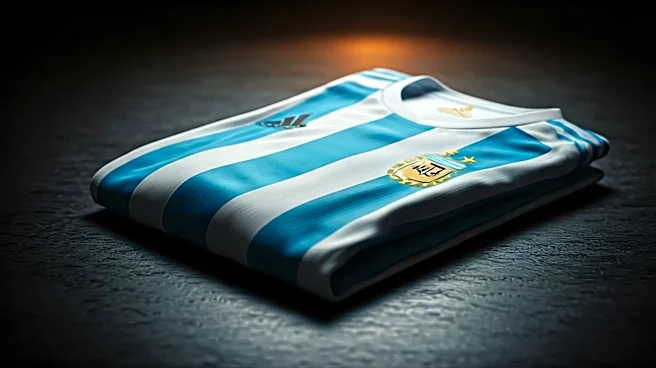
for your second team: Argentina. Forget the polite applause or the occasional well-timed chant. Following *La Albiceleste* (The White and Sky-Blue) is an auditory and emotional commitment. For 90-plus minutes, their supporters are not spectators; they are participants. They are the roaring engine that fuels the team on the pitch, and for an American sports fan accustomed to the start-stop energy of timeouts and commercial breaks, the relentless, rolling thunder of an Argentinian crowd is a revelation.
A Symphony of Chaos
What makes it so loud? It starts with the *cantos*—the songs. This isn’t a rotation of three generic, stadium-approved chants. This is a deep songbook of regional anthems, player-specific hymns, and taunts for their rivals, all sung with lung-busting ferocity from the first whistle to the last. The most famous, "Muchachos, Ahora Nos Volvimos a Ilusionar," became the unofficial anthem of their 2022 World Cup victory, a melancholic yet hopeful tune that echoed from Qatar to the streets of Buenos Aires. Argentinian fans don’t just sing when they’re winning. They sing when they’re losing, when the game is dull, when it’s raining, when it’s scorching hot. The sound is constant, driven by the pulsating rhythm of the *bombos* (bass drums) that are the heartbeat of the supporter sections. It’s a wall of sound designed to intimidate opponents and inspire their heroes. It’s less a cheer and more a collective, primal roar.
The Visual Spectacle
It’s not just an auditory experience. Watching a sea of Argentina fans is a visual feast of glorious, unbridled chaos. Picture tens of thousands of people, all draped in blue-and-white stripes, bouncing in unison until the concrete stands visibly shake. This isn't an exaggeration; it’s a signature move. The bouncing, the endless waving of flags, the confetti cannons, and the massive, choreographed banners (tifos) that cover entire sections of the stadium create an atmosphere that feels more like a rock festival crossed with a religious revival. This culture comes from the country’s intense club rivalries, where the fan groups, or *hinchadas*, have perfected the art of stadium support. When the national team plays, these rivalries are set aside for a common cause, creating a supergroup of the most dedicated and loudest fans in the world. They travel in massive numbers, turning stadiums in Germany, Brazil, or Qatar into a home game.
Passion That Fuels the Pitch
This intense fan energy directly translates to the style of play. Argentinian soccer is not always pristine and surgical. It's often gritty, emotional, and built on *garra*, a concept that loosely translates to 'grit' or 'claw.' It’s the spirit of fighting for every ball as if your life depends on it, because to the millions watching and singing, it feels like it does. When you watch Lionel Messi, a player who has achieved everything, weep with joy after a victory, you're seeing the weight of that national passion. The players are acutely aware of what they represent. They play for the jersey, but they also play for the fans who mortgage their homes to follow them across the globe. This symbiotic relationship—where the crowd’s fervor visibly lifts the team and the team’s performance sends the crowd into delirium—is the essence of what makes them so compelling to watch.