



Canon is a Suggestion, Not a Command
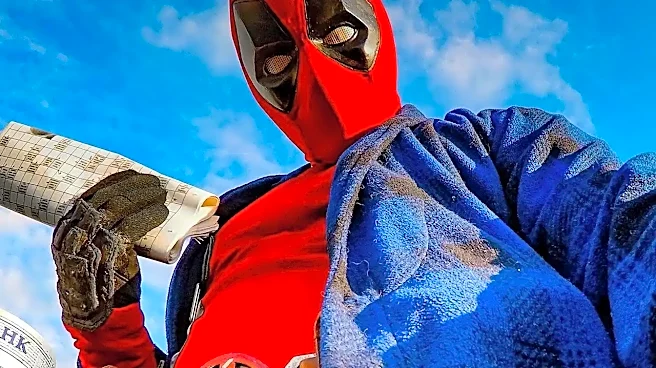
For the thousands of fans who descend on New York Comic Con, cosplay is less about perfect imitation and more about personal interpretation. The meticulous, movie-quality costumes are still present and draw gasps of admiration, but the real creative energy
pulses from the remixes, mashups, and reinterpretations that fill the halls. This isn't about getting a character “wrong”; it’s about engaging with them on a deeper level. Fans are no longer passive consumers of media; they are active participants in its evolution. They see the established stories not as rigid texts but as launching pads for their own creativity. This act of remixing allows them to stand out in a sea of familiar faces and start conversations, turning a simple costume into a statement.
The Art of the Mashup
One of the most visible trends is the character mashup, where two distinct universes collide in a single, clever design. Imagine a Mandalorian bounty hunter, but with the distinct helmet and color scheme of Iron Man. Or picture the terrifying Venom symbiote fused with an ironically cheerful Pokémon like Pikachu. These combinations are more than just a visual gag; they’re a testament to a fan’s fluency in multiple fandoms. The best mashups create a new narrative. They ask “what if?” What if a character from a fantasy epic existed in a cyberpunk future? What if a classic cartoon character had to survive in a gritty, post-apocalyptic world? The result is an outfit that is instantly recognizable yet completely original, rewarding fellow fans who can decode the visual puzzle.
A Statement in Stitches
Beyond clever combinations, many cosplayers use their craft to make a statement. By filtering a classic character through a new aesthetic or historical period—like a steampunk version of the Ghostbusters or a goth-inspired Super Mario—they explore new facets of that character’s identity. This is where cosplay becomes a form of cultural commentary. A 1920s flapper-style Wonder Woman isn't just a costume; it’s an exploration of feminist ideals across different eras. A group of friends dressed as various Disney princesses, but styled as a heavy metal band, challenges our preconceived notions of femininity and strength. These remixes are a way for fans to see themselves reflected in the heroes they admire, adapting archetypes to fit their own identities and experiences.
From Fan Art to Fashion
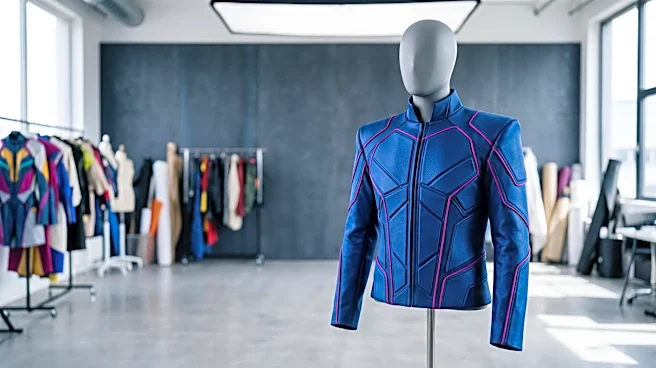
This trend isn't happening in a vacuum. It’s a physical manifestation of the creative impulses that thrive on the internet. For years, fan artists and fan fiction writers have been deconstructing and reimagining their favorite characters. Now, with more accessible tools for fabrication and a welcoming community, those digital “what-ifs” are being brought to life in fabric, foam, and 3D-printed plastic. Gen Z, in particular, has embraced this ethos, blending elements of anime, gaming, and streetwear into their everyday fashion. The line between “costume” and “personal style” is blurring. A subtle nod to a character’s color palette or a jacket inspired by a specific anime can turn a daily outfit into a quiet form of fandom expression. At its heart, cosplay is a way to connect with the stories we love and the community that has grown around them.