





1. Start Small with Accessories
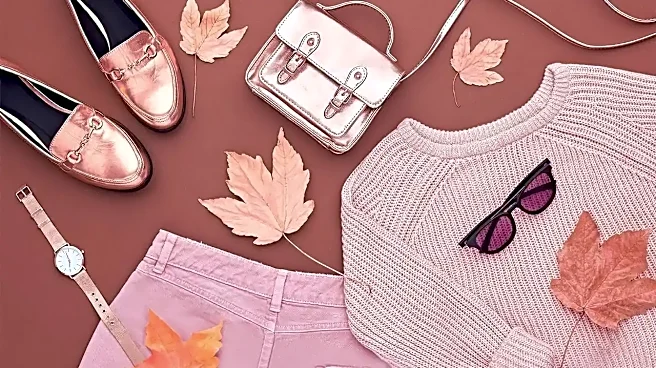
The easiest way to dip your toe into a difficult color is to keep it far from your face and small in scale. Think of the color as a punctuation mark, not the whole sentence. A baseball cap, a beanie, a scarf, or even a pair of statement earrings or a watch
strap can show your spirit without overwhelming your look. A pop of that aggressive orange or jarring yellow on your sneakers or a tote bag adds a sporty, intentional touch to an otherwise neutral outfit. This strategy allows you to nod to your team allegiance while the rest of your outfit remains comfortably within your style zone.
2. Lean on the Secondary Color
Most teams have a palette of two or three colors. If the primary color is the problem—think bright yellow or neon green—focus on the secondary or tertiary colors, which are often more wearable shades like navy, black, gray, or white. You can build your entire outfit around this more palatable color and use the 'bad' color as the small accent mentioned above. A navy quarter-zip with a small orange logo still reads as full-throated support but is infinitely easier to style than an all-orange ensemble. This approach keeps you firmly in the 'fan' category without forcing you into a color you'd never otherwise wear.
3. Find a 'Vintage' or Washed-Out Version
Often, the intensity of a brand-new jersey or t-shirt is what makes a color so difficult. A bright, saturated red can feel aggressive, but a faded, sun-washed version feels softer and more relaxed. Seek out vintage-inspired gear or items with a 'worn-in' look. The muted tone will be less jarring and easier to pair with your existing wardrobe, especially denim. This weathered effect dials down the color's power, making it look like a well-loved favorite rather than a brand-new uniform.
4. Use It as a Pop Against Neutrals
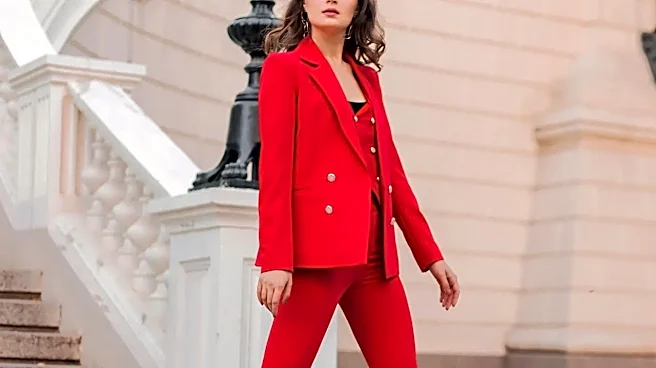
Turn the challenging color into a deliberate style choice by making it the single 'pop' in an otherwise neutral outfit. Build a clean, simple look with basics you love—like black jeans, a white tstshirt, and a denim jacket—and then add one piece in the team color. A bright green hoodie under a black blazer or a pair of bold red pants with a simple gray sweater can look chic and intentional. By surrounding the color with a sea of black, white, gray, or beige, you frame it, control it, and make it clear that you're wearing the color, not the other way around.
5. Look for Patterns and Prints
A solid block of a difficult color can be tough to pull off. A print that incorporates that color is much more forgiving. Look for plaids, stripes, or floral patterns where the offending color is just one part of a larger, more balanced design. A flannel shirt that has streaks of your team's yellow, or a scarf with a pattern that includes their shade of purple, breaks up the color and makes it easier on the eyes. This allows you to wear the hue in a way that feels more integrated and less like a costume piece.
6. Go Monochromatic in a Different Shade
This is a more advanced style move, but it can be highly effective. If your team's color is a specific, unflattering shade of blue, for instance, try wearing a full outfit in a more flattering shade of blue, like navy or powder blue. This is known as a monochromatic look. You are still operating in the team's color family, creating a sophisticated and spirited look that is entirely on your terms. Then, you can add a small accessory, like a pin or hat, in the team's official shade as a final touch. It’s a way of saying, 'I’m on theme, but I’m doing it my way'.