



The Soul of a Savile Row Suit
Before you can understand the rebellion, you have to understand the institution. A true Savile Row suit is the antithesis of fast fashion. It starts not with a rack, but with a conversation. The term "bespoke" originated on the Row, from the phrase "to
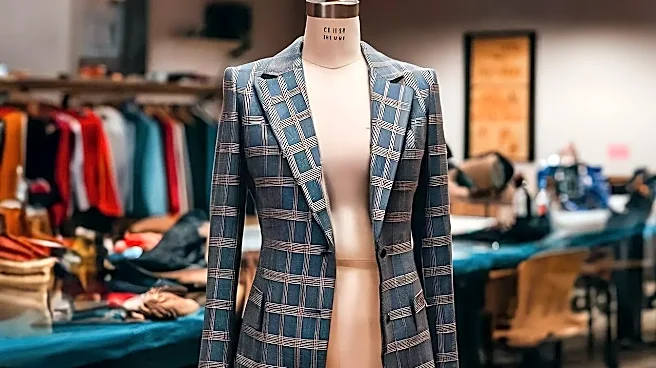
have been spoken for." It means a garment is created from scratch for a single individual. A tailor takes dozens of measurements to draft a unique paper pattern, which serves as a blueprint for that client alone. The process involves over 50 hours of handwork, from hand-canvassed jacket fronts that create structure to hand-sewn buttonholes and sleeves. This meticulous construction, using natural fibers designed for longevity, results in a garment intended to fit perfectly and last for decades. It’s a world built on precision, structure, and an unwavering respect for craft.
A Quiet Revolution in Womenswear
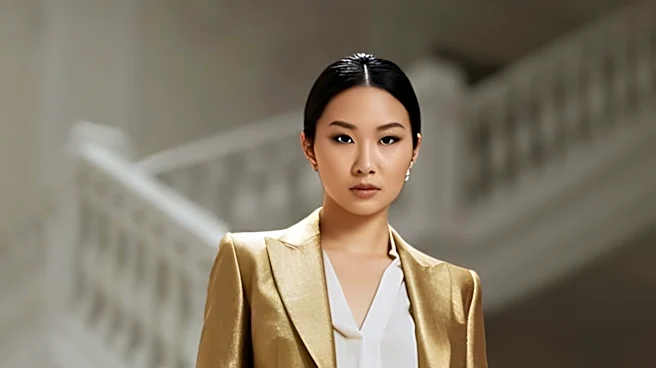
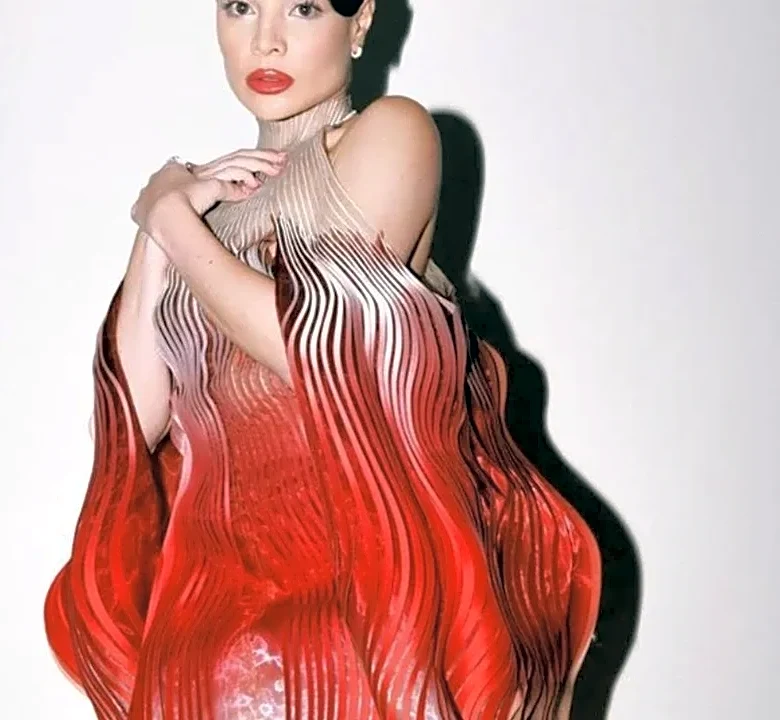
For decades, women's suiting often meant simply scaling down a man's pattern. But a new wave of designers is looking past the finished product to the process itself. They aren’t just making suits for women; they are applying the principles of bespoke tailoring to a much broader, more experimental vision of womenswear. Houses like Knatchbull and Banshee of Savile Row are among those leading the charge, establishing the first women's-only tailoring ateliers on the famous street. Their approach is rooted in the belief that women deserve the same level of customization and craftsmanship that has long been afforded to men. This shift is not just about suiting; it's about using the core tenets of tailoring—structure, fit, and form—to create everything from powerful coats and sculpted dresses to avant-garde silhouettes that challenge convention.
Deconstructing Tradition for a New Form
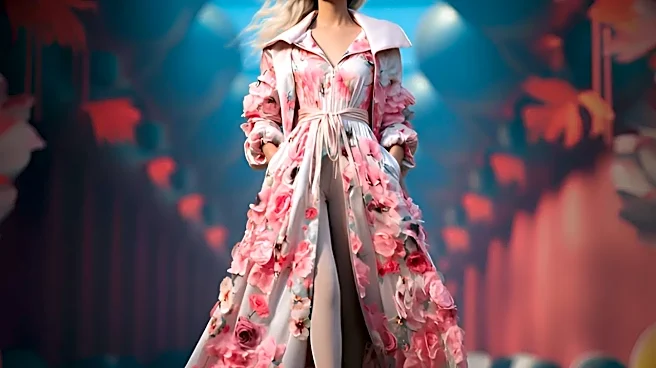
The magic is in the application. Experimental designers aren't just copying Savile Row; they're dissecting it. They might take the robust, hand-padded shoulder of a traditional blazer and place it on a deconstructed dress, creating a powerful, unexpected silhouette. Or they'll use the internal canvassing—layers of horsehair and wool that give a jacket its shape—to build structure into a garment that has no traditional form at all. The focus shifts from merely creating a masculine shape for a female body to using the tools of tailoring to sculpt, drape, and innovate. It’s a dialogue between the rigid precision of the past and the fluid, expressive needs of contemporary womenswear. For some, like the label Clothsurgeon, this even means applying bespoke rigor to streetwear, crafting luxury hoodies and bomber jackets with the same attention to detail as a three-piece suit.
Why Now? The Appeal of Substance Over Style
The rise of this trend speaks to a broader cultural shift. In a world saturated with disposable fashion, there is a growing hunger for permanence, quality, and authenticity. A garment built with Savile Row techniques is an investment, a piece with integrity stitched into its very seams. This appeal is twofold. First, it redefines power dressing. While the 1980s power suit was about adopting a male uniform to compete in a man's world, today's tailored womenswear is about creating a new language of power—one that celebrates the female form through impeccable construction. Second, it’s a form of rebellion. By taking the most traditional techniques from menswear and using them for radical creation, these designers are making a statement: that craft has no gender, and the future of fashion may well be found by looking to its past.