

More Than a Throwback
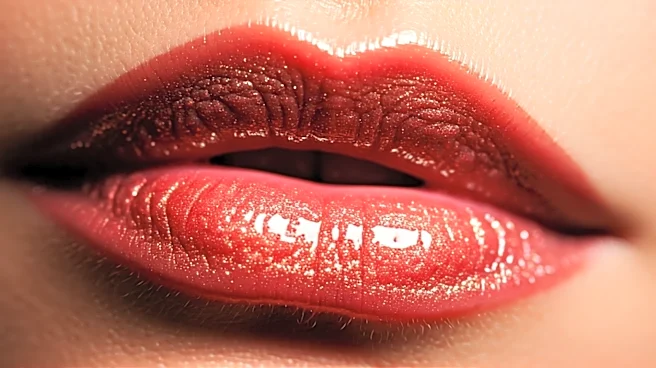
First, let’s get the obvious out of the way. Yes, the late ‘90s and early 2000s are back in a big way. Low-rise jeans, butterfly clips, and yes, sticky, shimmering lip gloss have all made a cyclical return. On the surface, the parade of glassy pouts on the AMA red carpet looks like a simple nod to that era. We see a star with a high-shine lip and think of Britney Spears or Jennifer Lopez in their pop-stardom ascendancy. But reducing this trend to mere nostalgia misses the sophisticated calculation at play. While the aesthetic is familiar, the motivation has evolved. This isn’t just about looking cool for the red carpet photographers; it’s about controlling how a celebrity looks to millions of people watching at home, in razor-sharp high definition.
The Challenge of High-Definition TV
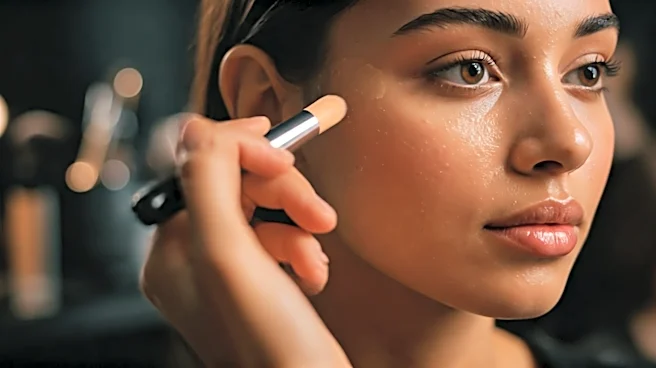
To understand the glossy lip, you have to understand the modern camera. For years, the default for red carpet and on-screen makeup has been intensely matte. Why? The rise of HD, and now 4K, broadcasting. These cameras are brutally honest, capturing every pore, fine line, and imperfection with merciless clarity. Early on, the industry’s solution was to blot out all light and texture. Matte foundations, powders, and lipsticks created a smooth, non-reflective canvas that was easier for lighting directors to manage. A matte face doesn’t create unpredictable “hot spots” or glare. It was a safe, reliable, but ultimately flat and sometimes lifeless look. The goal was damage control, not dynamic beauty.
Lip Gloss as a Lighting Tool
So, what changed? Makeup artists and lighting designers got smarter and more collaborative. Instead of fighting light, they began to harness it. A precisely applied layer of high-shine gloss isn’t just a finishing touch; it’s a tiny, portable key light for the face. When a performer is on stage or speaking to a camera, the glossy surface of their lips catches the overhead lights. This creates a focal point of brightness right in the center of the face. It draws the viewer’s eye, makes the face appear more dimensional and sculpted, and subtly illuminates the surrounding features. It’s a trick that makes the entire face feel more alive and radiant on screen. The gloss acts as a miniature reflector board, bouncing light back into the camera and creating a look of intentional, curated dewiness that matte makeup simply can't replicate. It’s the difference between a photograph and a moving picture.
The 'Wet Look' Ecosystem
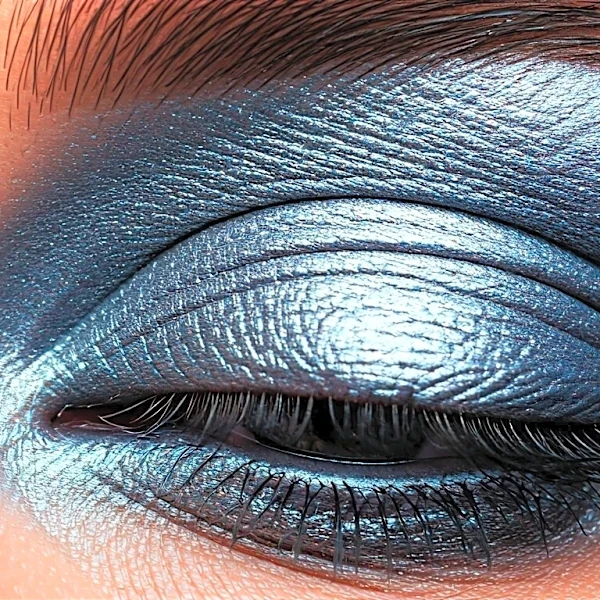
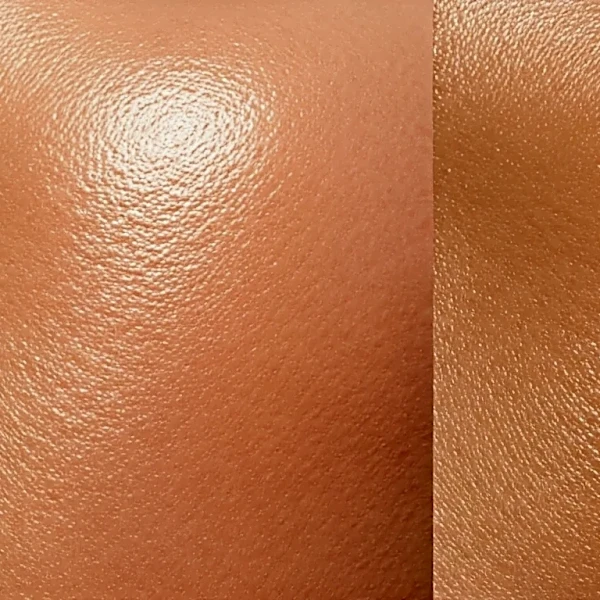
This strategy extends far beyond the lips. It’s part of a larger aesthetic often called the “wet look” or “glass skin.” You see it in the dewy sheen on cheekbones (a technique called strobing), the slicked-back “glass hair” that reflects light in a perfect sheet, and even the subtle shimmer applied to collarbones and shoulders. Each element is designed to interact with professional lighting. Together, they create an ecosystem of reflectivity that makes a person appear luminous, healthy, and almost hyper-real under the intense scrutiny of broadcast cameras. The lip gloss isn’t an isolated choice; it’s the anchor of a full-body lighting philosophy. It signals to the audience a sense of effortless radiance, but in reality, it’s a meticulously engineered optical illusion, perfected by a team of experts before the star ever steps out of the limo.