


Power Isn't Fire, It's Perception
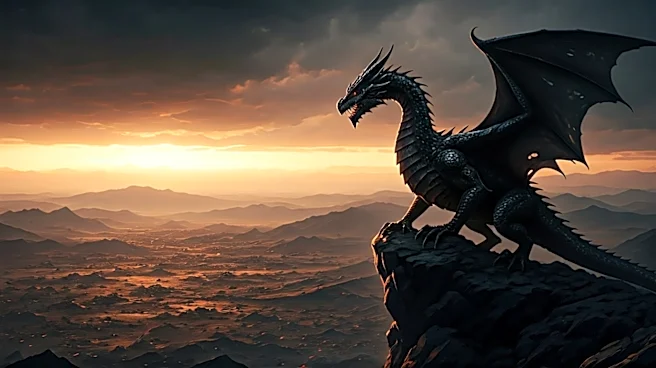
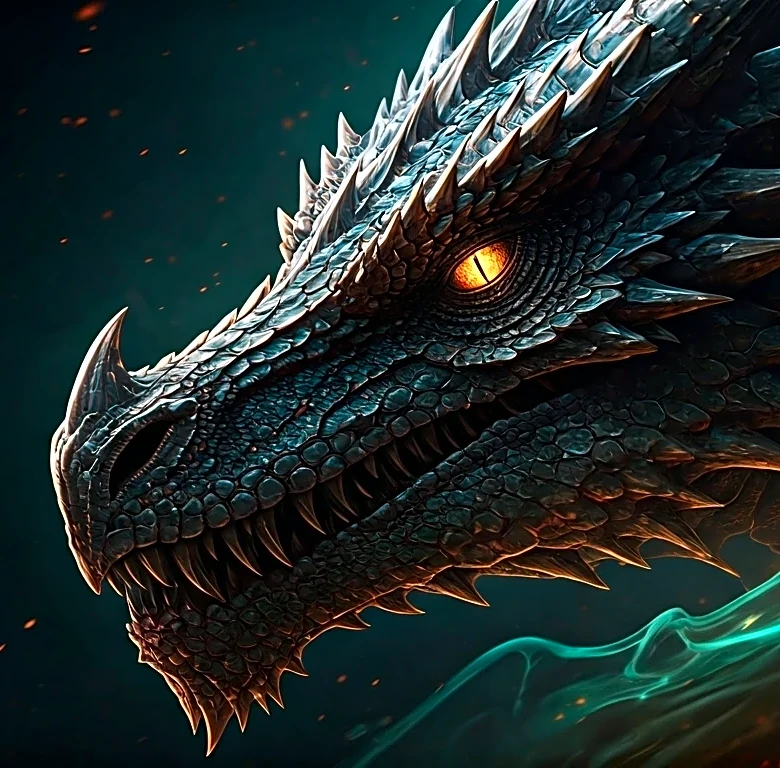
We think of dragons as the ultimate weapon, a living, breathing flamethrower that can melt castles and incinerate armies. And while that’s true, their primary function in the Targaryen dynasty isn’t warfare—it’s preventing it. For over a century, the family’s
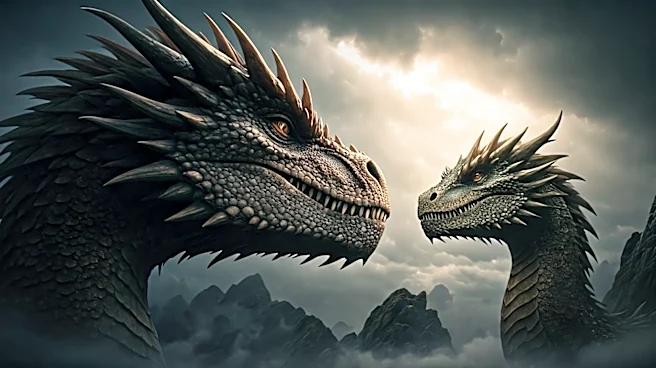
monopoly on these creatures served as the world’s most effective peace treaty. No lord, no matter how ambitious, would dare challenge a throne guarded by a dozen dragons. They are not just assets; they are symbols of divine right and Targaryen exceptionalism, woven into the very fabric of their legitimacy. Owning a dragon isn’t just about having a powerful pet; it’s a declaration that you are closer to a god than a man. This perception is the bedrock of Targaryen power, a psychological advantage that makes their rule seem inevitable and absolute.
The Targaryen Nuclear Deterrent
The tense peace under King Viserys is best understood as a form of nuclear deterrence. In this analogy, each dragon is a warhead. As long as one family controls all of them, the realm is stable. The dragons are rarely used in anger because the threat of their use is enough. This is the core of Viserys’s entire reign: a desperate attempt to keep the family’s “nukes” from being aimed at each other. He knows that the moment Targaryens use dragons to fight Targaryens, the magic is broken. The family’s power, once seen as absolute, would be revealed as fragile, capable of destroying itself. The Dance of the Dragons isn't just a civil war; it's a breakdown of mutually assured destruction. The “secret weapon” is the shared understanding that to unleash this power is to ensure your own ruin. The whole game is to make your opponent back down without ever having to launch.
Counting Dragons: The Strategic Imbalance
When the conflict between the Greens (Alicent’s faction) and the Blacks (Rhaenyra’s faction) finally ignites, the first order of business isn’t raising armies—it’s counting dragons. This is where the pre-war strategy becomes explicit. The Greens have a massive tactical advantage in Vhagar, the oldest and largest dragon in the world. Ridden by the volatile Aemond Targaryen, she is a singular superweapon. But the Blacks have the strategic advantage: numbers. They control more dragons overall, including experienced beasts like Caraxes and Meleys. Prince Daemon Targaryen’s entire strategy revolves around this fact. His missions to secure alliances and awaken riderless dragons on Dragonstone are about leveraging this numbers game. He understands that one super-dragon, while terrifying, can be overwhelmed. The war’s opening moves are a cold calculus of assets, a grim accounting that determines who has the confidence to strike and who must defend.
When Deterrence Fails: The Storm's End Disaster
The entire concept of draconic deterrence shatters in the skies above Storm’s End. The confrontation between Lucerys Velaryon on his small dragon, Arrax, and Aemond on the colossal Vhagar is the point of no return. It’s not a formal battle; it’s a catastrophic miscalculation. Aemond, seeking to terrorize his young nephew, loses control of his own weapon. The resulting death of Lucerys and Arrax isn’t just a tragedy; it’s the moment the cold war turns hot. It proves that the deterrent is only as reliable as the people controlling it. The “battle” was lost for the Greens the second Aemond chose to engage. He may have won the physical skirmish, but he lost the war of restraint, making a peaceful resolution impossible and guaranteeing a cycle of bloody revenge. From that moment on, the dragons are no longer just symbols of power; they are active weapons in a war that will consume them all.