




Beyond the Jump Scare
When we think of horror movie sound, our minds often jump to the obvious: the piercing violin screech, the bloodcurdling scream, or the sudden, deafening bang of a jump scare. But the true masters of horror know that the most profound terror isn’t found in the loud
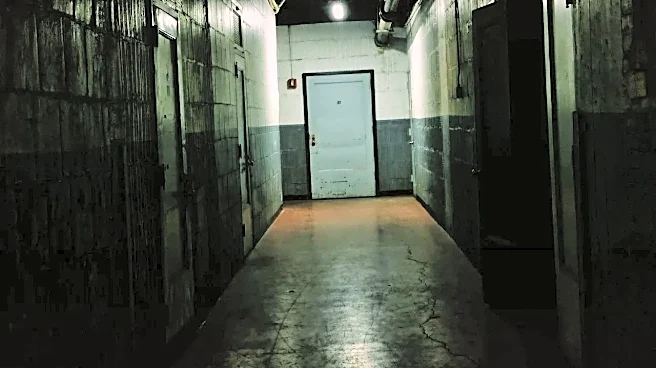
noises, but in the oppressive quiet that comes before them. An empty hallway scene is the perfect canvas for this. Visually, it’s just a corridor. Aurally, it’s a minefield of psychological triggers. Sound designers don't just fill this space; they weaponize the emptiness, using subtle cues to prey on our most primal instincts. The goal is to create a sustained feeling of dread, turning a simple architectural feature into a passage of pure anxiety.
The Unheard Hum of Dread
The biggest secret to this effect is a phenomenon called infrasound. This is sound at a frequency below 20 hertz, which is lower than the average threshold of human hearing. You can't consciously hear it, but your body can feel it as a vibration. In nature, infrasound is produced by things like earthquakes, volcanoes, and avalanches—events that signal immense danger. Our brains are hardwired to react to these low-frequency rumbles with a sense of unease and high alert. Horror sound designers exploit this built-in survival instinct. By weaving an infrasonic hum into the soundtrack of a seemingly silent scene, they can induce feelings of anxiety, paranoia, and even nausea in the audience, all without a single audible cue. Your body is screaming “danger,” even when your ears tell you nothing is there.
Making Emptiness Feel Occupied
Once the foundation of infrasonic dread is laid, sound designers layer in subtle, diegetic sounds—noises that exist within the world of the film. This isn’t about being loud; it’s about being unsettlingly specific. Think of the faint, almost imperceptible creak of a floorboard, the whisper of air through a vent, or the low drone of a distant appliance. These sounds suggest presence. They give the empty space a sense of life, implying that something unseen is breathing just beyond the frame. This technique, sometimes called "worldizing," involves making sounds feel like they belong to a specific physical space. It tricks our brains into building a world that feels real and, in the context of a horror film, palpably unsafe. The silence isn’t truly silent; it’s filled with tiny, menacing details that force your imagination to run wild.
The Power of Negative Space
Just as important as the sounds that are added is the sound that is taken away. Sound designers refer to the intentional use of silence as "negative space." In a world saturated with noise, a sudden drop into near-total silence can be incredibly jarring. It heightens our awareness and forces us to lean in, straining to hear what might come next. In a hallway scene, the character might stop walking, and all ambient noise—the hum of lights, the sound of their own breathing—fades out. This void creates a powerful sense of anticipation. It’s the sonic equivalent of holding your breath. Your brain knows the silence is about to be broken, and that anticipation is often more terrifying than the jump scare that inevitably follows. It's not the bang that terrifies, but the dreadful wait for it.