




A Practically Perfect Production
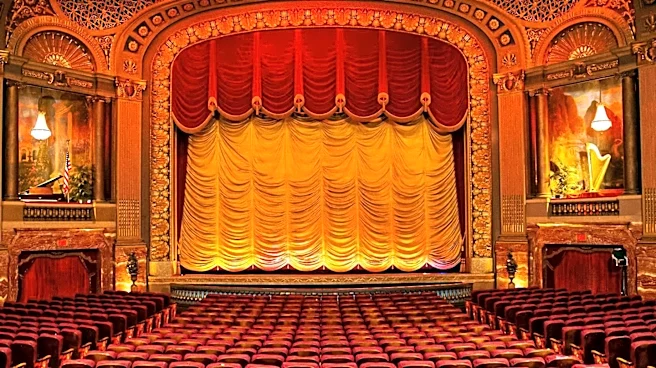
In the fall of 2006, the buzz around Broadway was all about one name: Mary Poppins. A theatrical juggernaut co-produced by Disney Theatrical Productions and legendary producer Cameron Mackintosh, the show was a fusion of P.L. Travers' original books and the cherished
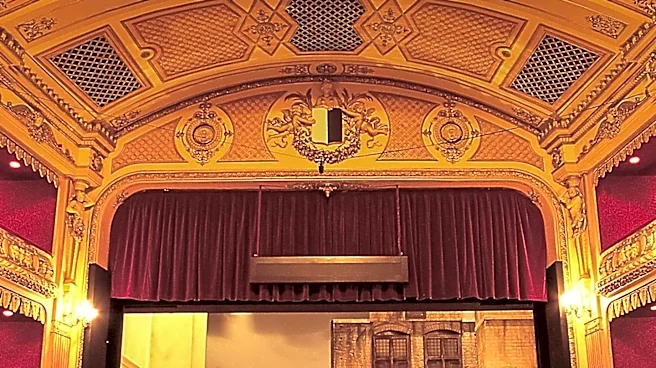
1964 Disney film. It had already been a smash hit in London, and its transfer to New York's historic New Amsterdam Theatre was the event of the season. The production starred Ashley Brown as the titular nanny and Gavin Lee, reprising his Olivier-nominated role as the charming chimney sweep Bert. With a score blending classic Sherman Brothers songs with new material, and a creative team at the top of their game, everything pointed to a monster hit. The expectation wasn't just for a good show, but for a practically perfect one that would run for years.
The Million-Dollar Problem Child
At the heart of the production's magic was an extraordinary, multi-story set piece: the Banks family house at 17 Cherry Tree Lane. Far from a simple backdrop, the house was a massive, dollhouse-like structure weighing several tons, designed to move, rotate, and open up to reveal different rooms. This complex piece of machinery, estimated to have cost around a million dollars, was central to the show's flow and spectacle. It needed to glide seamlessly on and off stage throughout the performance, transforming from a stately London home into the whimsical settings of Mary's adventures. The entire rhythm of the show depended on this piece of high-tech stagecraft working flawlessly, night after night. During the crucial preview period, however, it proved to be a temperamental star in its own right.
The Night the Magic Failed
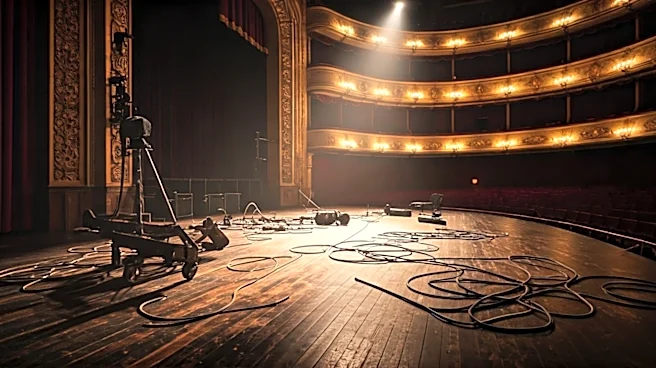
While the official opening night was November 16, 2006, the real drama happened weeks earlier, during a preview performance on October 25. A few minutes into the second act, the unthinkable occurred: the massive Banks house came off its tracks, grinding the show to a halt. This wasn't a minor glitch. Backstage, crews scrambled to solve the problem as the audience waited. After a tense 30-minute delay, Disney Theatricals president Tom Schumacher had to walk on stage and deliver the news every producer dreads: the performance was canceled. In a twist of fate that Schumacher noted “may be one for the record books,” the London production of Mary Poppins was also forced to cancel its show that very same night due to a burst sprinkler system. For one night, it seemed a dark cloud had settled over Cherry Tree Lane on both sides of the Atlantic.
From Crisis to Triumph
Canceling a Broadway preview is a costly and demoralizing affair, with reports suggesting the single canceled show cost the production around $150,000 in refunds and exchanges. More importantly, it was a sign of a critical failure that could jeopardize the entire opening schedule. The incident wasn't even the first; the set had also stalled during the very first preview performance. But in a classic tale of Broadway resilience, the crew worked tirelessly to resolve the complex mechanical issues. The show did go on. The following day's performance went ahead without a hitch, and the team managed to tame the massive set. When Mary Poppins officially opened on November 16, it was met with praise for its technical wizardry. In a final, triumphant irony, the production would go on to win the 2007 Tony Award for Best Scenic Design, turning its biggest pre-show headache into one of its most celebrated achievements.