

The Key Players in the Jewelry Game
The journey of a million-dollar necklace to the red carpet is a team sport involving three key players: the celebrity's stylist, the jewelry house, and the celebrity themselves. Months before the big night, stylists begin working with major jewelry brands
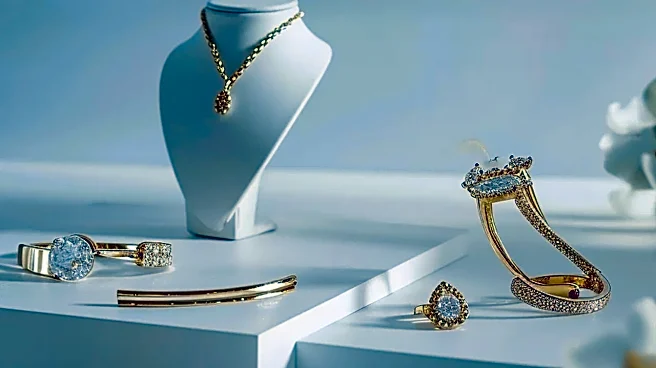
like Chopard, Cartier, and Tiffany & Co. These brands have dedicated VIP and public relations teams whose entire job is to get their most spectacular pieces onto the right celebrity. The process starts with the stylist, who has a vision for their client's total look, often beginning with the gown. They reach out to the jewelry houses with a concept, and in return, the brands present lookbooks of available high-jewelry collections—pieces often created specifically for the awards season.
The Art of the 'Pull'
Once a dress is chosen, the real selection process begins. Stylists will call in—or "pull"—a curated selection of pieces from various brands for their client to try on. This isn't just a casual fitting; it’s a highly competitive moment where brands vie for a coveted spot on an A-list nominee. For a single gown, a stylist might consider four to six different jewelry looks, weighing how a necklace or earring will photograph under the harsh red carpet lights. The celebrity and stylist work together to finalize the selections in fittings that include full hair and makeup to see the complete, flawless look in advance. Sometimes, a brand might even have a say in the gown's neckline to better showcase a particular necklace.
A High-Stakes Transaction
Contrary to what some might think, these jewels are almost always on loan. However, it’s not always a free exchange. For top-tier stars, jewelry brands may pay a hefty placement fee, which can reach six figures, for the celebrity to wear their pieces. In these cases, stylists can earn a 10-20% commission on the deal. For other celebrities, the payment is the loan itself—the honor of wearing a multi-million dollar piece of art. Long-standing brand ambassadors, however, operate under multi-year contracts that can be worth seven figures. These agreements come with strict rules; a brand ambassador caught wearing a competitor's watch, for instance, could face a lawsuit for breach of contract.
Security, Insurance, and Armored Guards
Moving millions of dollars in gems around Los Angeles requires a security operation worthy of a spy thriller. While some major jewelry houses insure their pieces under a master "jewelers block" policy, the financial responsibility often transfers to the celebrity once the items are in their possession. The star must either have a sufficient personal policy or sign an agreement assuming liability for loss, damage, or theft. On the day of the event, the logistics are intense. The jewelry may be delivered via armored truck, and security guards often accompany the pieces to the celebrity's home or hotel. In some cases, a security detail will stay with the talent all night, shadowing them from the red carpet to the after-parties to ensure the jewelry's safety.
The Payoff and the Morning After
For the jewelry brands, the payoff is immense. A single, stunning red carpet moment can generate millions in media value, drive trends, and lead to an immediate spike in sales. When a host asks, "Who are you wearing?" and a star names the jeweler, it’s live, aspirational advertising at its most effective. The exposure on television and social media turns the piece into an instant icon. But the magic is fleeting. At the end of the night, the fairytale ends. The jewelry is carefully handed back to the celebrity's security detail, who then liaises with the jeweler's security team to ensure its safe return. The pieces are logged, inspected, and returned to the vault, their brief, brilliant public life complete.