



The Challenge of Believable Texture
In animation, texture is what separates a flat cartoon from a world that feels real and lived-in. For Moana, a story grounded in the natural world of the Pacific Islands, getting the textures right was paramount. Animators focused on details that audiences
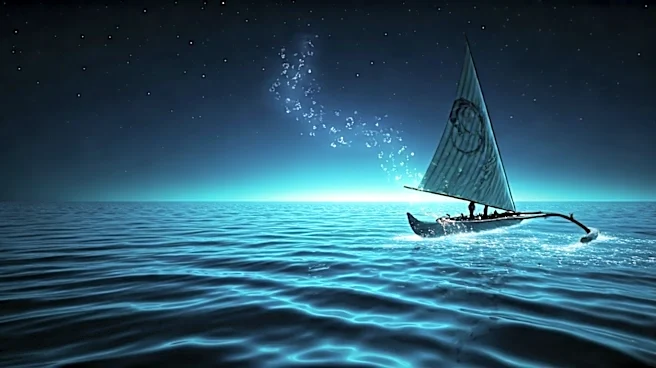
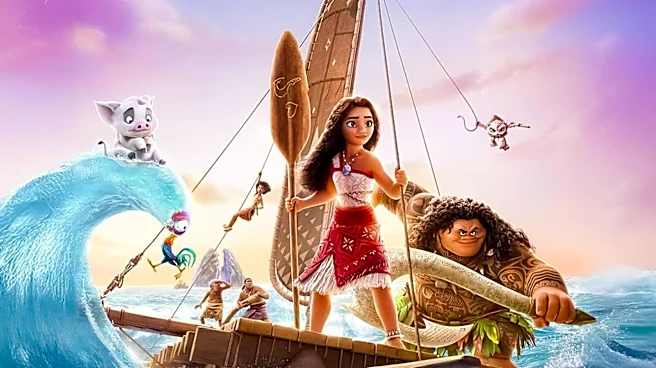
feel intuitively: the way wet sand clings differently than dry sand, the rough texture of volcanic rock, the fibrous quality of woven sails and tapa cloth, and, most famously, the characters' hair. Moana and Maui’s long, curly hair was a massive technical hurdle. Historically, complex hair that interacts with wind, water, and movement has been notoriously difficult for computer generation. Disney developed a new hair simulation system, called Quicksilver, just for the film, allowing animators more control to make the hair a part of the characters' performance, not just a static element. This attention to detail extended to everything from the more than 60 species of vegetation to the specific materials like mulberry tree bark used for clothing. It all works to create a tactile environment that makes the fantasy elements of the story feel more believable.
Making Water a Main Character
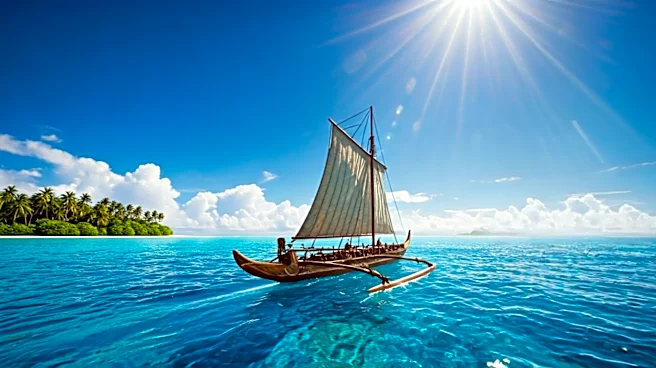
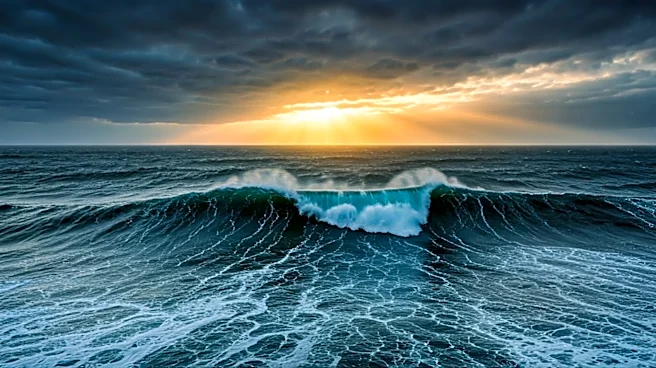
Water is present in nearly every frame of Moana, but it’s much more than a backdrop; it’s a character with a personality, a will, and a crucial role in the story. This presented a dual challenge for the effects team: they had to create a realistic ocean, with all its moods, while also animating a sentient water-tendril that could gently interact with a toddler or angrily toss a boat. A typical Disney film might have a few dozen water shots; Moana has hundreds. To manage this, the studio created a new program called Splash, which used billions of particles to simulate the physics of water in different scenarios, from calm shorelines to massive storm waves. Animating the ocean character was a collaboration between character animators, who used a simple rig like a “sock puppet” to block out the performance, and the effects team, who then layered on the complex simulations to make it look and feel like actual water, complete with bubbles and foam. Animators even studied water inside Ziploc bags to perfect the look. The result is an ocean that feels both physically real and emotionally alive, guiding and protecting Moana on her journey.
Animating Myth and Honoring Culture
Beyond the natural world, Moana’s design had to bring mythology to life. This meant translating oral traditions and cultural concepts into compelling visuals. The most prominent example is “Mini Maui,” the sentient tattoo who acts as the demigod's conscience and cheerleader. To achieve this, the studio blended animation styles: legendary 2D animator Eric Goldberg (known for the Genie in Aladdin) hand-drew Mini Maui, whose movements were then mapped onto the 3D computer-generated body of the larger Maui. It was a unique collision of old and new animation techniques, allowing the two Mauis to interact. The film's other mythical figures, like the fearsome lava monster Te Kā and the life-giving island goddess Te Fiti, were also massive design challenges. To ensure these depictions, along with the film's broader story, were culturally respectful, Disney established an “Oceanic Story Trust.” This group of experts from across the Pacific Islands consulted on everything from character design—convincing the studio to give Maui long hair, which symbolizes power or 'mana' in Polynesian culture—to the details of traditional clothing and storytelling. This commitment ensured the myths in Moana felt both spectacular and authentic.