
The Psychology of 'Get It Before It's Gone'
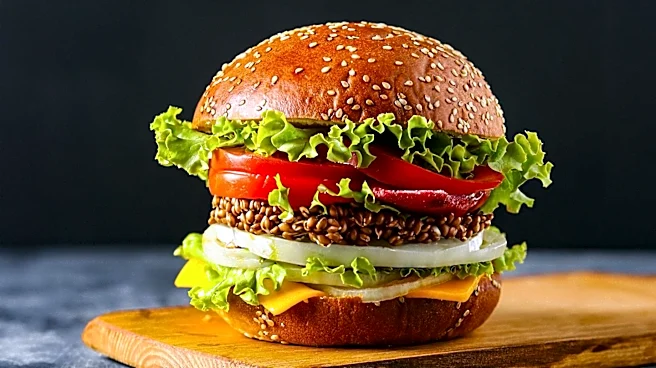
At its heart, scarcity taps into a fundamental human bias: we value things more when we think they're in short supply. Psychologists call this the scarcity principle. When a restaurant offers a “limited-time” dish, our brains instinctively perceive it as more desirable.
This triggers a fear of missing out, or FOMO, a powerful emotional shortcut that encourages us to make a decision quickly. It’s not just about the food itself; it's about the fleeting opportunity. Neurological studies have even shown that scarcity can heighten activity in the brain's reward centers, making the choice to order that special feel as exciting as winning a small prize. The perception of rarity implies exclusivity and quality, suggesting that if it's hard to get, it must be good.
The Authentic Scarcity Playbook
The key to using scarcity without alienating customers is authenticity. The most successful examples are rooted in genuine limitations, not manufactured pressure. The clearest case is the seasonal menu. A summer menu featuring fresh tomatoes and berries or a winter menu with hearty root vegetables feels natural because it’s tied to the reality of agriculture. Customers understand that a perfect peach cobbler isn't available year-round. Similarly, a “chef’s special” often relies on a small quantity of a unique, high-quality ingredient the kitchen acquired, making its limited availability an honest constraint. Craft breweries excel at this with small-batch releases. This approach also has operational benefits, as focusing on fewer, in-season ingredients can reduce food waste and lower costs. The story behind the scarcity—be it seasonality, craft, or a special purchase—is what makes it feel like an exciting opportunity rather than a sales gimmick.
When Urgency Feels Like a Trap
Customers are smart, and they can spot fake scarcity from a mile away. The strategy becomes manipulative when the limitation feels arbitrary or dishonest. Think of a digital menu with a countdown timer for a discount on a standard item that’s clearly always available. Overusing phrases like “limited time only” for permanent menu fixtures can erode trust and create cynicism. If a restaurant claims a dish is almost gone every single night, regulars will quickly catch on. The problem arises when the scarcity is just a sales tactic with no real-world basis. This creates high-pressure decision-making that can lead to buyer's remorse and a feeling of being tricked, which damages long-term customer loyalty. Authenticity is the antidote; the urgency should come from a believable story, not just a blinking sign.
Beyond the Menu: Scarcity Everywhere
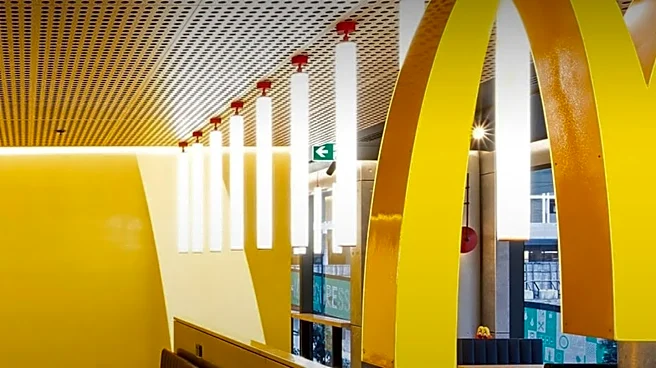
This principle isn't confined to restaurants. The same psychology drives demand for a wide range of products. McDonald's has famously mastered this with the McRib, a sandwich whose periodic return sparks a frenzy precisely because it's not a permanent item. The fashion industry thrives on limited-edition sneaker drops and seasonal collections, turning a simple purchase into a cultural event. In the digital world, time-sensitive flash sales or offers for the “first 100 customers” use the same triggers. In every case, the most successful and respected brands tie the scarcity to something tangible: a season, a collaboration, a specific production run, or an anniversary. This reinforces the idea that the limitation is genuine, making the offer feel special and worth pursuing.