






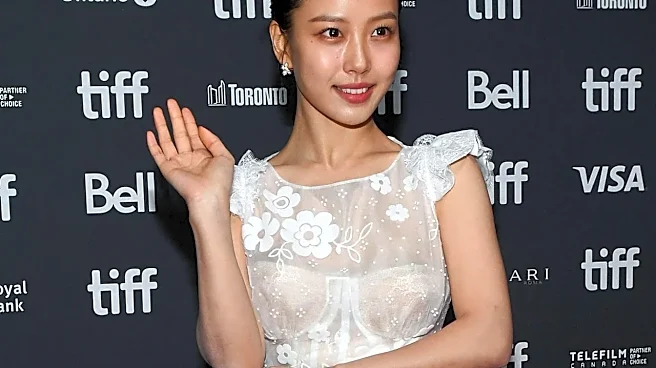
The Shifting Meaning of a Red Carpet Moment
Red carpet fashion has never been just about pretty dresses. It’s a snapshot of culture, a reflection of how we view celebrity, and a dialogue between the star and the audience. But that dialogue changes because the audience itself changes. The values
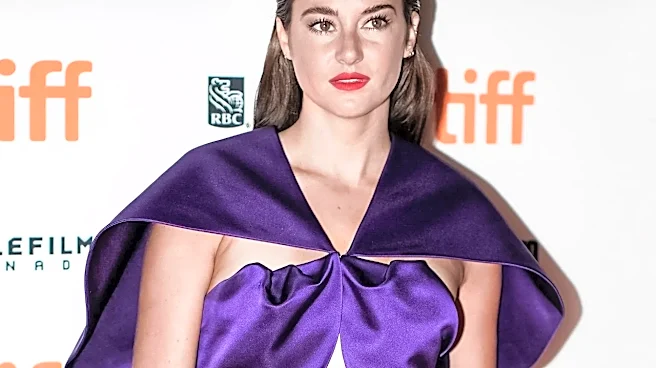
and visual language of a Gen Xer who grew up with 90s minimalism are fundamentally different from those of a Gen Zer fluent in TikTok aesthetics and irony. TIFF, often seen as a more relaxed sibling to the high-stakes glamour of the Oscars, offers a fascinating history of these shifts. Its archives are filled with looks that land very differently depending on whether you came of age with grunge, fashion blogs, or algorithm-driven trends.
Gen X: The Era of 'Effortless' and Anti-Glamour
For those in Gen X (born 1965-1980), authenticity often trumped polish. This was the generation of grunge, of anti-fashion statements, and of stars who projected an attitude of being above the Hollywood machine. A vintage look from the 90s, like a simple slip dress or even a star in jeans and a leather jacket, is often read by this group as classic, cool, and effortless. The focus was on the person, not the production. To a Gen X eye, a perfectly tailored but unassuming suit on an actor signaled confidence. They appreciate timeless, quality pieces and may view the highly orchestrated, brand-driven looks of today as trying too hard. The idea wasn't to create a viral "moment" but to simply show up looking like a cooler version of yourself.
Millennials: The Rise of Polish and the 'It' Look
Millennials (born 1981-1996) grew up alongside the internet, fashion blogs, and TV shows where style was a main character. This generation professionalized the red carpet. They learned to value the power of a perfectly orchestrated "look”—the right dress, the right stylist, the right pose. To a Millennial, a classic 90s look might be revered for its minimalism, but the chaotic, low-rise-jeans-and-going-out-top aesthetic of the early 2000s is often viewed with a knowing, nostalgic cringe. They appreciate a polished, well-put-together ensemble and are more likely to see fashion as a form of self-expression that should still feel aspirational and intentional.
Gen Z: Irony, Authenticity, and the Digital Narrative
Enter Gen Z (born 1997-2012), the digital natives who consume and interpret fashion through the lens of social media platforms like TikTok. For them, the context and story behind an outfit are often as important as the look itself. A vintage piece isn't just a nod to the past; it's a statement about sustainability, a rejection of fast fashion, and a chance to build a unique identity. They are masters of irony, capable of reviving a Y2K trend that Millennials find mortifying and declaring it chic. Unlike previous generations, Gen Z's search for uniqueness is a primary driver, making true vintage appealing because it ensures they won't be wearing what everyone else is. A look is judged on its narrative power, its potential for a viral video, and its perceived authenticity, making their interpretation of past styles the most fluid and unpredictable of all.