
The Art of the Real
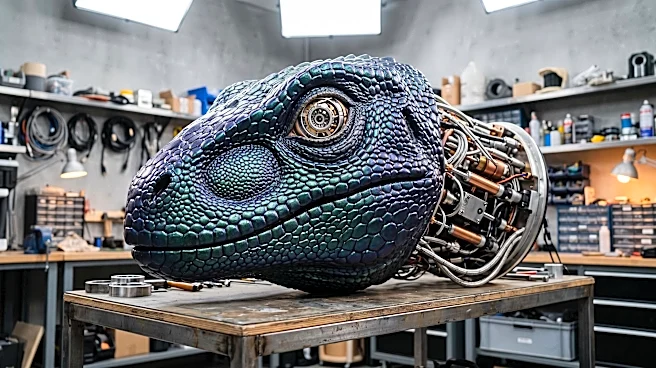
Before digital artists could conjure monsters from pixels, horror was a hands-on craft. Practical effects—also known as special effects or SFX—are anything physically created and filmed on set. This includes
the intricate puppetry of a Xenomorph, the mind-bending prosthetics of a werewolf transformation, or the gooey, gory animatronics of a creature feature. These are effects with weight, texture, and presence. They occupy physical space, interact with light and gravity, and, most importantly, give actors something tangible to react to. When an actor stares at a fully realized monster instead of a green tennis ball on a stick, their fear is more genuine, and the audience feels it.
Our Enduring Love for the Tangible
In an era saturated with computer-generated imagery (CGI), the appeal of practical effects has only grown stronger. While CGI can create limitless worlds, it often lacks the visceral, unsettling quality of a physical creation. There's a psychological weight to practical effects; our brains recognize them, on some level, as real. The groundbreaking, flesh-stretching transformation in An American Werewolf in London (1981) remains horrifying because you can almost feel the pull and tear of sinew. Rob Bottin’s grotesque, shape-shifting creature in John Carpenter's The Thing (1982) still inspires revulsion and awe because of its sheer, gooey inventiveness—a chaotic masterpiece of latex and imagination. These moments linger because they feel unnervingly authentic, a quality that can get lost in the digital polish of modern effects.
The October Horror Revival
Enter the repertory cinemas and special theatrical events that flourish every October. Arthouse theaters and even major chains like Regal and AMC now dedicate the month to horror classics, understanding there's a fervent audience for them. Programs like Regal’s "31 Screams on Screen" feature classics known for their practical effects, such as The Thing and the 1988 remake of The Blob, curated by modern horror masters like Nia DaCosta and James Wan. These programmers aren't just picking popular titles; they are selecting films that showcase true artistry and have stood the test of time. For many younger fans, it's the first—and perhaps only—chance to see these films as they were meant to be seen: on a giant screen in a dark room.
More Than Just a Movie
Seeing a film like The Thing or The Fly (1986) with a crowd is a fundamentally different experience. The shared gasps, the nervous laughter, and the collective awe elevate the screening from a passive viewing into a communal event. Horror, more than any other genre, is amplified by the energy of the audience. The theater becomes a sanctuary where fans can celebrate the craftsmanship that went into these films. It’s a celebration of the passion and ingenuity required to make a monster by hand. This shared appreciation is crucial; it reinforces the cultural importance of these movies and ensures that the legacy of practical-effects artists like Tom Savini, Rick Baker, and Stan Winston continues to inspire new generations.