






From Vague Idea to Sharp Identity
Think of it as the difference between a costume and a character. A '70s person' is a vague concept, but a '70s punk' has a built-in narrative. Subcultures aren't just about clothes; they are ecosystems of music, beliefs, and aesthetics that grew in response
to the mainstream. When you dress as a punk, a goth, or a rockabilly fan, you're tapping into a rich history. The style choices—from torn shirts to specific jewelry—are codes that tell a story of rebellion, community, or artistic expression. This specificity is what makes a costume feel authentic and memorable. It’s a shortcut to an identity, complete with an attitude and a playlist, which is far more interesting than just wearing a pair of bell-bottoms and calling it a day.
The 1950s: Beyond the Poodle Skirt, Go Rockabilly
The default 50s costume is often a poodle skirt or a 'Greaser' leather jacket. But the Rockabilly subculture offers a sharper, more defined alternative. Emerging from early rock and roll, it blended country and R&B influences. For women, this means fitted dresses with full skirts (often held up by a petticoat), but with bold patterns like cherries, leopard print, or polka dots. High-waisted jeans, striped shirts, and bandanas also define the look, mixing pin-up elegance with casual workwear. For men, think tight jeans, plaid shirts, and leather jackets, with hair perfectly coiffed. It’s less about generic nostalgia and more about a rebellious, music-driven attitude.
The 1970s: Forget Disco, Try Punk
While disco gets all the glitter, the real story of 70s rebellion was punk. Born in the gritty clubs of New York and London, punk fashion was a DIY middle finger to the mainstream. The core elements were simple and aggressive: ripped jeans, leather jackets customized with studs or band logos, and band t-shirts. Safety pins weren't just for holding torn clothes together; they were jewelry. Tartan, fishnets, and combat boots rounded out the look. The aesthetic was about being provocative and rejecting polish, an ethos that feels much more intentional than a simple disco jumpsuit.
The 1980s: More Than Neon, There Was Goth
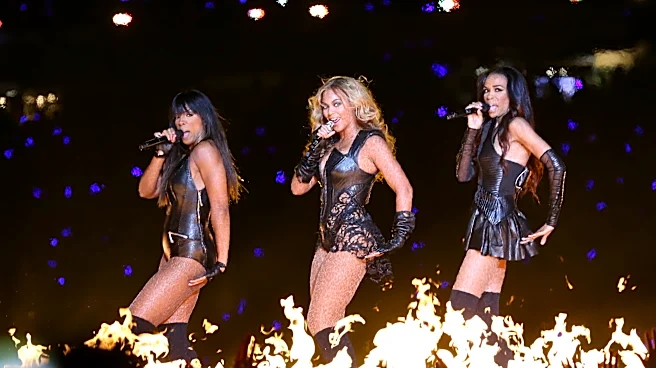
The 80s are remembered for neon spandex and big hair, but a darker, more romantic subculture thrived in the shadows. Goth emerged from the post-punk music scene in the late 70s and early 80s. The look was built on layers of black: leather, lace, and fishnets were staples. Makeup was essential, creating a dramatic contrast with pale skin, dark eyeliner, and black or deep red lipstick. Hair was teased and sprayed to defy gravity. It wasn't a costume for a night; for many, it was a daily uniform built on a shared love for bands like Bauhaus and Siouxsie and the Banshees, making it a powerful and atmospheric choice.
The 1990s: Skip Pop Princess, Embrace Grunge
While pop music dominated the charts, the 90s style with the most lasting impact came from the Pacific Northwest. Grunge was anti-fashion. It started as a sound and its aesthetic was born from practicality and a complete disinterest in looking polished or expensive. The key ingredients are easy to find, especially in a thrift store: oversized flannel shirts, faded band tees (think Nirvana or Pearl Jam), ripped straight-leg jeans, and heavy combat boots. Layering is crucial—a long-sleeve thermal under a band shirt, or a slip dress paired with chunky boots. The goal isn't to look messy, but to look effortlessly lived-in, channeling a rebellious spirit that a bright pop outfit can't match.