




Breaking the Unspoken Code
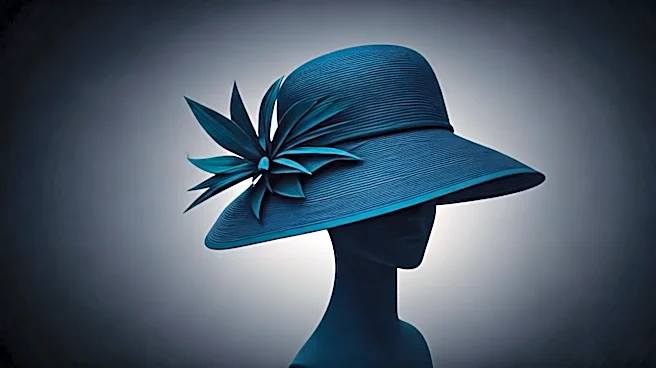
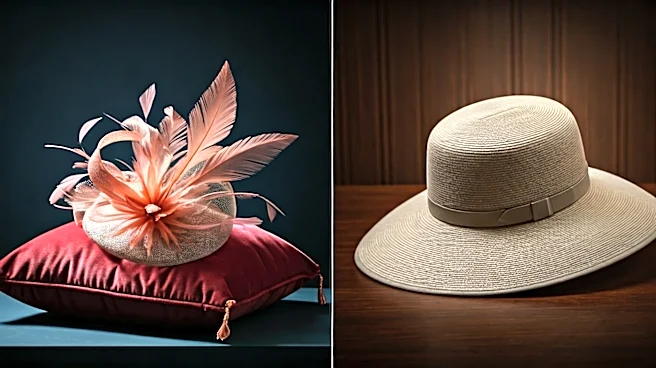
In modern American life, there's an unspoken dress code for public spaces: blend in. We opt for practical, comfortable, and, above all, unobtrusive attire. The goal is often to navigate the day without drawing too much attention. A dramatic hat doesn't
just ignore this code; it rips it up and scatters the pieces to the wind. It’s a deliberate choice to be seen. The person in the hat isn't just going from Point A to Point B; they are making the journey an event. This sartorial rebellion is the first thing we register. It’s a visual disruption in the best way, forcing us to look up from our phones and notice that someone is actively choosing joy and spectacle over invisibility.
A Faint Echo of a Bygone Era
There was a time, not so long ago, when leaving the house without a hat was akin to leaving without your shoes. For both men and women, hats were a standard, non-negotiable part of a complete outfit. They signified social standing, profession, and occasion. But after World War II, as society became more casual and car culture took hold (it’s hard to wear a fedora in a low-roofed sedan), hats faded from daily life into the realm of special occasions. Today’s dramatic hat-wearer, then, is channeling that history, but with a modern twist. They are not adhering to a forgotten rule of etiquette; they are borrowing the glamour and intention of that era to create a new statement entirely their own. It’s a nod to the past while being firmly planted in the present.
The Psychology of Taking Up Space
Wearing a dramatic hat is an exercise in pure confidence. It requires a certain level of self-possession to carry off a piece that announces your arrival before you do. Psychologically, it’s an act of claiming space. A wide brim or a tall crown physically enlarges your presence, creating a personal bubble of style that others must acknowledge. This isn't about aggression; it's about ownership. It says, “I am here, I am comfortable in my own skin, and I am not afraid to express the person I am today.” For the wearer, this can be a powerful form of 'enclothed cognition'—the idea that the clothes we wear can influence our own thought processes and behavior. Donning the hat becomes a self-fulfilling prophecy of boldness and creativity.
A Shield and a Signal
A hat is a fascinatingly contradictory accessory. While a dramatic one certainly attracts attention, it can also function as a form of armor. A wide, downturned brim can create a sense of privacy, shielding the wearer’s face and forcing onlookers to keep a slight distance. It’s a way to be publicly private, to be the main character in your own story without inviting direct interaction unless you initiate it. It’s also a powerful non-verbal signal. The hat can communicate a mood—playfulness, artistry, elegance, or mystique—without a single word being spoken. It’s a shortcut to personal branding, a visual summary of an attitude or an aesthetic. It tells the world that you believe style is a form of communication and you have something interesting to say.