




From Team Kits to Couture
Not long ago, attending a soccer match as a celebrity meant throwing on a team jersey and a baseball cap. It was a gesture of accessible, authentic fandom. But as the 2026 FIFA World Cup, hosted on American soil, captivates the nation, that standard has
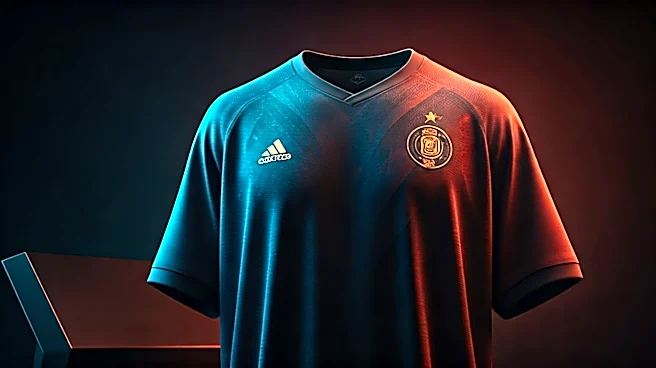
been completely rewritten. The VVIPs in attendance are swapping polyester replicas for custom Gucci suits, shimmering Stella McCartney gowns, and rare Chanel bags. Salma Hayek welcomed the world to Mexico in a red Gucci suit, while Katy Perry performed at the L.A. opening ceremony in a silver-tasseled dress. This isn't just dressing up for a game; it's a deliberate recalibration of what sideline style means. The humble team kit has been replaced by high fashion, signaling a fundamental shift in how American culture views the global sport.
The Sideline as the New Red Carpet
For decades, the most sought-after celebrity ticket in sports was courtside at an NBA game. That's where fashion, fame, and sport collided. The 2026 World Cup suggests soccer is finally achieving that same cultural cachet in the U.S. The celebrity attendance roster reads like a Hollywood party list: David and Victoria Beckham were spotted with Tom Cruise; Brad Pitt, Leonardo DiCaprio, and Paris Hilton have all been in the stands. Chloe Bailey made an appearance in a dramatic Emilio Pucci look, while Teyana Taylor and Halle Berry were also seen taking in the games. These aren't just passive spectators; they are active participants in a new cultural scene. The stadiums in Los Angeles, Vancouver, and Mexico City have become the latest backdrop for the see-and-be-seen, a red carpet laid on green turf.
The Business of Being Seen
This sartorial spectacle isn't just about individual expression—it's big business. When a celebrity appears in the stands, they are often a walking billboard for luxury brands eager to tap into a global audience of billions. Shakira opened the tournament in a custom neon Off-White outfit, Tyla performed in looks by Louis Vuitton, and K-Pop star Lisa wore a bespoke outfit by Zana Bayne. These are not coincidences; they are strategic partnerships. Even the players themselves are part of this economy, with the French national team arriving with an enviable collection of Hermès and Chanel bags. Brands understand that the cultural influence of a major sporting event like the World Cup is unparalleled, making every celebrity appearance a high-stakes marketing opportunity.
What It Means for American Soccer
So why does all this fashion matter? Because it's a powerful, visual indicator that soccer has finally, truly arrived as a mainstream cultural force in the United States. The presence of A-list celebrities and high-fashion labels grants the sport a level of glamour and legitimacy it has long sought in a market dominated by football and basketball. For a sport once considered a niche, suburban interest, being embraced by the architects of American pop culture is a definitive statement of arrival. The 'Blokecore' trend, where fans integrate soccer jerseys into everyday fashion, laid the groundwork, but this is something new. This isn't just about a tournament; it's about soccer cementing its place at the intersection of sport, fashion, and entertainment. The conversation around what people are wearing is just as important as the one about who is winning, because it tells the same story: soccer is now at the center of the cultural conversation.