





The Star is the Story
For the better part of two decades, the most important name on a movie poster wasn’t an actor, but a character: Iron Man, Barbie, or Katniss Everdeen. The intellectual property (IP) was king, and even the biggest stars were often just another cog in a massive
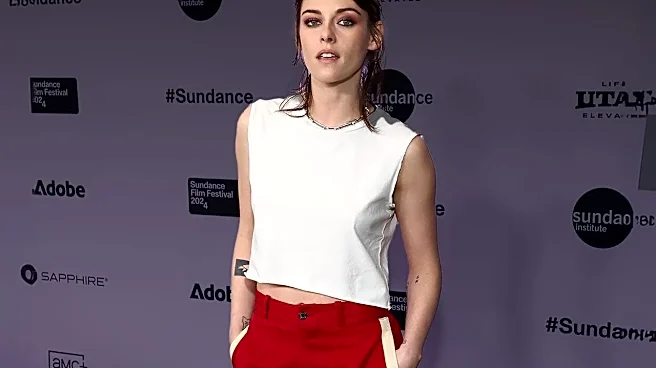
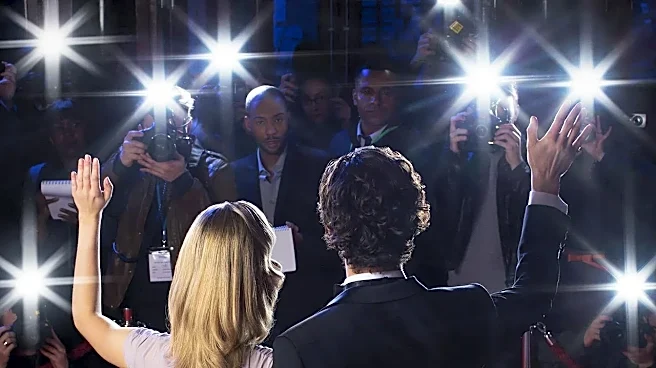
franchise machine. The “star vehicle”—a film whose entire appeal, marketing, and narrative purpose is built around the unique charisma of its lead—seemed like a relic. But a glance at the premieres lighting up Toronto this week suggests a powerful reversal. We’re seeing a festival slate stacked with original films built for specific A-listers, from Channing Tatum’s dramatic turn in ‘Josephine’ to the powerhouse pairing of Penélope Cruz and Javier Bardem in the thriller ‘Bunker’. These aren't movies that happen to have stars; they are movies that exist because of their stars.
A Market in Correction Mode
So, why the sudden return to an old model? In short, the market is demanding it. Audiences, particularly the Gen-Z demographic that now drives theatrical attendance, are showing signs of fatigue with the familiar. After years of interconnected stories and mandatory cinematic homework, there’s a growing appetite for standalone, high-quality films. The surprise box office success of last year's low-budget horror film 'Obsession'—which out-earned a 'Star Wars' movie—proved that originality, not just brand recognition, can create a cultural moment. Studios and streamers, desperate for projects that “cut through the noise” of a saturated media landscape, are realizing that a bona fide movie star is one of the most effective pieces of IP there is. A star offers a human connection point in a way a superhero logo cannot.
The Buzz from the Ground in Toronto
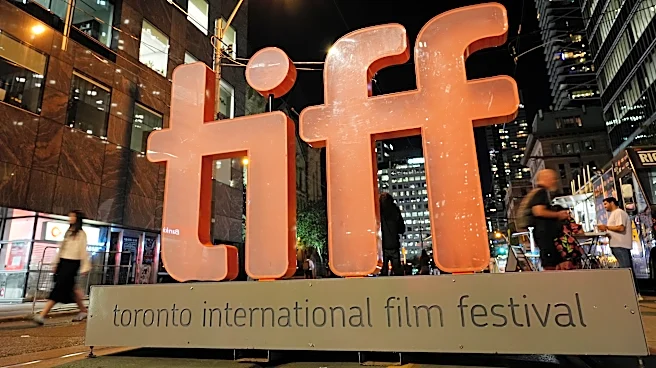
The evidence is all over TIFF’s 2026 program. Beyond the established names, the festival is a launchpad for films designed to elevate rising talent. You can see it in the buzz around a film like Chris Rock’s ‘Misty Green,’ which features established actors like Adam Driver and Daniel Kaluuya but is generating significant talk for its lead, Rosalind Eleazar. Michelle Yeoh, an Oscar winner, is headlining two different films at the festival. Cynthia Erivo is bringing her stage prowess to the screen in ‘Prima Facie’. These projects aren't just prestige plays; they are calculated bets that an actor's singular talent is the most valuable asset a film can have. They offer the promise of an awards campaign, adult-driven drama, and the kind of performance-centric buzz that film festivals are designed to generate.
More Than Just a Paycheck
The trend isn't just being driven by studios; actors themselves are seeking out these opportunities. For a star who has spent years in a green-screen-heavy franchise, a character-driven vehicle offers a chance to reconnect with their craft. It’s an opportunity to build a legacy, take creative risks, and remind audiences of the specific talent that made them famous in the first place. Actors like Andrew Scott in 'Elsinore' or Amanda Seyfried in 'The Life and Deaths of Wilson Shedd' are choosing roles that promise creative fulfillment over guaranteed box office returns. It's a reassertion of artistic agency. In a world of AI and algorithmic content, the raw, unpredictable power of a great human performance is becoming a rarer—and therefore more valuable—commodity.