






The Global Game Meets Silicon Valley
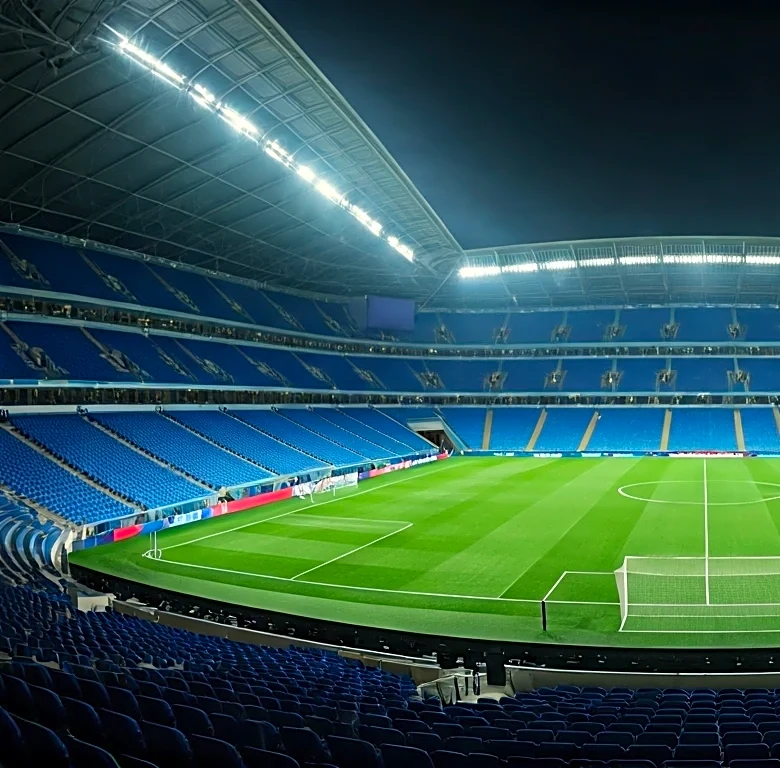
When the FIFA World Cup 2026 schedule was announced, six matches were designated for the San Francisco Bay Area, transforming Levi's Stadium in Santa Clara into a global stage. Throughout June, the stadium hosted five group-stage games, featuring teams
like Switzerland, Austria, and Australia. But the local crescendo is set for July 1st, when the venue will host a crucial Round of 32 knockout match. While the city of San Francisco is a hub for fan zones and cultural events, the stadium itself sits about 40 miles south, deep in Silicon Valley. This unique geography sets up a fascinating cultural experiment: what happens when the raw, unscripted passion of global football collides with a culture obsessed with seamless, optimized, and data-driven experiences? The Bay Area Host Committee, a nonprofit charged with managing the event, sees it as an opportunity to reenergize the region and unite its diverse communities through sport.
A Stadium Built for Disruption
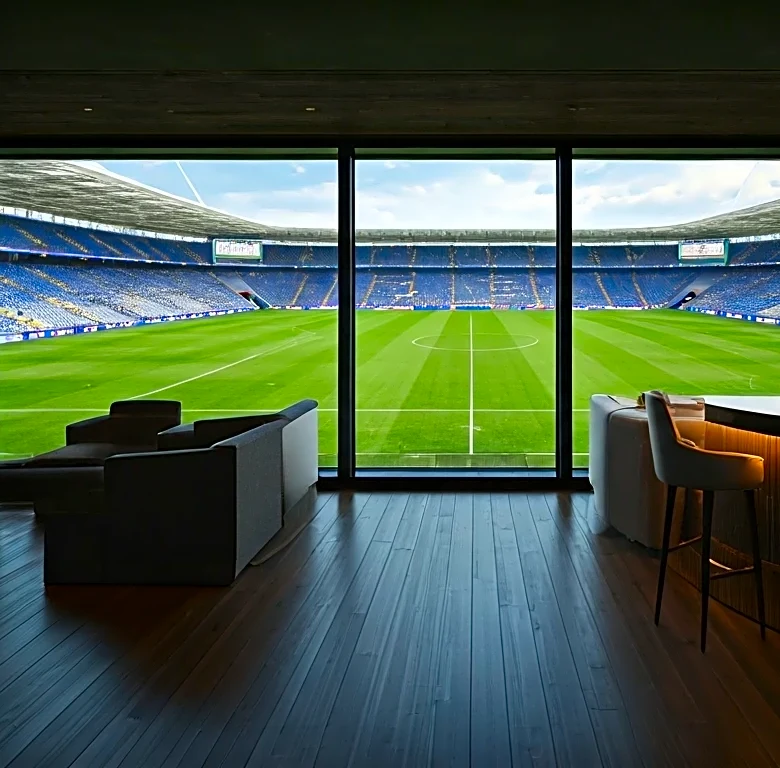
Long before the World Cup arrived, Levi's Stadium was engineered to reflect its surroundings. Opened in 2014, it was one of the first professional sports venues designed with sustainability and technology at its core. It achieved LEED Gold certification for its initial construction and has continued to upgrade its systems. The stadium boasts a 27,000-square-foot “Green Roof” with native plants that helps regulate temperature, and an advanced water recycling program that handles approximately 85% of its water needs, from irrigating the field to flushing toilets. Power is partially supplied by over 1,100 solar panels, generating enough energy to make game days net-neutral. These aren't just bullet points on a press release; they represent a philosophy. The venue was intentionally built to be a forward-thinking platform, ready for a moment like the World Cup, where the demands for connectivity, efficiency, and sustainability would be tested on a global scale.
The 'Tech-Age' Fan Experience
The “Tech-Age” promise goes far beyond strong Wi-Fi. While the stadium was built with a massive 40-gigabit-per-second internet backbone and enough antennas to serve every 100 seats, the experience is about integrating technology into every facet of the day. Recent upgrades ahead of the World Cup include new 4K video boards and next-generation connectivity. The official stadium app provides everything from parking guidance to in-seat food ordering and live-action replays from multiple camera angles. For the tournament, fan engagement begins hours before kickoff, with extensive entertainment programs, music, and interactive zones designed to create a festival atmosphere. FIFA itself has leaned into the tech-forward environment, encouraging fans to use its official WhatsApp channel for real-time updates and launching digital initiatives like a unique “Sonic ID” for the Bay Area created by local producer Dan the Automator.
More Than a Game, It's a Prototype
For the Bay Area, hosting the World Cup is both an economic opportunity and a branding exercise. Local organizers and businesses are leveraging the global spotlight, with hotels transforming their lounges into social hubs and cities hosting massive watch parties for those without tickets. Local food culture is even getting a tech-age spin inside the stadium, with inventive concessions like a “Bayo”—a hybrid of a Mission burrito and a foot-long hot dog. But the true significance lies in what this moment represents for major events. The fusion of a historic, passion-driven tournament with Silicon Valley's obsession with optimization provides a blueprint for the future. It’s a test case for how to manage massive crowds, deliver personalized experiences, and operate a sustainable large-scale event. The world is watching not just to see who wins on the field, but to see how the very nature of watching is being reinvented.