







Blurring the Lines Between Fiction and Reality
In the golden age of Hollywood, studios manufactured star personas, but their private lives remained largely behind a velvet rope. Today, that rope is gone. Social media and a 24/7 entertainment news cycle give us a seemingly unfiltered window into actors'
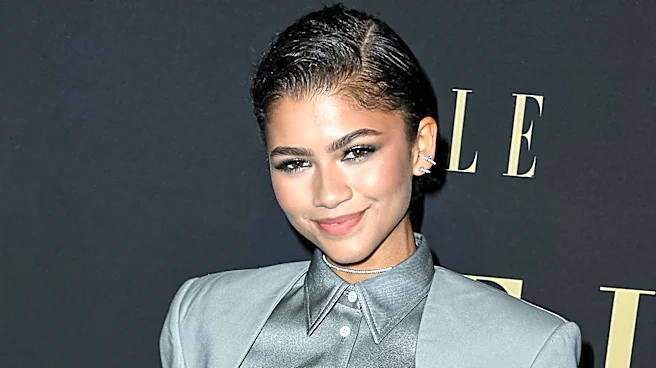
lives. When on-screen love interests like Tom Holland and Zendaya from the 'Spider-Man' franchise become a real-life couple, it creates a powerful narrative loop. Every red-carpet glance or candid Instagram post becomes a new scene in a story we are already consuming, making both the fictional and the real-life versions more compelling.
The Psychology of a Good 'Ship'
This intense investment is rooted in a psychological phenomenon known as a parasocial relationship. It's the one-sided emotional bond audiences form with media figures. We feel like we know them. When actors who portray a beloved couple get together in real life, like Kit Harington and Rose Leslie from 'Game of Thrones', it validates the on-screen chemistry and, in a way, our emotional investment in it. Their real romance makes the fictional one feel more authentic, providing a satisfying sense of connection and a temporary escape from our own realities. It’s a confirmation that the spark we saw was “real” all along.
A Public Relations Goldmine
Studios and PR teams are acutely aware of this effect and are not afraid to use it. A budding off-screen romance, or even the rumor of one, is a powerful marketing tool that generates organic buzz. This phenomenon, often called a "showmance," can lead to endless articles, social media chatter, and fan engagement, essentially providing free advertising for a film or series. This speculation keeps the project in the public conversation long before and after its release. Whether the relationship is genuine or a strategically managed PR stunt, the outcome is often the same: increased audience interest and, potentially, higher box office numbers or ratings.
The Magic of Believability
Ultimately, the power of off-screen chemistry comes down to the same thing that makes any story work: believability. Casting directors conduct "chemistry reads" specifically to find actors whose interactions feel genuine and electric. That intangible connection is what makes an on-screen relationship resonate with viewers. When that connection extends beyond the set, it amplifies the story. It allows the audience to feel like they’re in on a secret, watching a real love story unfold both in a fantasy world and our own. It transforms passive viewing into an active, emotional experience.
When the Romance Fades
Of course, this dynamic is a double-edged sword. When a real-life celebrity couple who also works together breaks up, it can create an awkward situation for both the actors and the audience. For a time, the split between 'Twilight' stars Kristen Stewart and Robert Pattinson became its own massive media narrative. The public's knowledge of the off-screen breakup can color their perception of the on-screen romance, sometimes making it difficult to suspend disbelief. Former fans can even become anti-fans, continuing to follow the drama out of criticism rather than adoration. It's a reminder that while blending fiction and reality can be a powerful tool, it also comes with significant risks.