
The Power of the Edit
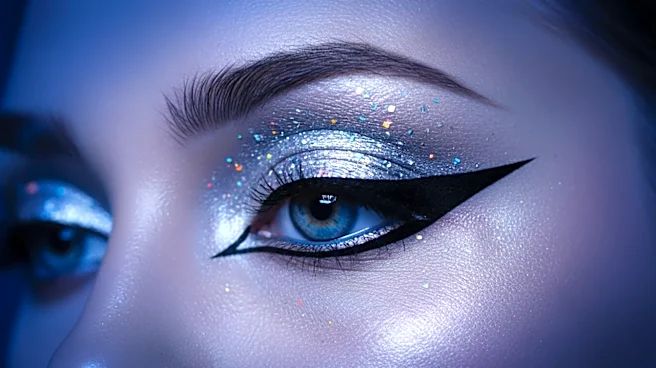
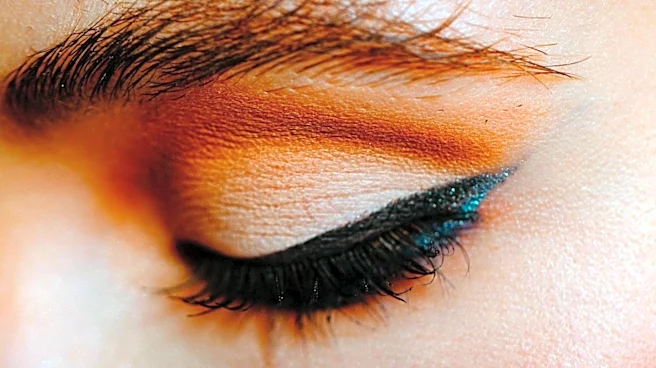
Let’s be honest: modern makeup can feel like an arms race. From intricate cut-crease eyeshadow looks that require a dozen brushes to contouring and baking techniques that can take hours, the pressure to transform
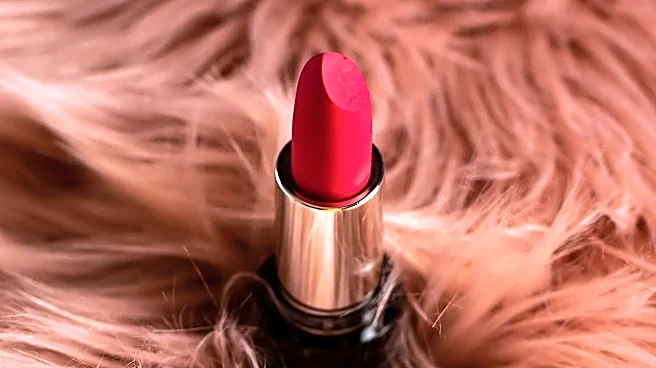
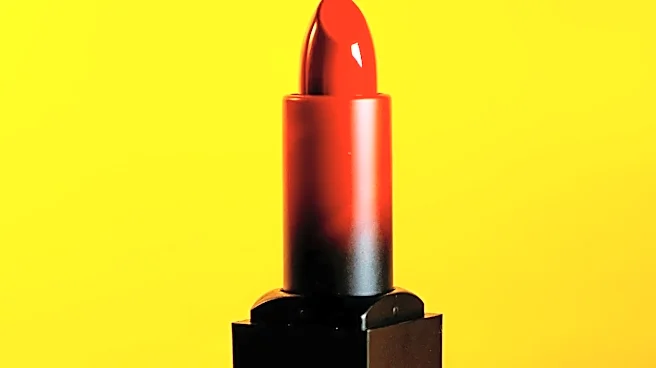
is immense. This is the realm of “character makeup,” a term borrowed from film and stage where the goal is to fundamentally alter one's appearance to become someone—or something—else. It’s an art form, to be sure, involving skill, patience, and often a significant investment in products. But it’s also a mask. The simple red lip offers a compelling alternative. It’s not about hiding or transforming; it’s about amplifying. It’s the ultimate act of cosmetic efficiency, delivering maximum impact with minimal effort. In the time it takes to blend a single eyeshadow, you can apply a statement lip that defines your entire look. It’s a vote for confidence over complexity, a declaration that you don’t need a disguise to feel powerful.
A Red Line Through History
To understand the power of the red lip is to understand its history. This isn’t just a color; it’s a cultural symbol woven through millennia. Ancient Mesopotamian queens and Egyptian royalty like Cleopatra used crushed gemstones and bugs to achieve a bold red, marking it as a sign of status and power from its very inception. For centuries, its meaning fluctuated. It was seen on the lips of respectable Elizabethan nobles and, at other times, was associated with morally questionable women. But the red lip found its modern footing as a symbol of rebellion. In the early 20th century, beauty entrepreneur Elizabeth Arden famously handed out tubes of red lipstick to suffragettes marching for the right to vote. It became a badge of courage and female emancipation. During World War II, it was even framed as a patriotic duty, with shades like “Victory Red” meant to boost morale while Hitler, who reportedly detested it, fumed. From Marilyn Monroe’s Hollywood glamour to Taylor Swift’s signature look, it remains an emblem of unapologetic femininity.
The Science of the Statement
The pull of a red lip isn't just cultural; it’s psychological. The color red naturally grabs our attention. Studies have shown that wearing red lipstick can make the wearer feel more confident and assertive. This is what some call the “red lip theory”: the color is so bold that it creates a focal point, drawing eyes to the lips and away from any perceived imperfections elsewhere. It’s a classic misdirection that builds self-assurance. Psychologists also note that red is widely associated with passion, energy, and vitality, which can subtly influence how the wearer is perceived. Research has even suggested that women wearing red are often seen as more attractive and competent. Wearing it is a feedback loop; you wear red to feel bold, and the world responds to that boldness, reinforcing the feeling. It’s a self-fulfilling prophecy in a tube.
Character vs. Self
Herein lies the core difference. Full character makeup, with its prosthetics, heavy layers, and transformative shading, is about creating an illusion. It’s about becoming a different person for a night, whether that’s a mythical creature for a costume party or an exaggerated version of a social media influencer. There's fun and artistry in that, but the identity is external. A red lip does the opposite. It doesn’t create a character; it highlights the one that’s already there. It’s an exclamation point at the end of a sentence you were already writing. As fashion icon Coco Chanel once said, “If you’re sad, add more lipstick and attack.” The message is clear: the tool doesn’t replace the person—it empowers them. It’s the difference between wearing a costume and wearing your confidence.