


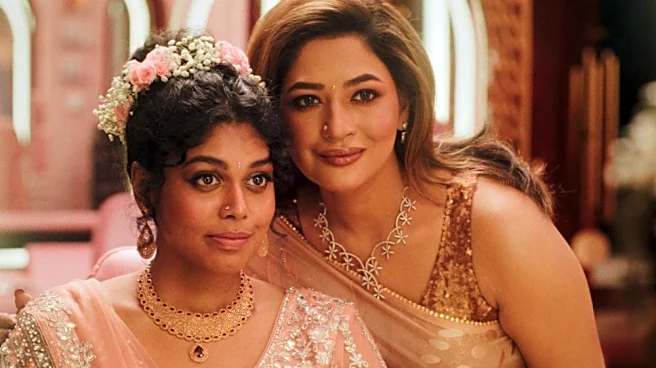

The Allure of Couture: A Handcrafted Dream
When you hear “haute couture,” think of it as the Olympics of fashion. The term, legally protected in France, translates to “high sewing” and refers to garments made entirely by hand by a dedicated atelier. A single gown can require hundreds, sometimes
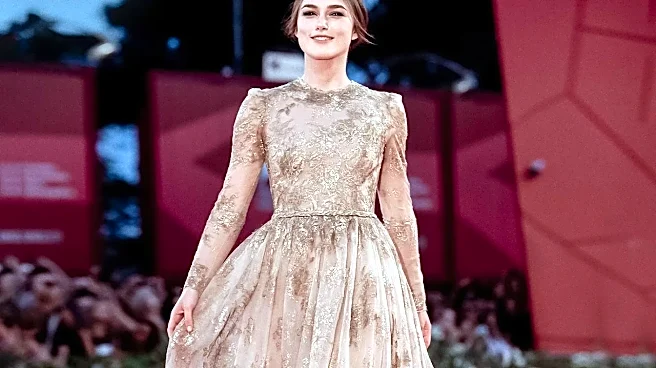
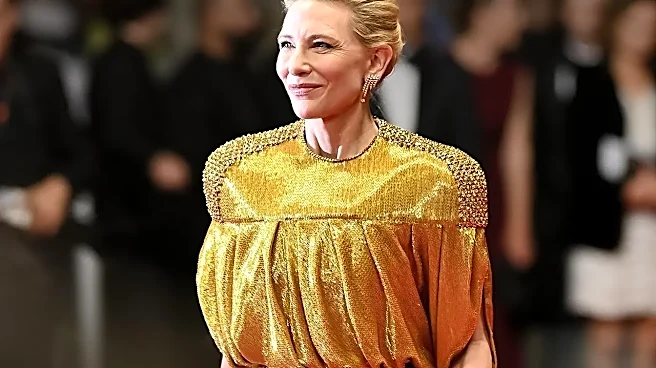
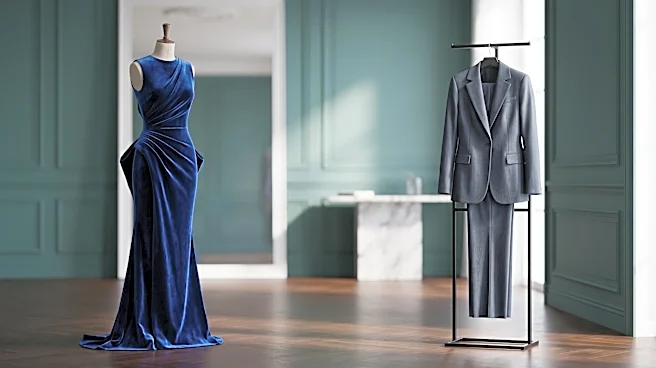
thousands, of hours of meticulous work, from intricate beading to flawless embroidery. It’s fashion as fine art, created for a specific client. On the Venice red carpet, couture is the language of fantasy and romance. This year, stars embraced its power to create unforgettable moments. Kate Mara, for instance, appeared in a custom Armani Privé gown, a sequined creation that demonstrated the house's mastery of glamorous embellishment. Similarly, Alicia Vikander chose a strapless ruffle gown by Louis Vuitton, a piece that blended classic red-carpet drama with high-fashion artistry. These looks aren't just dresses; they are statements of unparalleled craftsmanship, designed to transform the wearer and transport the viewer.
The Power of Tailoring: Sharp and Subversive
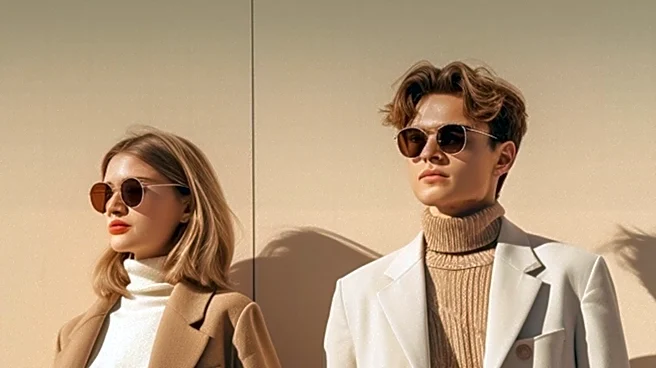
At the other end of the spectrum is tailoring—a trend that has exploded on the women's red carpet, offering a different kind of authority. While not always bespoke in the traditional Savile Row sense, these looks prioritize perfect fit, clean lines, and a sense of effortless confidence. A tailored suit or a sharply cut gown communicates a modern, grounded power that feels distinctly of the moment. At this year's festival, Jury President Maggie Gyllenhaal kicked things off in a precisely tailored The Row suit, setting a tone of sophisticated seriousness. Jonathan Bailey also made a strong case for tailoring, wearing a smart Giorgio Armani suit with a cool, loose fit. These outfits reject the froth and fantasy of traditional gowns in favor of something more direct and arguably more subversive. It’s a choice that says power doesn’t need to be softened with tulle or sequins; it can stand on its own, defined by a perfect shoulder line and a razor-sharp lapel.
Fantasy vs. Form: Two Kinds of Red-Carpet Power
So, which makes a bigger impact? It’s less a competition and more a question of narrative. Couture often tells a story of aspiration, romance, and otherworldly glamour. It’s the stuff of fairy tales, where fabric and thread are spun into a dream. Think of Parker Posey's dramatic ivory Valentino ensemble, complete with a cape, which brought pure theatricality to the carpet. Tailoring, on the other hand, tells a story of contemporary confidence and self-possession. It’s grounded in reality, drawing its power from impeccable construction rather than ethereal fantasy. The choice between them often reflects the wearer's public persona or the project they're promoting. An art-house star might lean into the intellectual chic of a suit, while an actress in a sweeping historical epic might opt for the grandeur of couture. As stars like Amal Clooney—who wore a sleek, custom Tom Ford column gown that blended tailoring's sharpness with a gown's form—have shown, the lines are increasingly blurring.