






The Allure and Trap of Spectacle
The track record for Disney's live-action remakes is a mixed bag. For every Cinderella or Jungle Book that finds a new dimension, there’s a Lion King that feels more like a stunningly realistic tech demo than a movie with a soul. The danger is that in the leap
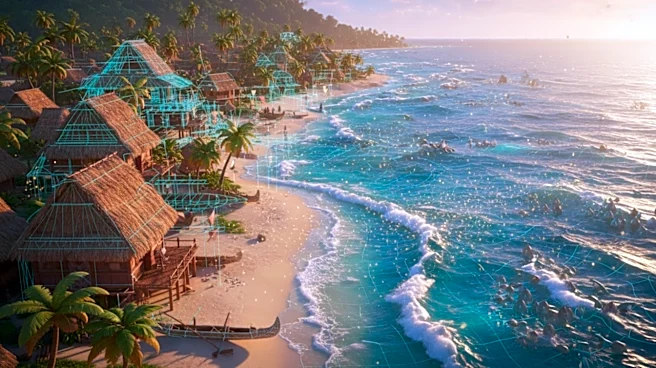
to live-action, expressiveness is sacrificed for photorealism, and spectacle smothers story. This risk is especially potent for Moana, a tale set against the vast, awe-inspiring backdrop of the Pacific. Director Thomas Kail, celebrated for his work on Broadway's Hamilton, has spoken about making a "big summer movie" with "big adventure." The temptation will be to fill the screen with colossal waves, shimmering CGI, and bombastic action. But the magic of the original wasn't just its scale; it was how that scale made a teenage girl's courage and self-doubt feel incredibly relatable.
Let the Ocean Be a Character
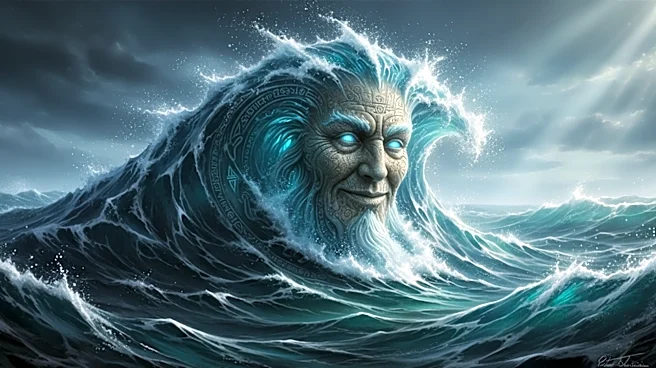
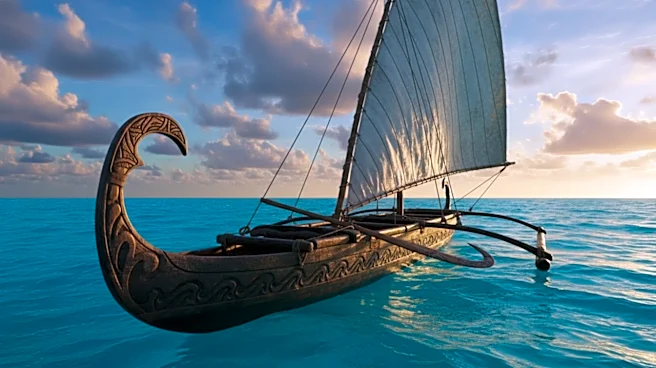
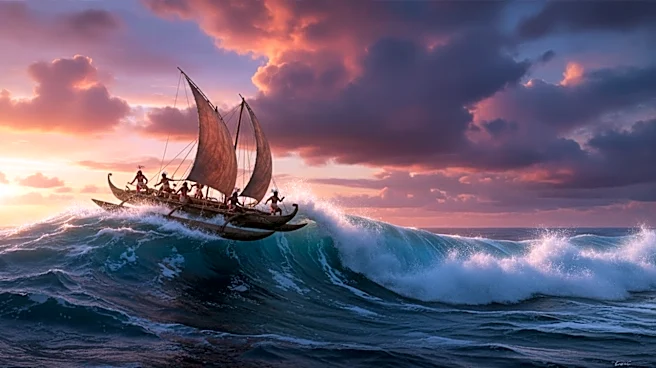
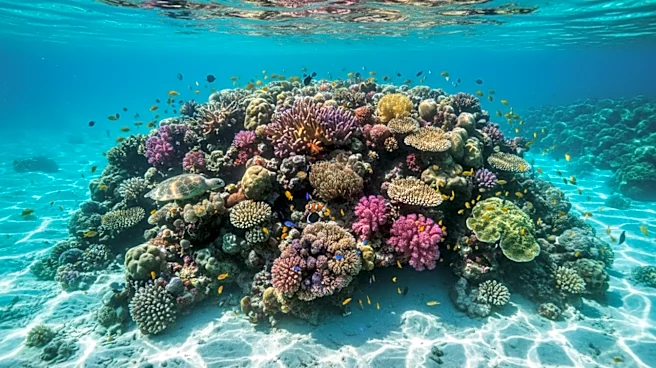
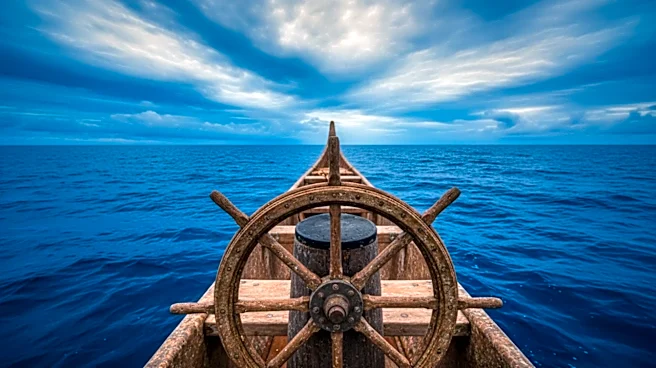
The key to using scale effectively is to make it serve the story, not overwhelm it. In the animated film, the ocean isn't just water; it's a playful, sentient character with a will of its own. A live-action version can’t replicate that exact cartoonish charm, but it can double down on the ocean’s raw power and personality. Instead of a pristine digital soundstage, the film should make the ocean feel immense, unpredictable, and truly dangerous. The scale of the Pacific should serve to heighten Moana’s isolation and the sheer impossibility of her task. When she argues with the sea or is battered by a storm, the visual grandeur shouldn’t just be a pretty background. It should be an active participant in the drama, a force that tests her resolve and ultimately validates her unique connection to it. This approach turns spectacle into a storytelling tool, making Moana's journey feel more heroic, not less.
Anchor the Gods, Humanize the Demigod
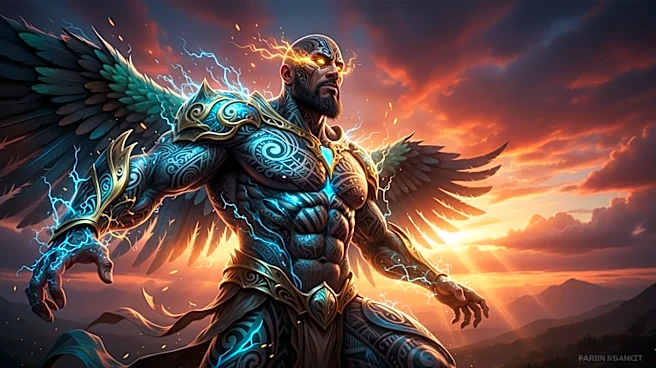
Dwayne Johnson’s return as the demigod Maui is both the film's biggest draw and a delicate balancing act. Johnson has spoken emotionally about the role, which was inspired by his grandfather, High Chief Peter Maivia, calling the experience "very surreal." That personal connection is the movie's secret weapon. While the scale can and should be used to show the jaw-dropping results of Maui's powers—pulling islands from the sea, fighting monsters—the focus must remain on the wounded ego and hidden vulnerability that define his character. The animated film’s heart lies in the dynamic between a self-doubting girl and a demigod desperate for validation. Johnson's challenge isn't just to embody Maui's strength, but to capture the insecurity beneath the bravado. The grandest special effects won't matter if the quiet moments on the boat, where his arrogance cracks to reveal his pain, don't land with genuine emotion.
The Journey Lives or Dies with Moana
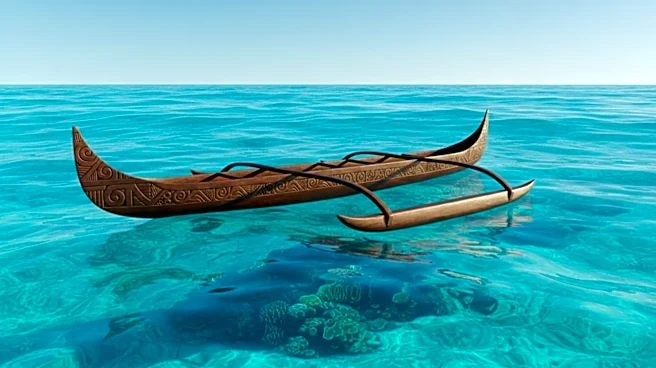
Ultimately, the film’s success rests on the shoulders of its lead, newcomer Catherine Laga‘aia. The original Moana, voiced by Auliʻi Cravalho (who is now an executive producer), was beloved for her determination, wit, and relatable moments of uncertainty. No matter how impressive the visuals, the story is about a young woman finding her voice. Director Thomas Kail must prioritize giving Laga‘aia the space to explore those nuances. The most critical scenes aren't the monster fights; they are the quiet conversations with Gramma Tala (Rena Owen), the crushing weight of her father's expectations (John Tui), and her solitary struggle on the canoe. Laga‘aia, who is of Samoan descent, has expressed her honor in representing Pacific Island peoples. By keeping the camera and the narrative tightly focused on her emotional journey—her fears, her triumphs, her connection to her heritage—the film ensures its spectacle has a purpose. The epic scale only works if it's the backdrop to an intensely personal story we can all connect with.