





Break Up the Vertical Line
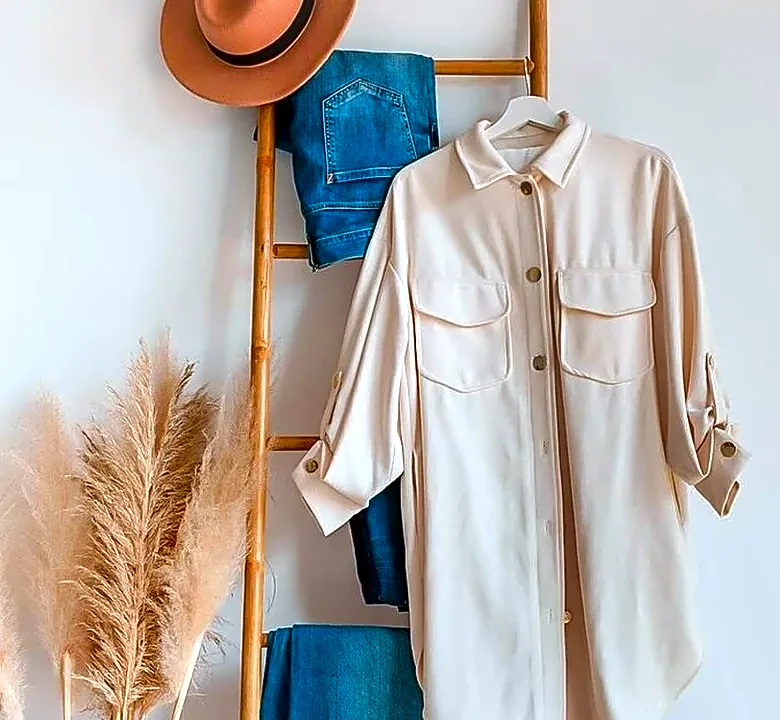
The number one rule for dressing a tall frame is to avoid creating one long, unbroken vertical line, which can make you appear even taller and lankier. An overshirt is the perfect tool for this. When worn unbuttoned over a base layer like a T-shirt or tank
top, it creates two parallel vertical lines down the center of your torso. This visual trick interrupts the single monolithic shape, adding dimension and structure. A contrasting belt can also work wonders by creating a clean horizontal line across your body, visually dividing your frame in a flattering way. This simple division helps create more balanced proportions between your upper and lower body.
Master Proportions with the Right Length
Fit is everything, and for an overshirt on a tall frame, length is a critical component of that fit. An overshirt should function like a light jacket, so its hem should ideally fall to your lower hip or just cover your belt. This length is crucial because it helps balance the torso against the legs. A shirt that’s too short will make your torso look small and your legs appear disproportionately long. Conversely, one that’s too long can start to look sloppy or shapeless. Also, pay attention to sleeve length; they should be long enough that they don't ride up when you move.
Use Texture to Add Dimension
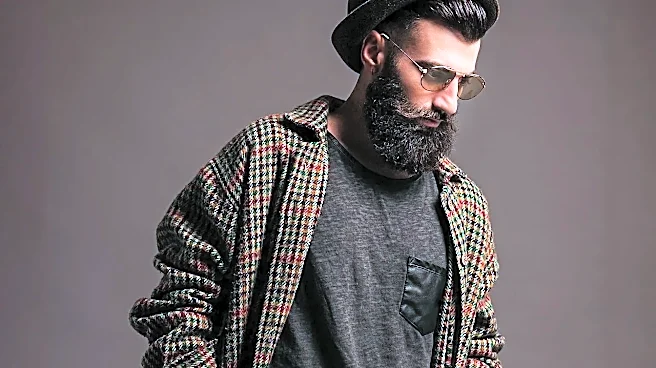
Texture is a tall person's secret weapon for adding visual substance without adding unflattering bulk. Thicker, more substantial fabrics like corduroy, flannel, wool, denim, and waffle knits give an overshirt more structure and perceived mass. This is especially effective for those with a slender build, as it helps create a more filled-out silhouette. Mixing textures between your layers—such as a smooth cotton tee under a rugged corduroy overshirt—adds depth and makes the entire outfit more visually interesting. This technique prevents the look from falling flat and gives it a considered, polished feel.
Leverage Color and Pattern Strategically
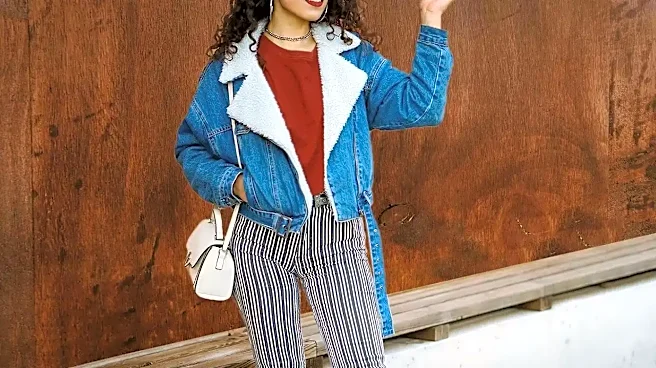
Color and pattern are powerful tools for managing proportions. Wearing contrasting colors between your base layer and your overshirt is an easy way to create a horizontal break and add interest. Think a light gray T-shirt under a dark navy overshirt. Patterns can work similarly. While vertical stripes can sometimes exaggerate height, horizontal stripes or bold patterns like plaid on an overshirt can help add a sense of width and break up the vertical plane. Don't be afraid to make the overshirt the star of the show by pairing a patterned version with solid, neutral pieces underneath and for your pants.
Build on a Solid Foundation
An overshirt is only as good as the layers you pair it with. Start with a well-fitting base layer, like a quality crew neck T-shirt or a bodysuit that won’t come untucked. The fit of your base is important; it should be relatively close to the body so the overshirt can slide over it without bunching. The same logic applies to your pants. Avoid overly skinny jeans, which can emphasize a lanky frame. Instead, opt for straight-leg or relaxed-fit chinos and denim to maintain a balanced silhouette from top to bottom. The right footwear, such as boots or classic sneakers, will anchor the look and complete the intentionally balanced outfit.