




The Foundation: Post-War Sincerity
The blueprint for the modern Christmas movie was drafted in the 1940s. In the wake of World War II, films like 'It's a Wonderful Life' (1946) and 'Miracle on 34th Street' (1947) captured a nation yearning for decency, community, and faith in humanity.
These weren't just stories set at Christmas; they were parables about the value of a single life and the fight against corrosive commercialism and cynicism. George Bailey's selfless generosity transforms his town, establishing the redemption arc and the focus on community as core tenets of the genre. Watching just one of these black-and-white classics is enough to understand the sincere, moralistic foundation upon which all other holiday movies are built. They established a tone of earnest hope that later films would either embrace or actively rebel against.
The Shift: Suburban Chaos and Comedy
By the 1980s, the earnestness of the Golden Age gave way to something far more relatable for a new generation: chaotic family comedy. This era recognized that the holidays are often more about stress and dysfunction than quiet reflection. 'A Christmas Story' (1983) perfectly captured nostalgic, kid-level desperation, while 'National Lampoon's Christmas Vacation' (1989) found humor in the disastrous pursuit of a 'fun, old-fashioned family Christmas'. Then came 'Home Alone' (1990), a blockbuster that blended slapstick violence with a surprisingly sweet story about family and belonging. These films shifted the focus from saving a town's soul to simply surviving the in-laws and a house full of relatives. Understanding this era is key to seeing how the genre began to laugh at itself and the pressures of the season.
The Reinvention: Romance and Genre-Bending
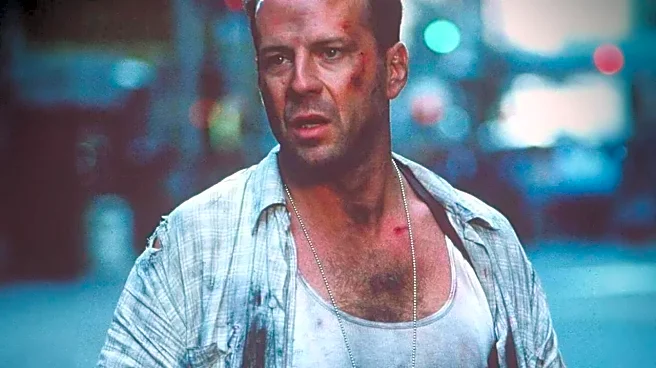
The late '80s and the 2000s saw the Christmas movie splinter in exciting ways. The long-running debate over 'Die Hard' (1988) proves the genre could successfully merge with action. Meanwhile, 'Elf' (2003) managed to blend sincere, almost childlike wonder with sharp, modern comedy, becoming an instant classic. But the biggest shift was the rise of the holiday romantic comedy, defined almost single-handedly by 'Love Actually' (2003). This film's template of interconnected love stories set against a festive backdrop became a dominant force. Around the same time, films like 'Bad Santa' (2003) proved the genre could handle cynicism and dark humor, turning the holiday spirit on its head entirely. This period shows the genre's ultimate flexibility, proving a Christmas movie can be anything from an action flick to a multi-story romance.
The Current Era: The Streaming Onslaught
Today, the holiday movie landscape is defined by sheer volume, thanks to streaming services and cable channels like Hallmark. Netflix, for example, produces a massive slate of original holiday content each year, from royal romances to animated origin stories like 'Klaus' (2019). These films often follow predictable, comforting formulas focused on romance, family, and finding the Christmas spirit, but they are also beginning to feature more diverse stories and characters. While few may achieve the timeless status of 'It's a Wonderful Life', their collective presence signifies a new phase: the Christmas movie as a comforting, algorithm-friendly content stream, always available and tailored to very specific tastes. Understanding this phase isn't about watching them all, but recognizing the shift from singular event films to an endless buffet of festive familiarity.