

Podcasting's Original Sin: Being Real
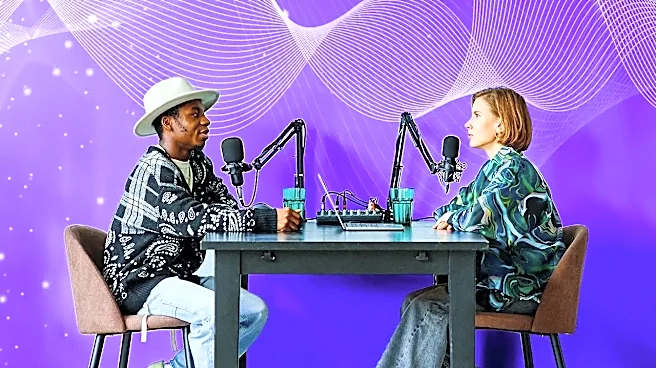
Not long ago, the appeal of podcasting was its rejection of the polished, inaccessible nature of traditional media. It was a world of unfiltered conversations, niche obsessions, and the feeling that you were just listening in on a chat between friends.
This sense of authenticity became the medium's most valuable currency. Listeners don't just consume content; they form genuine, long-term connections—often called parasocial relationships—with hosts they feel they know and trust. This bond is what makes a listener tune in week after week, whether the topic is true crime, pop culture, or ancient history. It’s a powerful, intimate connection built not on slick production, but on the perception of unvarnished reality. For years, the most successful podcasts felt like they were happening in your ear, not on a global stage.
The Inevitable Demands of Growth
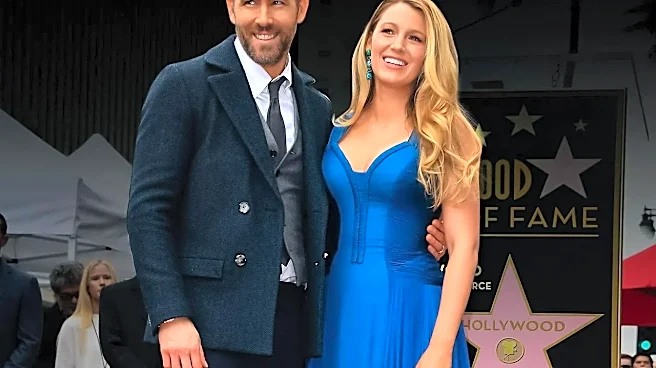
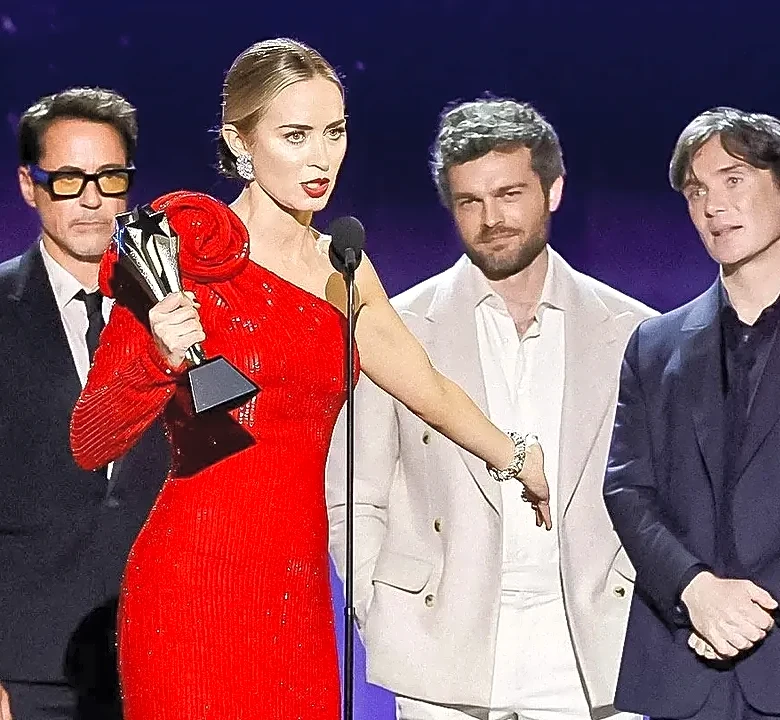
But as audiences swelled from thousands to millions, the stakes changed. What begins as a passion project in a basement inevitably professionalizes. Sponsorships roll in, followed by ad agencies, production teams, and the pressure to maintain growth. The very nature of this success demands a degree of performance. Spontaneity is refined, conversations are structured, and host-read ads, while aiming for a personal touch, are still commercial obligations. An awards show like the iHeartPodcast Awards is the ultimate symbol of this evolution. It takes the voices we’ve invited into our private lives—while cooking, commuting, or walking the dog—and places them under stage lights, turning relatable personalities into public figures. This isn't inherently a betrayal, but it is a fundamental shift. The host is no longer just a person; they are the face of a media brand.
When 'Authentic' Becomes a Role
This is where the line gets blurry. Is a host performing when they adopt a more energetic, on-air version of themselves to keep listeners engaged? Is a carefully edited interview less 'real' than a rambling, unedited one? The truth is, some performance has always been part of the equation. The difference is that now, 'authenticity' itself can become a performance. Brands specifically seek out podcasts for that genuine feel, creating a market where hosts are incentivized to maintain a relatable persona even as their reality dramatically changes. The challenge for creators is to scale their production and business without sacrificing the trust that got them there. Some manage this by being transparent about their growth, while others adopt a character of their 'old self'—a performance of the very authenticity that once came naturally.
What the Audience Really Wants
Listeners aren't passive observers in this dynamic; we are active participants. We crave the raw, unfiltered connection but also demand high-quality audio and consistent entertainment. We celebrate a podcaster's success but can feel a sense of loss when their show becomes more commercialized. This puts creators in an impossible position: stay small and 'pure' or grow and risk being called a sellout. The fan-voted categories at awards shows further complicate this, turning listener loyalty into a competitive sport. The audience's desire for both intimacy and professionalism fuels the central tension of the modern podcasting landscape. We want our favorite hosts to win awards, but we also want to feel like they're still just one of us, talking into a microphone in their closet.