





The Inevitable Pivot to Video
For years, the podcasting purist’s mantra was simple: audio first, audio always. But the game has changed, largely due to one platform: YouTube. What began as a video-sharing site has morphed into one of the world's biggest podcast discovery engines.
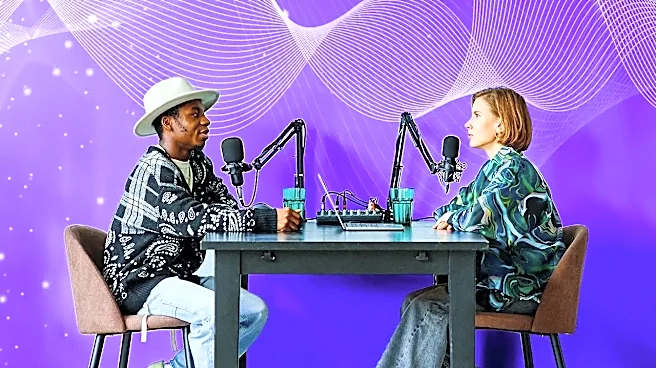
Add in the visual appeal of platforms like TikTok for promotion and Spotify’s own major investments in video podcasts, and the pressure to “go visual” has become immense for creators seeking growth. This isn't just about vanity. Video offers new revenue streams, broader audience reach, and a different way to connect with fans. Ignoring it started to feel like leaving opportunity on the table. Recognizing this shift, iHeartMedia announced in late 2025 and officially launched in 2026 a major expansion to support full-length video podcasts on its iHeartRadio app. The move signaled that the industry’s largest player was ready to fully embrace the hybrid future.
iHeart’s ‘Creator First’ Strategy
Instead of forcing a video-or-nothing approach, iHeart's strategy is built around flexibility, which it labels a "Creators First" mission. The company allows podcasters to distribute video versions of their shows through the same open RSS feed system they use for audio, a key technical detail that empowers creators. This means a podcaster doesn’t have to choose a separate platform or complicated workflow to host their video. More importantly, iHeart does not demand a revenue share or exclusive hosting for this video content, distinguishing its approach from other platforms that take a significant cut. Conal Byrne, CEO of iHeartMedia's Digital Audio Group, has framed this as giving creators and fans a choice. The company provides the tools for video distribution, but whether a show remains audio-only or embraces a visual component is left entirely up to the creator. It’s a pragmatic acknowledgment that while video is a powerful tool, it’s not a one-size-fits-all solution for every show.
Keeping Audio at the Awards’ Heart
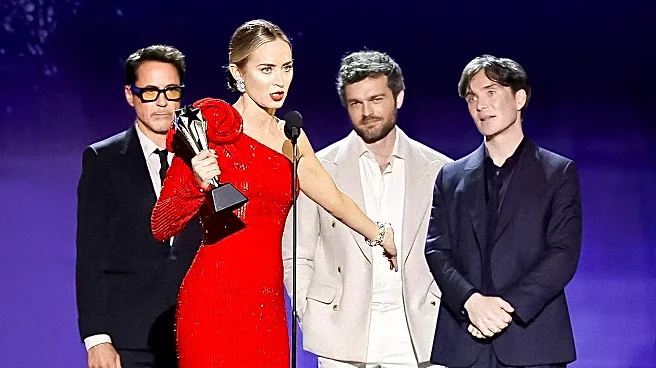
While the company’s platform embraces video, the iHeartPodcast Awards itself serves as an annual reminder of audio's central identity. The 2026 awards, held at SXSW in Austin, demonstrated this balance in action. The event was live-streamed on the video platform VEEPS, but it was also broadcast across iHeartMedia radio stations and on the iHeartRadio app, ensuring an audio-centric experience was still paramount. More telling are the awards themselves. Categories span a wide range of genres like Comedy, Crime, and History, judged by industry peers. Crucially, special honors like the Audible Audio Pioneer Award and the Innovator Award celebrate contributions to the audio craft itself. In 2026, these awards went to Terry Gross of NPR's "Fresh Air" and Hrishikesh Hirway of "Song Exploder," respectively—two figures who have masterfully used sound to redefine storytelling. By honoring the architects of audio excellence, the awards reinforce the idea that the core of the medium is the listening experience, even as its distribution methods evolve.
A Blueprint for a Hybrid Future
Ultimately, iHeart's approach to both its platform and its awards show suggests a path forward for an industry in transition. It’s not about choosing a side in a supposed war between audio and video. Instead, it’s about expanding the definition of what a podcast can be. Video becomes an optional, additive layer—a tool for marketing, discovery, and deeper fan engagement—while the audio experience remains the foundational element. The awards ceremony itself mirrors this: a visually engaging live event that simultaneously celebrates the fundamental craft of audio. It’s a balancing act that recognizes where the audience is heading without forgetting where the medium came from. The message is clear: video can help a podcast grow, but its soul is, and will likely always be, something you hear.