

The Obvious Contenders
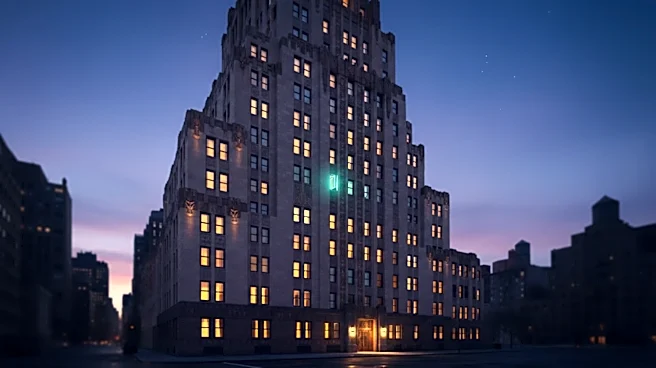
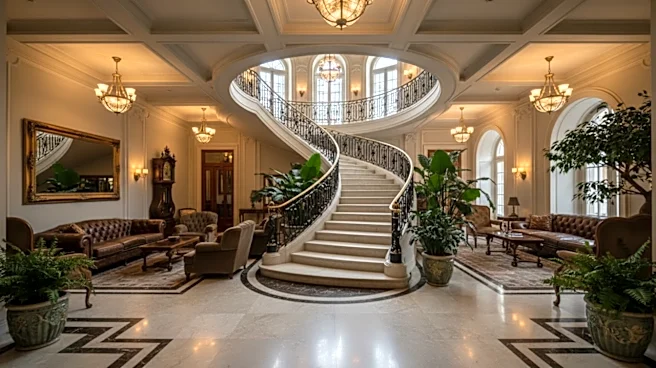
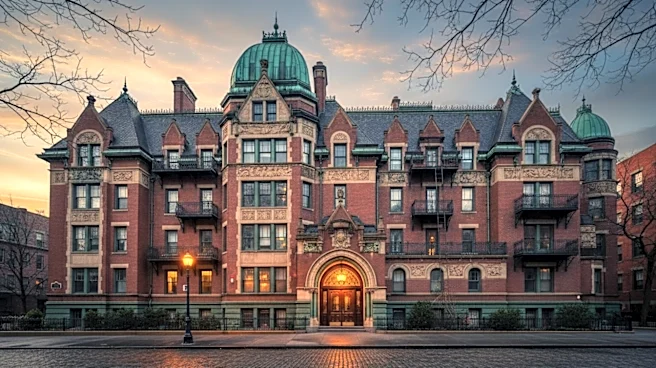
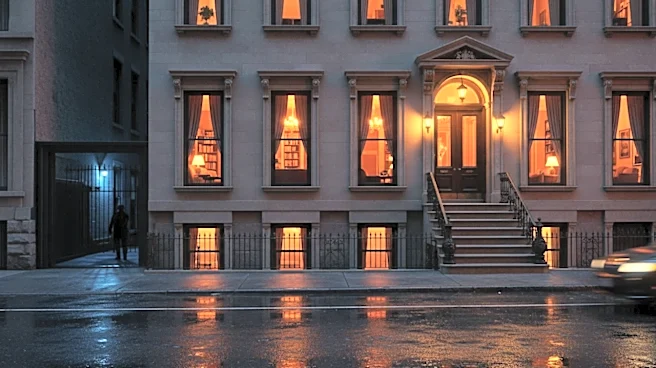
Let’s get the tangible perks out of the way. Yes, the apartments in the Arconia are magnificent. In the real world, the building—The Belnord on the Upper West Side—features sprawling, multi-million dollar condos with high ceilings and herringbone floors.
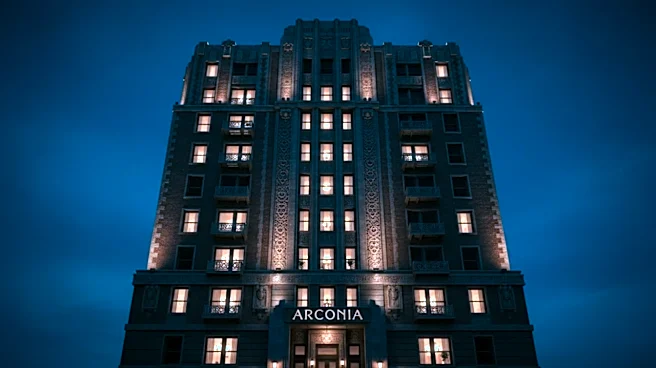
On screen, we see the results of a soundstage, but the fantasy holds: Charles’s cozy, modern nest, Oliver’s theatrical, dip-stained lair, and Mabel’s massive, under-renovation canvas are all prime New York real estate. Then there’s the iconic courtyard, an honest-to-goodness oasis that, at the time of The Belnord's construction, was among the largest of its kind. The building is a designated landmark, a beautiful relic of Italian Renaissance-style architecture complete with dramatic archways and a stately presence. Even the secret passageways, a terrifying feature in any other context, are presented with a quirky, adventurous charm. But as desirable as these features are, they aren't the real prize. They are merely the stage for the Arconia’s true treasure.
More Than Just Real Estate
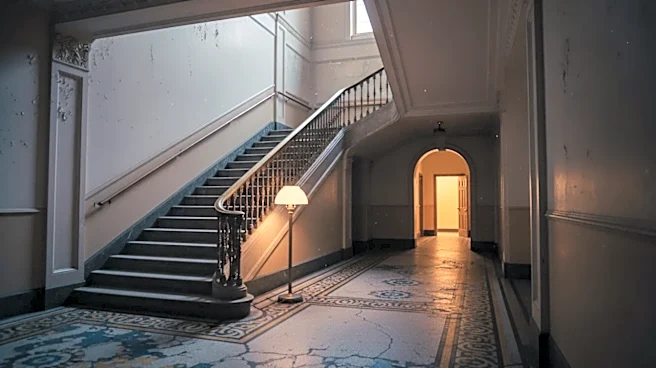
The show's cocreator, John Hoffman, knew the building needed to be a character in itself—one that held 'a world of mystery and intrigue.' The Arconia delivers. It represents a bygone New York, a fantasy of permanence and history in a city defined by constant change. The building’s lore, from its fictional architect Archibald Carter to its very real predecessor’s history of housing stars like Marlon Brando and Marilyn Monroe (as visitors), adds to the mystique. Fans aren’t just fantasizing about a big apartment; they are drawn to the idea of the Arconia. It’s a world unto itself, a vertical village where lives, stories, and yes, bodies, pile up in compelling ways. The building’s design, with its multiple lobbies and wings, both separates and connects its residents, creating a perfect environment for secrets and accidental encounters.
The Ultimate Amenity: A Built-In Community
Here it is: the one amenity people would brave a suspicious number of homicides for is community. In an era often defined by urban loneliness, the Arconia offers the opposite: a dense, interwoven, and inescapable network of neighbors. The residents may be nosy, eccentric, and occasionally murderous, but they are present. They gather for building meetings, they gossip in the elevator, they notice when someone hasn't picked up their mail. They form alliances, rivalries, and even podcast-based crime-solving teams. The show's central theme is how three lonely, isolated individuals find connection through a shared, macabre purpose. Charles, Oliver, and Mabel start as strangers who barely acknowledge each other and become a found family, all because their building forced them together. This accidental, often dysfunctional, but ultimately profound sense of belonging is the Arconia’s most valuable asset. It’s a powerful fantasy for viewers living in a world where many people don't know their neighbors’ names, let alone the intimate details of their lives (or deaths).
The Elevator as a Social Crossroads
Nowhere is this forced community more apparent than in the Arconia’s elevator. It’s more than a mode of transport; it's a mobile stage for the building’s drama. Awkward silences, passive-aggressive confrontations with board president Bunny Folger, tense encounters with suspects, and the very formation of the core trio all happen within its cramped confines. It’s a vertical town square, a microcosm of the building itself, where every ride is a potential plot point. You can't avoid your neighbors, your problems, or your next podcast subject when you’re all sharing the same small, slow-moving box. In a world of digital isolation, the shared physical space of the elevator—and the building at large—forces the kind of interaction that sparks friendship and, in this case, amateur detective work. The building itself is the mechanism for connection.