




More Than Just a Pretty Picture
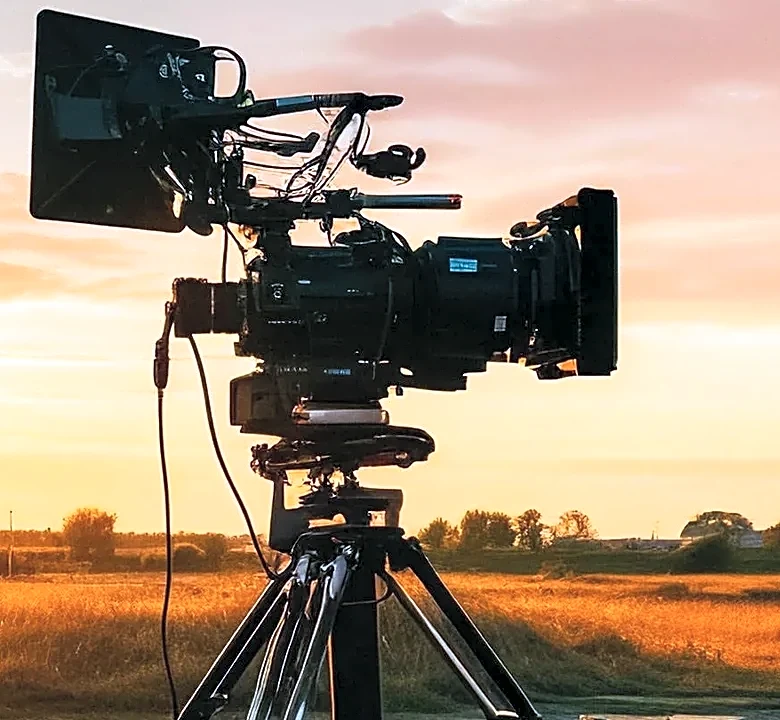
First, let's get one thing out of the way: great cinematography isn't just about sweeping vistas or perfectly symmetrical frames you can post on Instagram. At its heart, it’s a language. The director of photography (DP) makes deliberate choices to serve
the story, creating a visual blueprint that tells you how to feel. A show that masters this can embed itself in a voter’s mind. Take a series like Apple TV's sci-fi drama Pluribus, which has garnered praise and an Emmy nomination for its DP, Marshall Adams. The show's visual distinction between a sterile, hive-mind society and the messy reality of the outside world isn't just background—it's the central conflict, told through the lens. Voters in the Television Academy are industry peers, and they recognize when visual choices elevate the narrative from a script into a living, breathing world.
Painting With Light and Shadow
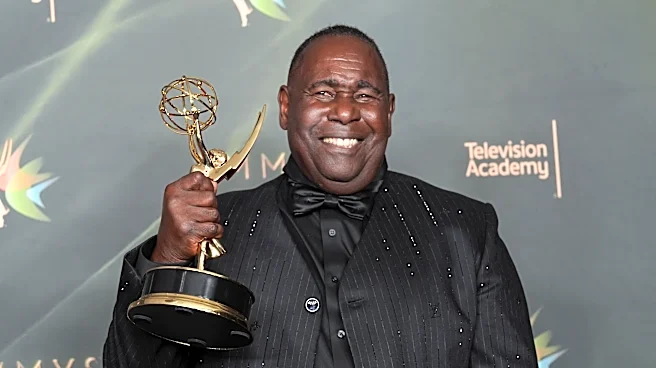
How a scene is lit does more than just let you see the actors; it shapes your perception of characters and events. Low-key lighting, full of deep shadows, can create suspense or signal a character's moral ambiguity. It's a classic technique in noir, but it’s been updated in modern shows like MGM+'s Spider-Noir, which earned Darran Tiernan an Emmy win for its moody, stylized look. Conversely, the bright, almost flat lighting of many sitcoms, like Netflix's The Upshaws, creates a sense of openness and comfort. Then there's the masterful, nuanced lighting of dramas like HBO's Task, where light is used to sculpt faces, hiding or revealing emotion moment by moment, a technique that helped cinematographer Alex Disenhof secure a nomination. These choices are subtle but powerful, working on a subconscious level to build tension, warmth, or unease.
The Camera as an Unseen Character
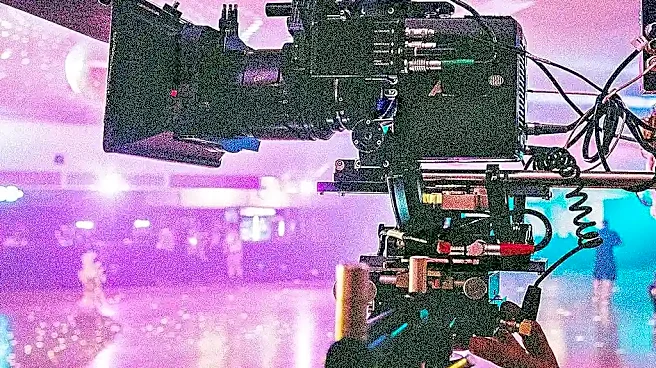
The way the camera moves—or doesn’t—is another crucial storytelling tool. The frantic, anxiety-inducing handheld camera work in FX/Hulu's The Bear puts you right in the middle of a chaotic kitchen, making the stress palpable for the audience and earning cinematographer Andrew Wehde a nomination. Contrast that with the dreamlike, gliding camera movements in a show like Euphoria, where Marcell Rév's cinematography creates a world that feels both beautiful and dangerously detached from reality. The camera’s perspective also dictates power dynamics. A low-angle shot makes a character seem dominant and powerful, while a high-angle shot can make them appear small and vulnerable. These aren't accidents; they are carefully orchestrated decisions that guide the audience's emotional journey and define our relationship with the characters on screen.
The Psychology of a Color Palette
Color grading—the process of altering and enhancing the color of a film or show—is a cinematographer’s final brushstroke. A show's color palette can become its signature. Think of the warm, golden hues of a nostalgic period piece or the cold, desaturated blues and grays of a dystopian future. For its nominated episode, the team behind Apple TV+'s Margo's Got Money Troubles used a distinct visual palette to define its world. Likewise, the rich, cinematic look of HBO's A Knight of the Seven Kingdoms helps sell its fantasy setting to an audience. When a show commits to a specific color language, it creates a more immersive and cohesive experience. That commitment doesn't go unnoticed by Emmy voters, who are looking for series that demonstrate a complete and confident artistic vision from top to bottom.