
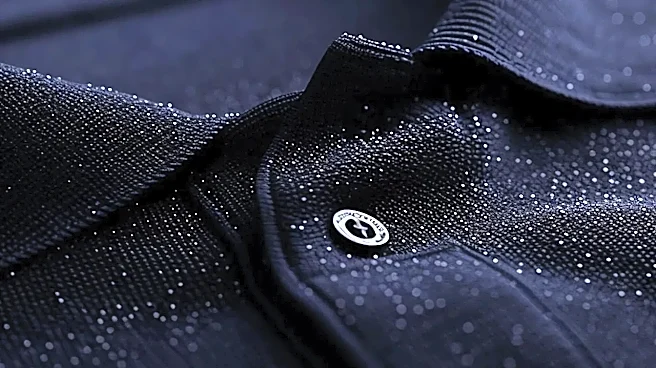

The Hidden Damage in Every Wash Cycle
Each time you wash a garment, it goes through a significant amount of stress. The tumbling motion of a washing machine causes friction between clothes, leading to fiber abrasion and breakage. This mechanical action is what causes fabrics to thin out,
develop pills, and eventually form holes. The damage isn't just mechanical. Detergents, especially when used in excess, can leave behind a residue that stiffens fabric, dulls colors, and can even trap dirt and oils over time. Furthermore, hot water, while effective at stain removal, can cause certain fabrics to shrink and accelerates the fading of dyes. Over many cycles, this combination of friction, chemical exposure, and heat systematically breaks down the integrity of the garment.
A 'When to Wash' Guide for Your Wardrobe
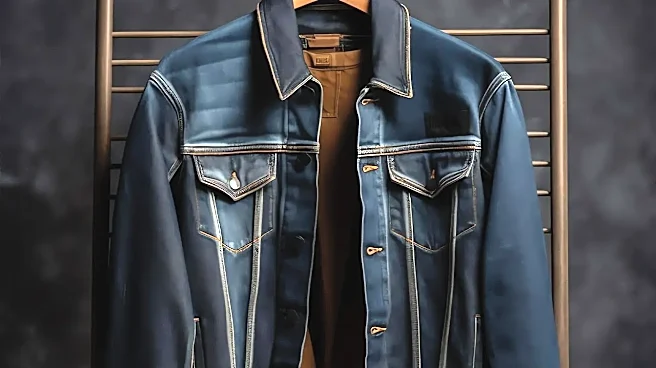
Not every item needs a wash after a single use. Adopting a more mindful approach can dramatically extend the life of your clothing. For items that don't have direct, prolonged contact with your skin, you can wait longer. T-shirts, underwear, and socks, however, should generally be washed after each wear for hygiene. But for other common items, the rules are different. Sturdy denim jeans can often be worn 5-10 times before they need a cleaning. Sweaters made of wool or cashmere can go 5-7 wears, especially if you have an undershirt on. Outerwear like jackets and blazers may only need washing once or twice a season, unless visibly soiled. By simply re-wearing items that aren't actually dirty, you spare them dozens of damaging wash cycles a year.
Smarter Ways to Keep Clothes Fresh
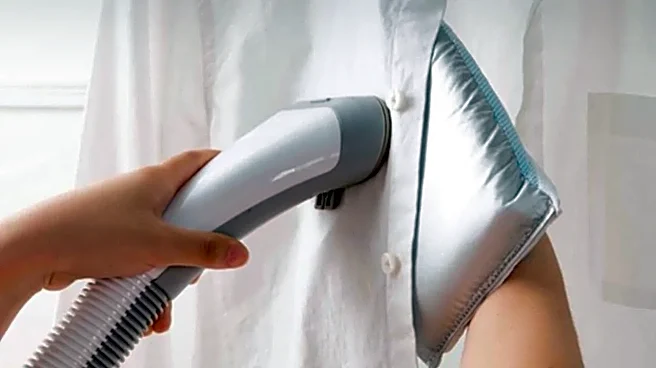
If a garment isn't stained but just needs a refresh, there are several effective alternatives to a full wash. One of the simplest methods is to air your clothes out. Hanging a sweater or a pair of jeans near an open window or outdoors for a few hours can work wonders to dissipate light odors. For more targeted odor removal, steaming is an excellent option. A handheld garment steamer uses hot vapor to kill odor-causing bacteria and relax wrinkles without the harsh mechanical friction of a washer. Fabric sprays are also useful for neutralizing smells between washes, especially on synthetic fabrics that tend to hold onto odors. And for minor spills, spot-cleaning with a damp cloth and a small amount of gentle soap is far better for the garment's longevity than subjecting the entire piece to a wash cycle.
Laundry Best Practices for Longevity
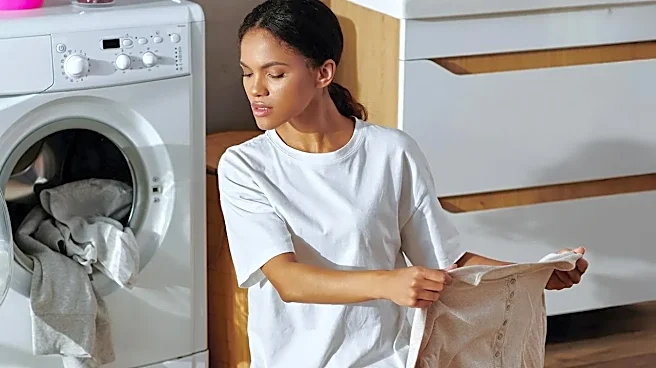
When you do need to wash your clothes, a few simple adjustments can minimize the damage. First, always opt for a cold water cycle when possible. Cold water is much gentler on fibers, helps prevent colors from bleeding, and reduces the risk of shrinkage. It also uses significantly less energy. Second, turn garments like jeans and graphic tees inside out before washing to protect their outer surface from abrasion. Using mesh laundry bags for delicate items like lingerie or fine knits can prevent them from snagging or stretching in the machine. Finally, avoid the high heat of a tumble dryer whenever you can. Air-drying on a rack or line is the gentlest method and preserves the elasticity and shape of your clothes. These small habits add up, ensuring your clothes stay in great condition for years, not just seasons.