



The New Theatrical Gauntlet
The modern box office is a battlefield of extremes. On one end, you have billion-dollar superhero epics and massive franchise tentpoles. On the other, you have low-budget, high-concept horror hits that turn incredible profits. Recent years have seen micro-budget
films like 'Obsession' and A24's 'Backrooms' generate massive returns from small investments, often fueled by viral social media marketing rather than expensive TV ad campaigns. Big franchises like 'Scream 7' also reliably draw theatrical crowds. This leaves a film like the next 'Evil Dead' in a precarious middle ground. It's a beloved franchise, but it's not a guaranteed blockbuster on the scale of a Marvel movie, nor is it a scrappy, low-budget newcomer. The last entry, 'Evil Dead Rise,' was a solid success, grossing $147 million worldwide against a budget of around $17 million. Notably, 'Rise' was originally planned as a streaming-only release for HBO Max but was moved to theaters after overwhelmingly positive test screenings. This proves the theatrical experience for 'Evil Dead' is valued, but it also highlights the central question: in a crowded market, is a successful theatrical run the only measure of victory?
An Endless All-You-Can-Scream Buffet
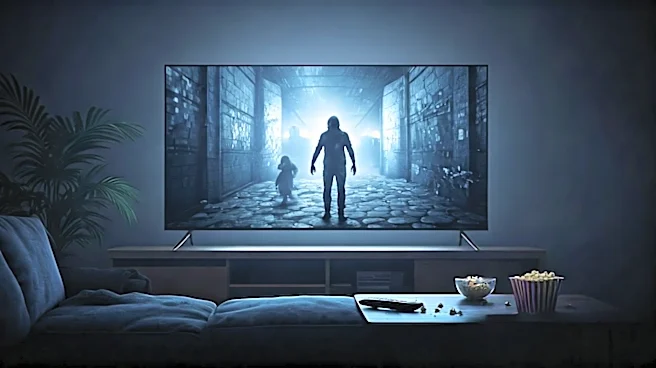
The bigger threat to the 'Evil Dead' franchise's long-term relevance isn't another movie; it's the entire streaming ecosystem. Platforms have fundamentally changed audience behavior. It's no longer about choosing between one or two horror movies at the local cinema. Now, the choice is between going to a theater or staying home to access a nearly infinite library of scares. For a monthly fee, services like Netflix, Peacock, and the horror-centric Shudder offer an overwhelming amount of content. Shudder, in particular, has become a powerhouse by catering specifically to horror fans. The service doesn't just license old classics; it aggressively acquires and produces original content, from international festival hits to niche sub-genre films that would never get a wide theatrical release. This creates a different kind of competition. It’s not just about a single weekend; it's a battle for a viewer's sustained attention against a catalog of hundreds of other titles.
When 'Good Enough' Is the Enemy
Streaming has created the era of the 'good enough' horror movie. With so much content available, audiences can satisfy a craving for scares instantly. They don't need to wait for a theatrical event. This abundance has cultivated a savvy horror audience that is both deeply engaged and potentially harder to impress. Younger viewers, especially Gen Z and millennials, are the genre's most passionate consumers, and they are accustomed to having a constant, year-round stream of horror content at their fingertips. A new 'Evil Dead' film can't just be good; it has to be an event. It must be compelling enough to convince someone to leave their house when they have a dozen other unseen horror films waiting for them on a streaming service they already pay for. The communal experience of watching a horror movie in a packed theater is a powerful draw, a factor that streaming can't fully replicate. But the convenience and sheer volume of streaming options present a formidable challenge, turning audience apathy into the most dangerous foe.
The New Definition of Success
Ultimately, the success of a future 'Evil Dead' installment will be measured differently. While a theatrical run provides cultural impact and a significant revenue stream, its life on streaming is just as critical. Streaming platforms offer a new path to profitability and audience discovery that exists outside the traditional box office model. The goal is no longer just to win the weekend, but to earn a permanent spot in the digital library of horror fans. The true competition isn't the horror movie that opens on the same weekend. It’s the hundreds of films on Shudder, the original horror series on Netflix, and the cult classics on Max. For 'Evil Dead Burn' to truly succeed, it must not only convince fans to buy a ticket but also prove that it's more worthy of their time than the endless scroll of a streaming menu. The battle isn't just on the big screen anymore—it’s happening on every screen.