


The Power of Imperfection
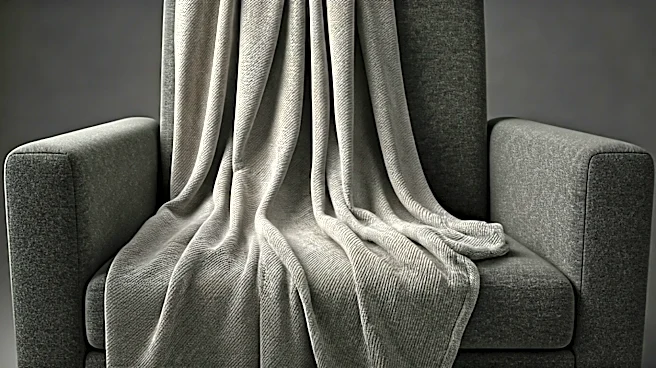
The core critique of linen is also its greatest strength: it wrinkles. In a world obsessed with sterile perfection and iron-pressed conformity, a linen jacket or trouser that creases with every movement is a quiet rebellion. This is the physical embodiment
of *sprezzatura*, the cherished Italian art of studied carelessness. It telegraphs that the wearer is comfortable, unbothered, and too confident to worry about a few wrinkles. While a wool suit projects authority, a linen suit projects ease. It’s a fabric that lives and breathes with you, mapping the course of your day in its elegant rumples. In Milan, where style is less about what you wear and more about how you wear it, linen’s inherent nonchalance is not a bug; it’s the entire feature.
The Original Performance Fabric
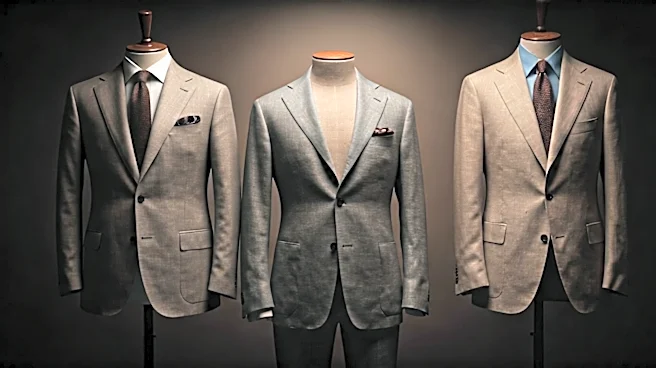
Long before brands engineered moisture-wicking synthetics in a lab, there was linen. Derived from the flax plant, its hollow fibers make it exceptionally breathable and absorbent, wicking moisture away from the skin and allowing heat to escape. For a fashion week held under the sweltering sun of a Milanese June, it’s not just a style choice—it’s a practical necessity. While modern tech fabrics often feel clinical and can carry an unfortunate sheen, linen offers a dry, cool touch that feels utterly natural against the skin. Designers like Brunello Cucinelli and Zegna have built empires on understanding this. They present linen tailoring not as a concession to the heat, but as the ultimate form of climate-responsive luxury. It’s proof that true performance wear doesn’t have to look like you’ve just left the gym.
Sustainability Meets Modern Design
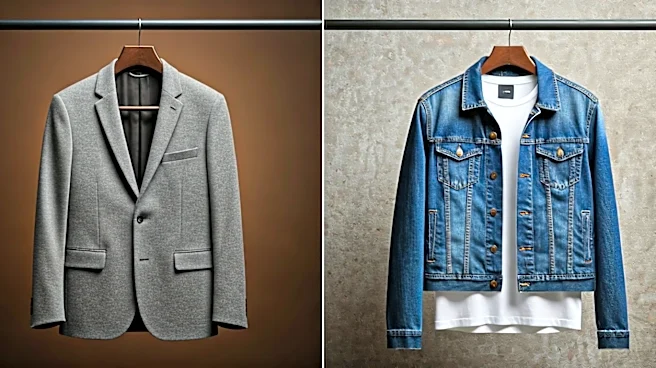
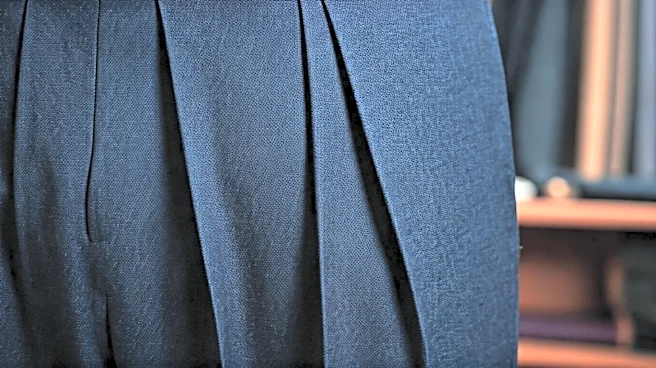
As the fashion industry grapples with its environmental impact, linen stands out as a genuinely sustainable choice. Flax is a resilient crop that can grow in poor soil, requiring significantly less water and pesticides than cotton. The entire plant can be used, leaving almost no waste, and the resulting fabric is completely biodegradable. This ancient material aligns perfectly with modern values. But designers aren't just relying on its eco-credentials. They are constantly reinventing it. We now see linen blended with silk for a subtle luster, with wool for better structure and wrinkle-resistance, or with Tencel for a softer drape. The silhouettes are evolving, too. Look beyond the classic blazer and you’ll find unstructured chore coats, wide-leg pleated trousers, and safari jackets, all rendered in a sophisticated palette that moves far beyond the traditional beige and white. It is being treated not as a summer-only staple, but as a versatile textile for a modern wardrobe.
A Connection to Craft
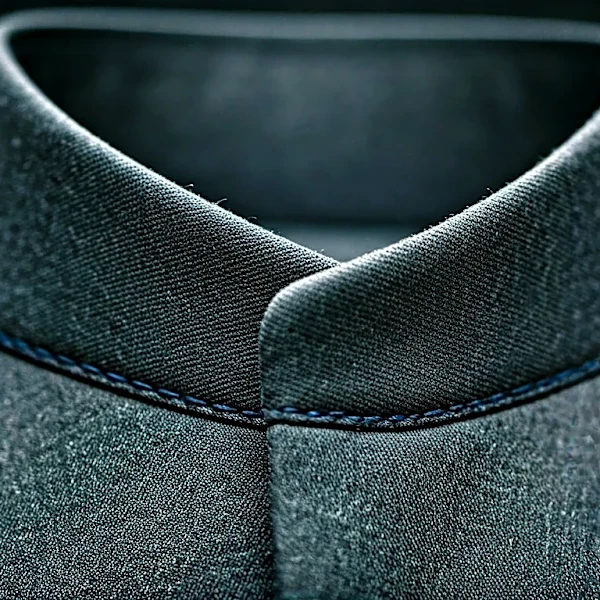
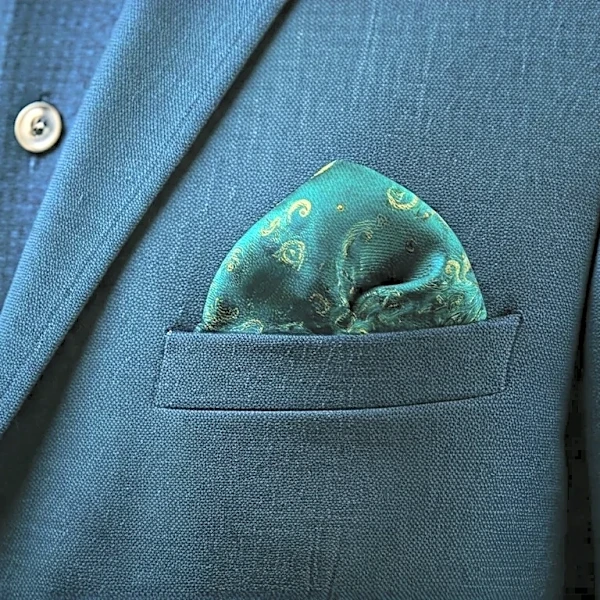
Finally, linen tailoring persists in Milan because it represents a connection to heritage and artisanal craft in an increasingly digitized and mass-produced world. The process of turning flax into fine linen is an old one, and the best linen fabrics still come from legacy mills in Italy and Ireland. When a designer like Canali or Kiton cuts a suit from a high-quality linen, they are tapping into a long history of textile expertise. The slubs and slight irregularities in the weave are a reminder of its natural origin—a welcome texture in a sea of flat, synthetic surfaces. For the discerning customer, a linen suit isn't just an item of clothing; it's a piece of agricultural and artisanal history, a tangible link to a slower, more considered way of making things. In Milan, that story matters.