




The Golden Age of the Bundle
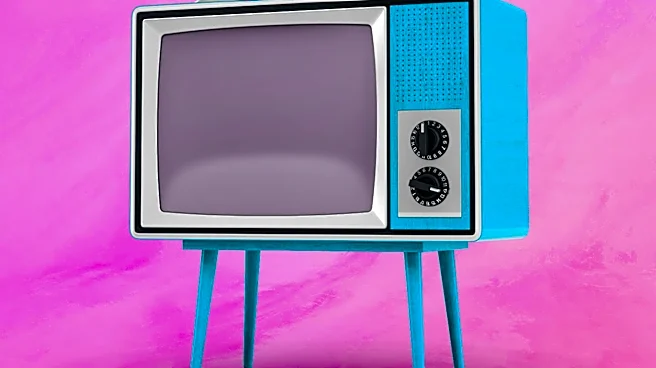
For decades, the cable bundle was the undisputed king of home entertainment. It was a simple, powerful proposition: one monthly payment for a massive package of channels. This model was incredibly lucrative for media giants, who could force even the most
niche channels into every home, propped up by popular networks. Viewers got variety, and companies got guaranteed revenue. But the cracks were showing. Customers grew tired of paying skyrocketing prices for channels they never watched. The one-size-fits-all model, once a strength, became a vulnerability. It was a golden cage—comfortable, familiar, but ultimately restrictive.
The Unbundling Begins
Enter Netflix. When it pivoted from mailing DVDs to streaming video in 2007, it didn't just offer a new service; it offered a new philosophy. For a low monthly price, you could watch what you wanted, when you wanted, with no commercials. This concept of on-demand viewing was a direct assault on cable's rigid schedules and bloated packages. As high-speed internet became commonplace, "cord-cutting" went from a niche trend to a national movement. Services like Hulu, which launched in 2008, initially offered a way to catch up on network shows, further eroding cable's dominance. For the first time, consumers had a real, viable alternative to the bundle.
The Streaming Wars and Peak Fragmentation
If the early 2010s were about unbundling, the late 2010s and early 2020s were about a content gold rush. Spurred by Netflix's success, every major media company reclaimed its content and launched a proprietary streaming service. Disney+ arrived in 2019 with its massive library, followed by HBO Max, Peacock, and Paramount+. This was the era of fragmentation. Suddenly, your favorite shows were scattered across half a dozen different subscriptions. To follow it all, you needed multiple accounts, and the combined cost began to rival the old cable bill you gleefully cancelled. This explosion of choice created a new problem: subscription fatigue.
The Great Re-Bundling of 2026
Which brings us to today. The chaos of peak fragmentation proved unsustainable. In response, the industry has begun to look backward to move forward. We are now in the era of the "re-bundling." Streaming giants are partnering up, offering packages that combine services like Disney+, Hulu, and Max at a discount. At the same time, a different kind of bundle has exploded in popularity: Free Ad-Supported Streaming TV (FAST). Services like Tubi and Pluto TV offer linear-style channels, complete with ad breaks, mimicking the old cable experience for free. Live sports, once the glue holding the cable bundle together, is now the final frontier, with leagues spreading rights across broadcast, cable, and numerous streaming platforms.