

Deconstruct the Footprint
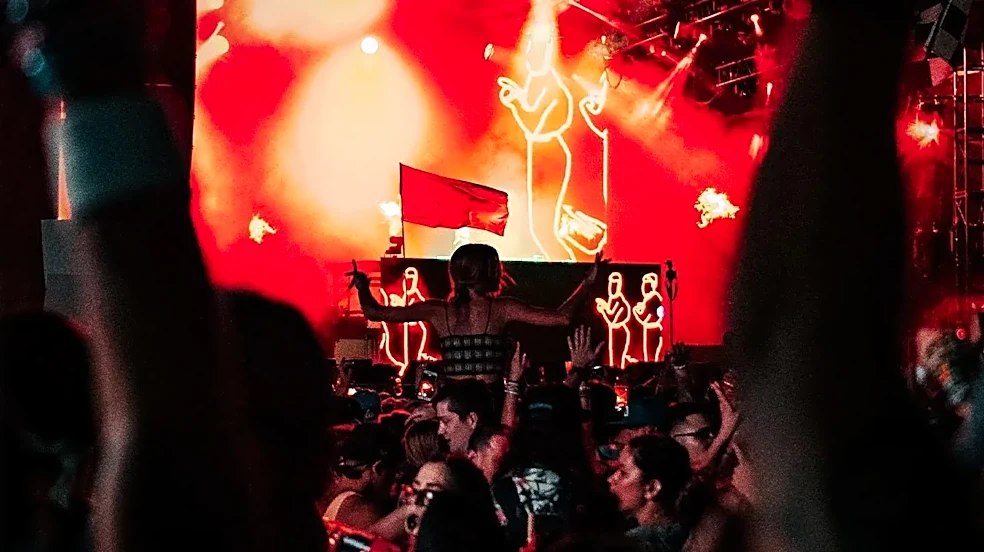
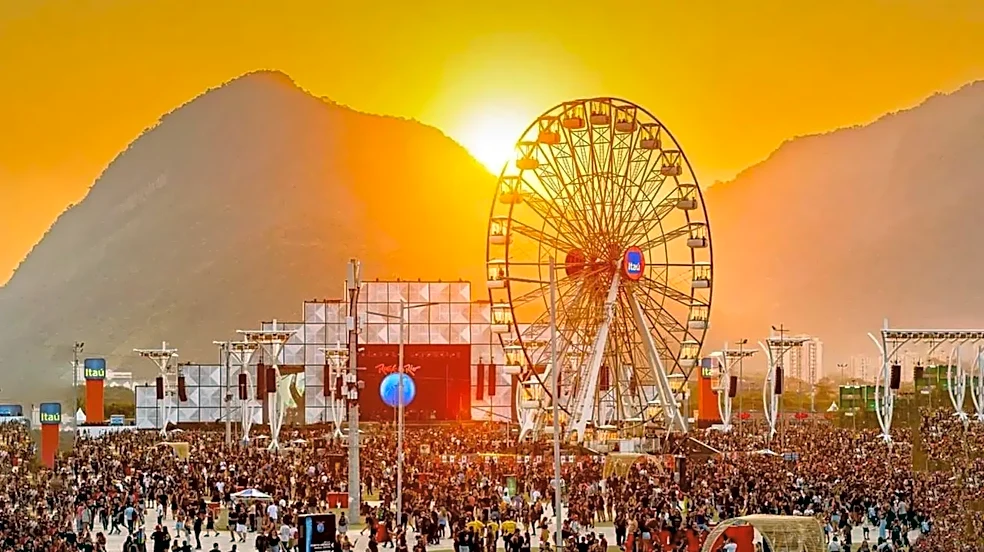
The current layout, with stages and rides interspersed, creates a chaotic free-for-all. While whimsical, it’s a logistical nightmare causing human traffic jams and sound bleed. The most effective fix would be to create more distinct zones. Imagine a dedicated
'Carnival' area, perhaps on one side of the Dodger Stadium space, and a 'Concert' bowl on the other. This doesn't mean building a wall between them, but rather creating a layout that guides foot traffic logically. By separating the high-energy mosh pits from the long, static queues for the Ferris wheel, the festival can drastically reduce frustrating bottlenecks. It would allow attendees to choose their own adventure—commit to a block of rides or camp out for a series of sets—without feeling like they are fighting a tide of people moving in the opposite direction. Clearer, wider pathways between these zones are essential, as is signage that makes navigating the sprawling space intuitive, a common strategy at large-scale events.
Introduce a 'Ride Pass' System
The biggest complaint, beyond crowd density, often centers on the carnival itself: hours-long waits for a two-minute ride. This is where Camp Flog Gnaw can borrow a page from the theme park playbook. Implementing a digital queue or a time-slot reservation system via the festival app would be a game-changer. Attendees could book a window for a specific ride—say, the Scrambler between 4:00 and 4:30 PM—freeing them up to watch a set, grab food, or explore. This 'virtual line' concept manages expectations and transforms wait time into usable festival time. It would require a more robust app, but the payoff in attendee satisfaction would be immense. Instead of a dozen disorganized lines snaking through the grounds, you’d have smaller, managed queues, preserving the open, spontaneous feel of the carnival without the frustrating, time-wasting reality.
Curate the Carnival, Don't Just Expand It
More isn't always better. The temptation with a bigger budget and crowd is to add more of everything: more rides, more games, more stuff. But what if the answer is better, not bigger? Curating the carnival with more unique, branded experiences could be more impactful than simply adding another generic Tilt-a-Whirl. Imagine games designed around Tyler’s aesthetic or interactive art installations that are photo-worthy but don't require a queue. This shifts the focus from passively waiting for rides to actively engaging with the festival's creative identity. Reducing the sheer number of high-demand rides in favor of more varied, lower-intensity attractions could help disperse crowds naturally and give more people something to do at any given moment.
Leverage the App for Crowd Management
Right now, festival apps are mostly for checking schedules and looking at a static map. A truly smart festival app can be a powerful tool for real-time crowd management. By using anonymized location data, organizers could get a live 'heat map' of the grounds. Is the area around the Gnaw stage becoming dangerously dense? The app could send a push notification: 'Huge crowd at Gnaw! Check out the open space and short lines at the Golf Wang store now.' It can also display real-time wait times for rides, merch, and even bathrooms. This empowers attendees to make smarter decisions about their time, guiding them away from congested areas and toward under-utilized parts of the festival. It turns crowd control from a top-down security issue into a crowdsourced, user-driven solution that enhances the experience rather than restricting it.
Explore a Two-Weekend Model
This is the nuclear option, but one worth considering. Festivals like Coachella have successfully used the two-weekend format to manage overwhelming demand. Announcing that Camp Flog Gnaw would take place over two consecutive weekends with largely identical lineups would instantly double the capacity while keeping the daily attendance at a more manageable level. This would make for a less-congested, safer, and more enjoyable experience for everyone. The downside, of course, is that it can dilute the 'you had to be there' urgency of a single-weekend event. However, with tickets for the last festival selling out in an hour, well before the lineup was even announced, it's clear the demand is there. It’s a trade-off: a slightly less exclusive vibe for a vastly improved on-the-ground reality.