







The Man of a Thousand Voices
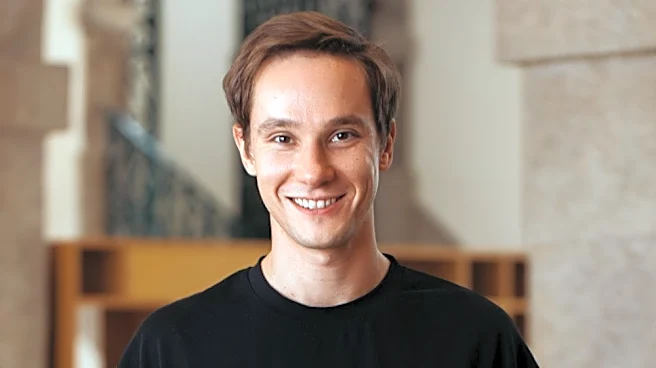
For decades, Maurice LaMarche has been a foundational pillar of animation. Voted “Most Likely To Be Someone Else” in high school, he built a career on masterful versatility. He's the Emmy-winning voice behind The Brain from Animaniacs and Pinky and the Brain,
a role born from his uncanny Orson Welles impression. He brought life to dozens of characters in Futurama, including the perpetually unimpressed Lrrr and the tragicomic Calculon. His resume is a tour of modern classics: Egon Spengler in The Real Ghostbusters, Big Bob Pataki in Hey Arnold!, and even Toucan Sam for a generation of cereal eaters. LaMarche represents a class of veteran performers who don’t just read lines; they build characters from the vocal cords up, creating personalities so distinct they become cultural touchstones. His work is a testament to an era where unique, human-driven performance was the undisputed engine of animation.
The Ghost in the Machine
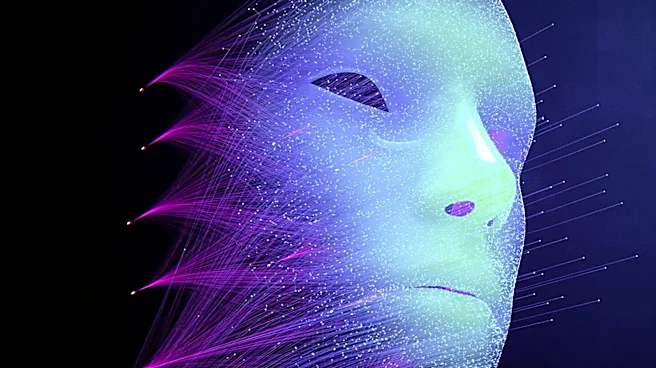
The most visible threat to this craft is the rapid advancement of artificial intelligence. The prospect of AI creating synthetic voices has sent a chill through the industry. While AI can be a tool, replicating voices without consent or fair compensation poses an existential risk. According to a 2026 industry survey, 21% of voice actors reported knowingly losing a job to a synthetic voice, and 9% found their voice had been replicated without their permission. This isn't just about job displacement; it’s about the soul of the performance. AI struggles to replicate the nuanced emotion, comedic timing, and subtle imperfections that make a character feel alive. The fear is that budget-conscious productions might opt for a “good enough” synthetic voice, sacrificing artistic depth for efficiency and cost savings.
A Crisis of Compensation
Beyond AI, the financial landscape for voice actors has fundamentally changed. The shift from broadcast television to streaming has disrupted the traditional model of residual payments. Previously, actors earned residuals each time an episode reran, providing a stable income stream that allowed them to sustain a career between gigs. Streaming platforms, however, often favor higher upfront buyouts with little to no back-end payments tied to a show's success or viewership. Because streamers rarely disclose viewership data, it's nearly impossible for unions and actors to negotiate for fair compensation based on a project's popularity. This creates a gig-economy environment where even seasoned professionals find it harder to maintain a stable living, forcing them to work more for less predictable pay. This financial squeeze pressures the very artists responsible for creating the hit shows that make these platforms valuable.
A Fight for the Future
In response to these pressures, the voice acting community is fighting back. Unions like SAG-AFTRA have made artificial intelligence a cornerstone of their negotiations. Recent contracts for television animation, ratified after the landmark 2023 strikes, include the first-ever AI-specific protections for voice actors. These agreements establish crucial consent and compensation requirements for the use of an actor's digital replica, ensuring performers have control over their synthetic selves. The union has also pushed for stronger residual formulas in the streaming era. The battle is far from over, but these hard-won gains represent a critical stand. They affirm that a voice is not just a sound file to be licensed but the performance of a human artist who deserves to be protected and paid fairly for their work.