





What Are Fluid Trousers?
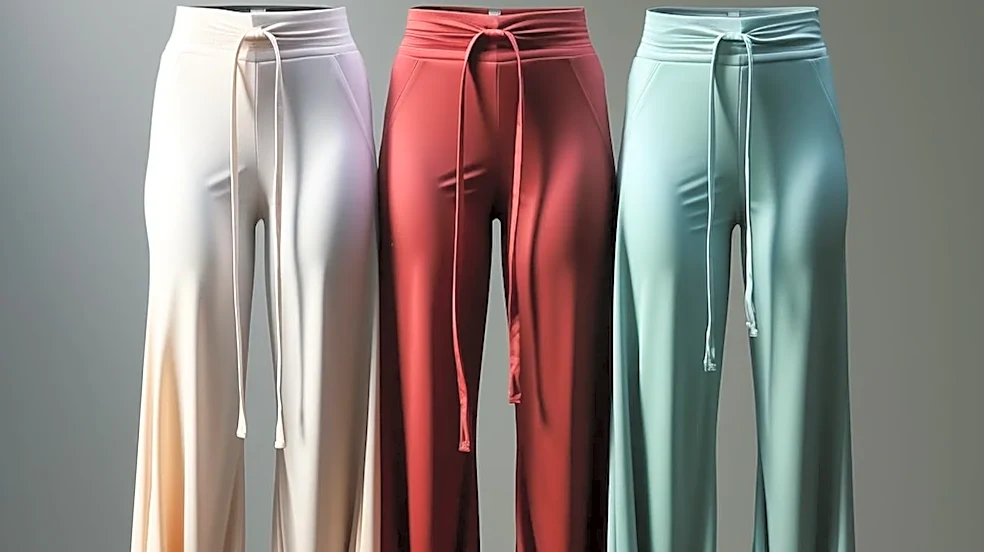
The secret to fluid trousers is all in the fabric and its 'drape'. Drape refers to how a material hangs and moves under its own weight. Fluid trousers are made from lightweight, flowing fabrics like silk, viscose, lyocell, and crepe that fall gracefully
and move with your body. The silhouette is often wide-leg, straight, or flared, but the defining characteristic is this liquid-like movement. Think of a pair of pants that sways and flows as you walk, creating an elegant, elongated line. They feel comfortable and freeing without appearing sloppy, making them a sophisticated alternative to more rigid pants. They are designed to skim the body rather than cling to it, offering a silhouette that feels both relaxed and chic.
What About Trousers That Lack Structure?
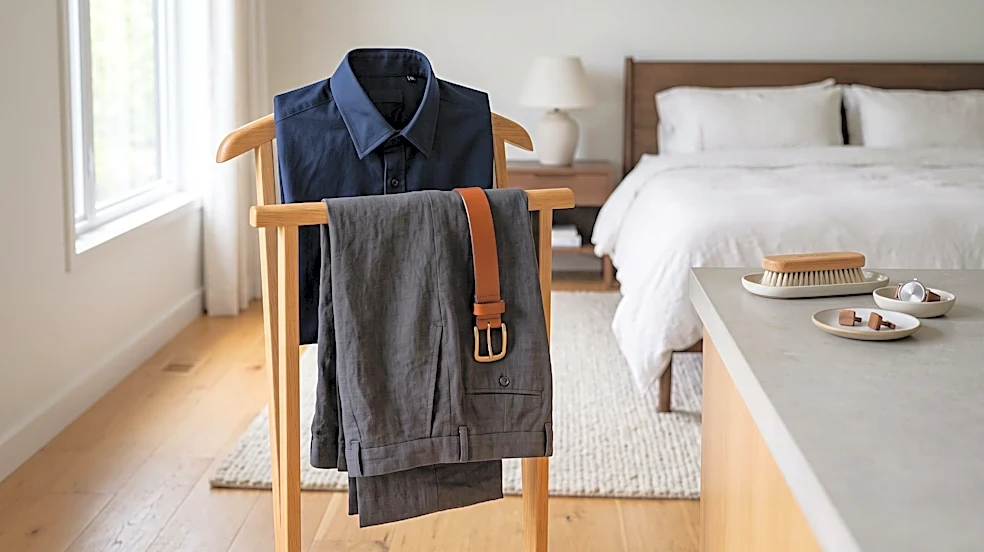
The term 'lacking structure' or 'unstructured' refers to the garment's construction, not just its fabric. Unstructured trousers are made without the traditional tailoring elements that give pants a rigid shape. This means they typically lack sharp, pressed creases, a stiff, reinforced waistband, or heavy internal linings. The idea originated with Italian tailors who wanted to create more comfortable, breathable garments for warmer climates. This category is broader than fluid trousers. It can include everything from casual linen drawstring pants and soft-knit joggers to the trousers of an unstructured suit. The focus is on a relaxed, natural fit that follows the wearer's shape rather than imposing a new one.
So, What's the Real Difference?
Here’s the main takeaway: 'fluidity' is about the fabric, while 'lacking structure' is about the construction. All fluid trousers are, by nature, unstructured. Their flowing fabrics and easy cuts mean they don't have rigid tailoring. However, not all unstructured trousers are fluid. For example, a pair of heavy fleece sweatpants or casual cotton cargo pants lacks the formal structure of dress slacks, but their fabric is not 'fluid'—it's soft and comfortable but doesn't have that signature elegant drape. A pair of silky, wide-leg palazzo pants is both fluid and unstructured. A pair of crumpled linen beach pants is unstructured but not necessarily fluid. The first is defined by its graceful movement; the second is defined by its casual construction.
How to Style Fluid Trousers
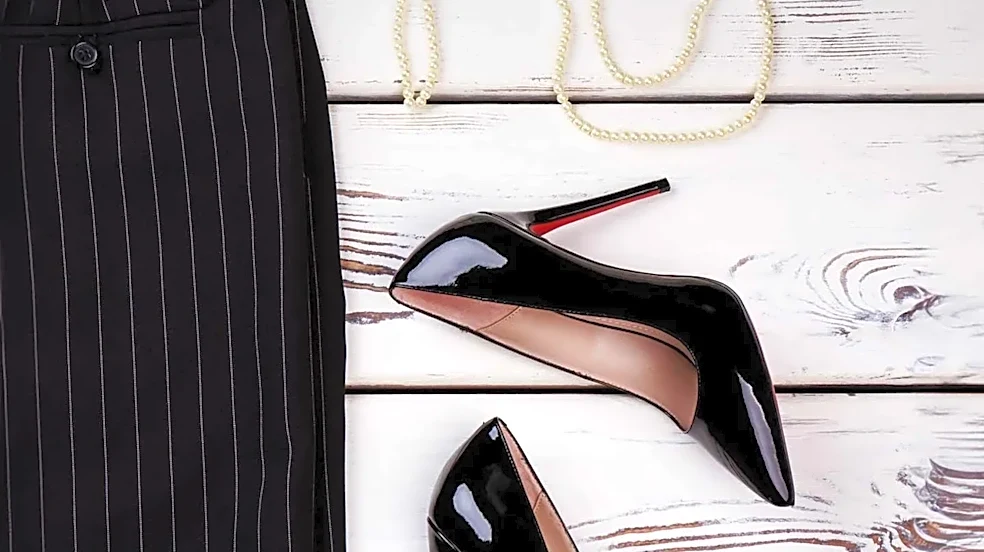
Because fluid trousers have a lot of volume and movement, the key is balance. Pair them with a more fitted top—like a slim-fit knit, a simple tank top, or a tailored blouse—to define your upper body and create a harmonious silhouette. Tucking in your shirt is a great way to highlight your waist and prevent the outfit from looking shapeless. These trousers are incredibly versatile; they can be dressed down with chic sneakers and a t-shirt for a weekend brunch or elevated with heels and a blazer for the office or a dinner out. Their inherent elegance makes them an easy way to look polished without feeling constricted.
When to Wear Unstructured Trousers
Styling unstructured trousers depends entirely on the specific type you're wearing. For a pair of relaxed-fit linen or cotton pants, embrace the casual vibe. A simple tee, sandals, and a denim jacket create a perfect laid-back look. If you're wearing trousers from an unstructured suit, you can lean into the 'sprezzatura' (studied carelessness) aesthetic. Pair them with a crisp open-collar shirt and loafers for a look that's smart but not stuffy. The goal with any unstructured pant is to look intentional. Even if the fit is relaxed, ensure the rest of the outfit feels put-together to avoid looking sloppy.