




The Blueprint: Dior’s Post-War Revolution
To understand the 1950s revival, you have to understand Christian Dior’s 1947 “New Look.” After years of wartime rationing and utilitarian, shoulder-padded styles, Dior presented a collection that was radically feminine and opulent. The look was defined
by a cinched, waspish waist, a full, calf-length skirt that used yards of fabric, and a soft, rounded shoulder line. It was a silhouette that celebrated structure, hourglass proportions, and unapologetic elegance. This aesthetic, which dominated the following decade, was a declaration that glamour was back. It moved fashion away from the practical and into the realm of the aspirational, creating a visual language of poise and refinement that still resonates today.
A Perfect Match for the Dress Code
Royal Ascot is not a casual affair; it has one of the strictest dress codes in the world, especially within its most exclusive Royal Enclosure. Dresses and skirts must be of “modest length,” falling to the knee or longer. Straps on dresses must be at least one inch wide. Midriffs must be covered. This is where the 1950s silhouette isn’t just a stylistic choice—it’s a practical solution. The era’s classic day dresses, with their defined waists, covered shoulders, and A-line or pencil skirts that naturally hit below the knee, fulfill every requirement with inherent grace. You don't have to 'adapt' a 1950s-inspired look for Ascot; its DNA is already perfectly compliant. It offers a way to look impeccably formal and stylish without the risk of a fashion faux pas.
The Allure of Timelessness
In a world of fast fashion and fleeting micro-trends, the 1950s silhouette offers something enduring: timelessness. Attendees at Royal Ascot, including royals like Kate Middleton and Princess Eugenie, are navigating a unique sartorial challenge. They must appear modern and fashionable, yet respectful of a centuries-old tradition. Choosing a look inspired by the fifties is a savvy move. It telegraphs an appreciation for history and classic elegance. It’s a style that exists outside the churn of seasonal trends, ensuring that photos from the event won't look dated in a year or two. This aesthetic projects poise, sophistication, and an understanding that for certain occasions, classicism is more powerful than novelty.
Modern Polish on a Classic Form
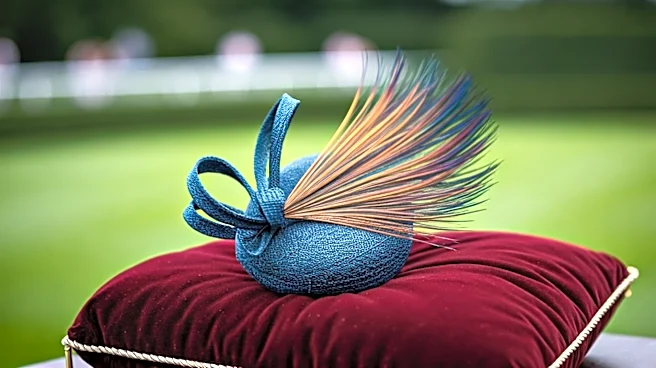
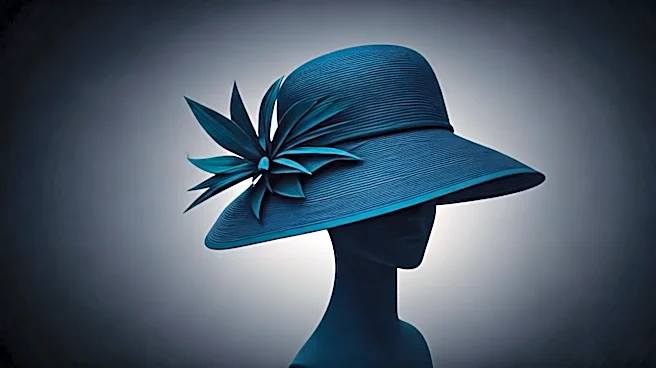
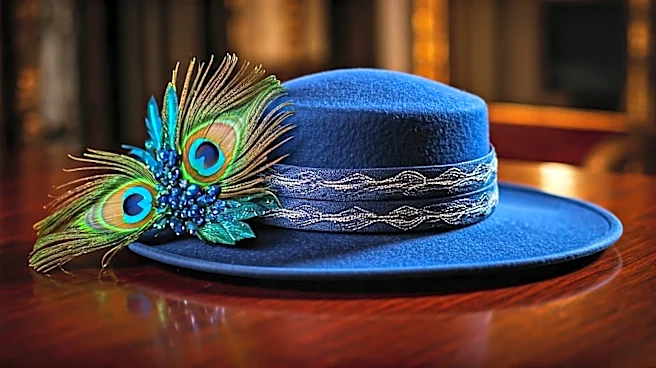
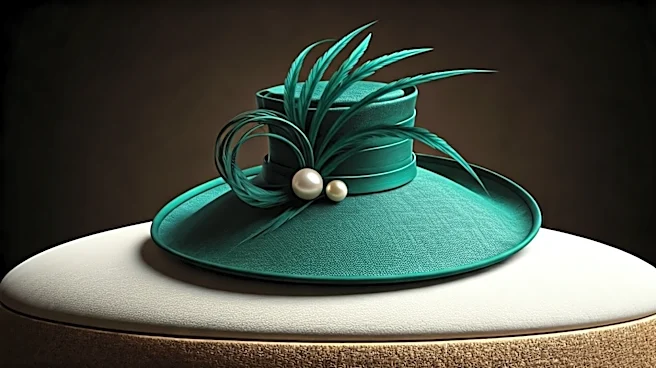
Fashion insiders aren’t simply showing up in vintage costumes. The key is in the modern interpretation. Designers like Emilia Wickstead and Suzannah London have built their brands on updating these classic mid-century shapes for a contemporary audience. Today’s versions might use innovative fabrics like bonded crepe or feature a sharper, more architectural cut. A classic full-skirted dress might be rendered in a bold, graphic print or a shocking neon color. The hat, a requirement at Ascot, also provides a modern counterpoint. While the silhouette is classic, the millinery can be avant-garde and sculptural. This blend is crucial: the 1950s provides the elegant, structured canvas, but the styling, fabric, and accessories make it feel relevant and personal for the 21st century.