
The Unplugged Ethos
Walk onto the grounds of Fort Adams State Park for the Newport Folk Festival, and what you don't see is as important as what you do. There are no giant LED walls flanking the stages, no scheduled pyrotechnics, and no elaborate, pre-programmed light shows.
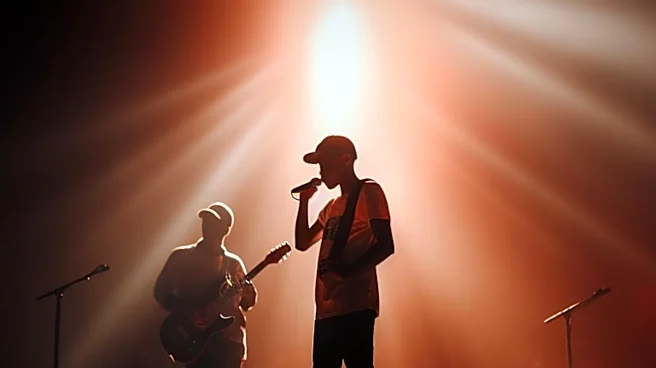
The focus is unapologetically simple: a stage, a microphone, and an artist. This isn't due to a lack of resources; it's a deliberate curatorial choice. The festival, which has a history stretching back to 1959 and has hosted pivotal moments like Bob Dylan plugging in his electric guitar, prioritizes intimacy and connection over sensory overload. The result is a unique, convivial atmosphere where fans and artists feel less like consumers and performers and more like participants in a shared musical experience. It’s a place where tickets sell out before the lineup is even announced, a testament to the trust the audience has in this enduring vision.
Where Surprise Is the Headliner
The minimal production serves a crucial purpose: it creates space for spontaneity. At Newport, the most memorable moments are often the ones that weren't on the schedule. The 2026 festival was a prime example, overflowing with the unannounced collaborations that have become its trademark. The festival's closing set, hosted by Nathaniel Rateliff, featured a stunning, unannounced appearance by Dave Matthews, who performed a six-song solo acoustic set. The collaborations didn't stop there. Hayley Williams of Paramore hosted an "& Friends" set that included guests like Jack Antonoff, Jenny Lewis, and Lucy Dacus. Tom Morello of Rage Against the Machine brought his 15-year-old son Roman on stage for a searing performance. This magic extends to smaller stages, too, like when The Lumineers performed a pop-up set on the tiny, bicycle-powered Bike stage. These moments can't be manufactured; they arise from an environment that encourages artists to take risks and connect with each other.
An Artist's Playground
For musicians accustomed to the rigid structure of large-scale tours, Newport is a breath of fresh air. The low-pressure, collaborative setting makes it an artistic playground. Artists are frequently seen watching each other's sets from the side of the stage or roaming the grounds, blurring the line between performer and fan. Brandi Carlile has said that some of the most amazing times of her life have happened at the festival. The stripped-down format allows for unique interpretations of well-known songs, like Brandon Flowers performing a pared-back version of The Killers' "When We Were Young" or Ms. Lauryn Hill delivering an intimate acoustic set of her classics. This freedom fosters a sense of presence and connection that can be lost in a more produced environment, creating a space where, as one review noted, musicians and fans alike can let go of their baggage and find a moment of grounding.
The Anti-Coachella
In a saturated festival market, Newport’s model stands in stark contrast to its bigger, louder competitors. While other events sell a high-tech, Instagram-driven spectacle, Newport offers a different kind of currency: authenticity. It’s a festival built for listening. There are no designated “drinker” mosh pits; alcohol is confined to specific zones away from the stages to maintain a focus on the music. The compact footprint of Fort Adams makes it easily walkable, and the organizers prioritize attendee comfort with free water stations and ample seating. This people-first approach reinforces the sense of community that has defined the festival for decades. It's a place where the primary draw isn't a celebrity sighting or a photo opportunity, but the chance to witness a one-of-a-kind musical moment, whether it's Joan Baez dancing on stage with Dave Matthews or a new artist having their breakout performance.