





It’s About Nation, Not Just a Team
When your favorite NFL or NBA team loses, it stings. But when a national team plays in a World Cup, the stakes are elevated to a different stratosphere. It’s not just a city’s pride on the line; it’s the collective identity of millions. The game becomes
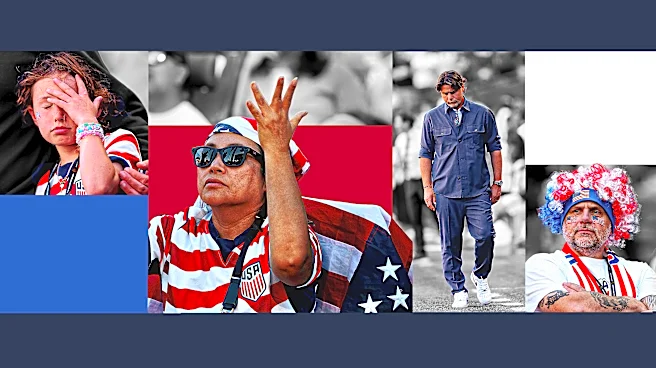
a vessel for national pride, a chance to project an image of strength, style, and spirit on a global stage. Fans become part of an “imagined community,” sharing in the emotional rollercoaster with millions of fellow citizens they’ll never meet. Chants of "U-S-A" during a World Cup aren't just for the 11 players on the field; they're an affirmation of a shared cultural experience, turning a sporting event into a quasi-national holiday.
History Bleeds Onto the Pitch
American sports have incredible rivalries, but they rarely carry the weight of centuries of geopolitical history. International soccer rivalries are often proxies for deeper conflicts. The rivalry between England and Germany is forever shaded by World War II, just as Netherlands vs. Germany carries its own historical baggage. The infamous Argentina vs. England clash in 1986, featuring Diego Maradona's 'Hand of God' goal, was seen by many Argentinians as symbolic revenge for the Falklands War just four years prior. These aren't just games; they are cultural events where old grievances and historical narratives play out in 90-minute dramas.
The Agony of the Four-Year Wait
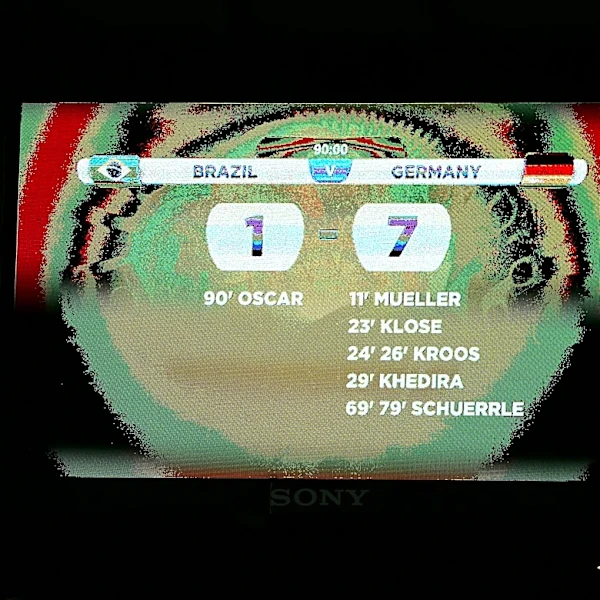
The Super Bowl happens every year. The World Series is an annual affair. If your team fails, there's always next season. The men's FIFA World Cup happens once every four years. A single generation of players might only get two or three realistic chances at glory. A devastating loss can haunt a nation for decades, becoming a part of its folklore. This rarity amplifies every single moment. A missed penalty or a bad refereeing call isn't just a mistake; it's a potential disaster that a country might have to wait half a decade or longer to even have a chance to avenge. The long cycle between tournaments builds an incredible sense of anticipation and puts immense pressure on every single match.
The Brutality of 'Win or Go Home'
Most major American sports championships are decided by a best-of-seven series. A team can have an off night, regroup, and fight back. The World Cup knockout stage offers no such luxury. It's a single-elimination, sudden-death format where one bad bounce, one moment of individual brilliance, or one costly error can end a nation's dream instantly. There are no second chances. This format is designed for maximum intensity, ensuring every game is a do-or-die situation. This brutal finality creates a level of constant, heart-pounding tension that a longer series simply cannot replicate. The second-best team in the world could be sent home in the first knockout round because of one unlucky moment.
A Truly Global Stage
A domestic league championship is a huge national event, but the World Cup is the single biggest sporting event on the planet, a global cultural festival that brings the entire world to a standstill. Knowing that billions are watching—not just your countrymen, but fans and rivals from every corner of the globe—adds a unique layer of pressure and prestige. Winning a game isn't just about advancing; it's about earning global respect. Losing isn't just a disappointment; it's a public failure witnessed by all. This global microscope magnifies every emotion, from the ecstasy of victory to the crushing weight of defeat, making each rivalry clash feel like a chapter in world history.