








The Global Magnifying Glass
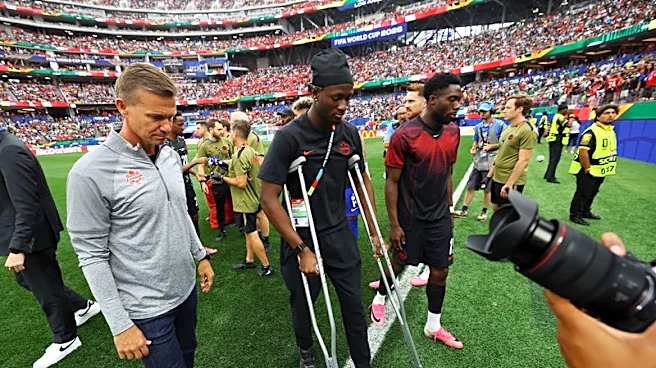
Every four years, the Soccer World Cup becomes the center of the sporting universe. Billions of people tune in, national pride is on the line, and players carry the weight of expectation from entire countries. This environment doesn't just amplify great
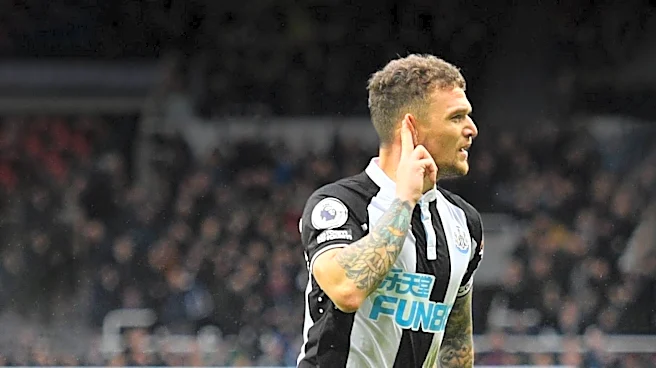
goals or dramatic saves; it creates a pressure cooker where every single action is captured and analyzed. In this hyper-scrutinized setting, a momentary lapse in judgment, a fleeting expression of frustration, or a minor disagreement between teammates is no longer a private matter. It’s public domain, captured by dozens of cameras and broadcast globally in high definition, ready to be interpreted and often misinterpreted.
From a Sideline Glance to a National Crisis
Consider the anatomy of a typical micro-drama. A star forward misses a clear chance at goal. As he walks back to the halfway line, a teammate, the team captain, gives him a long, hard stare. In a regular league game, this might go unnoticed or be forgotten by the next play. But at the World Cup, it’s a story. Slow-motion replays isolate the glance. Pundits in a studio thousands of miles away dedicate entire segments to analyzing the body language. Was it encouragement? Frustration? A sign of a deep-seated rift threatening to derail the team's campaign? The ambiguity is the point; it leaves a vacuum that gossip and speculation rush to fill. Before the final whistle, that single look can become a headline about a team in turmoil.
The Social Media Accelerator
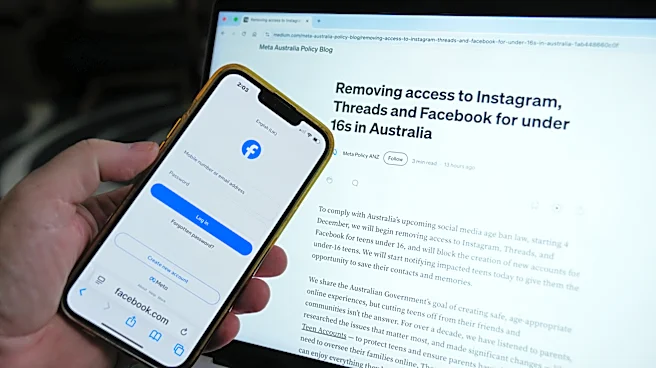
If television cameras provide the spark, social media is the gasoline. Within seconds of an incident, clips, GIFs, and screenshots are circulating on platforms like X (formerly Twitter), Instagram, and TikTok. Fan accounts, often with hundreds of thousands of followers, offer their own hot takes. Hashtags trend worldwide. The narrative can spin out of control with staggering speed, often fueled by national rivalries or existing biases against a player or team. Athletes' own social media accounts are scoured for clues; an old post can be decontextualized, or a new, vague one can be treated as definitive proof of a problem. This digital firestorm creates a version of reality that is nearly impossible for the players or team officials to correct, especially when facing online abuse from those who have bought into the narrative.
Feeding the Content Beast
The 24/7 sports media cycle has an insatiable appetite for content, especially during a tournament with days off between big matches. These small moments of potential conflict are perfect fodder. They provide material for debate shows, columns, and podcasts, filling the airtime and column inches that would otherwise be empty. It creates a feedback loop: the media reports on the social media speculation, which in turn generates more online discussion, which then becomes a bigger story for the media to cover. It’s a content-generation machine that prioritizes engagement and clicks over nuance, turning minor events into serialized dramas for public consumption.
The Human Element Under Pressure
Ultimately, at the heart of these firestorms are human beings operating under almost unimaginable stress. To be a fan is to be emotional, but for players, the stakes are career-defining. They are exhausted, carrying injuries, and dealing with the psychological weight of the world's biggest sporting event. A flash of anger or a look of despair is often just that—a momentary, human reaction. Yet, in the modern World Cup landscape, players are also global brands, and their every action is viewed through the lens of professionalism and image. This dual role of athlete and public figure means there is little room for unfiltered emotion, turning even the smallest, most relatable lapse into front-page news and global gossip.