



An Architectural Nod to Hitchcock
From its opening moments, the series establishes a visual language deeply indebted to classic cinema, most notably Alfred Hitchcock’s “Rear Window.” Cinematographer Chris Teague has spoken about how that film's themes of watching, peeking into others'
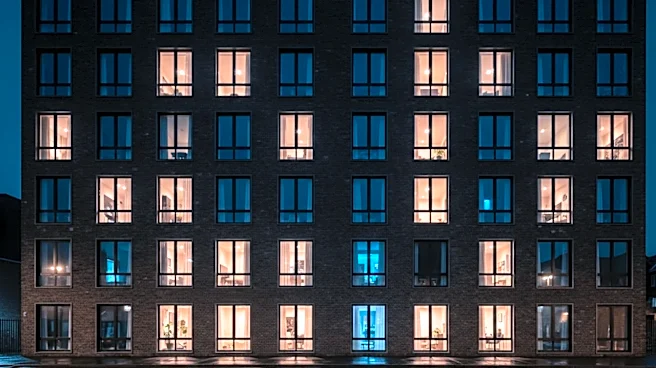
lives, and misinterpreting what one sees are thematically similar to the show. The Arconia’s windows, like the miniature movie screens in Hitchcock's masterpiece, turn every apartment into a potential stage. Each illuminated square offers a glimpse into a private world, transforming the act of simply looking out your window into a form of voyeurism. The show’s very premise—three lonely neighbors bonding over a true-crime podcast—is built on this idea of turning private tragedy into public spectacle, and the windows are the physical manifestation of that blurred line.
The Arconia as a Glass Fishbowl
The production design of the Arconia itself is crucial. The building is designed to feel like a self-contained world, a “caved-in microcosm” of New York City where public and private spaces are constantly overlapping. The courtyard layout, with apartments facing one another, creates a natural fishbowl effect. Residents are simultaneously isolated in their own homes and perpetually on display. This architectural choice reinforces the show’s exploration of urban loneliness amid a sea of people. The animated title sequence perfectly captures this, panning up the building to offer peeks into different windows where residents live out their separate lives. These glimpses—a woman tweezing her eyebrows, someone on the phone—establish the building as a collection of isolated stories waiting to be connected, a task our podcasting trio eagerly takes on.
Windows as Character Mirrors
The show cleverly uses windows to reflect the inner lives of its protagonists. For Charles-Haden Savage (Steve Martin), his pristine, orderly apartment window looks out on a world he struggles to connect with. We see him cooking an omelet for one, a quiet picture of solitude framed for the audience to see. Oliver Putnam’s (Martin Short) apartment, by contrast, is more theatrical, his window a proscenium arch from which he views the drama of the courtyard. And for Mabel Mora (Selena Gomez), windows are often portals to the past. Her unfinished apartment in the first season, with its bare walls, represents a life in limbo, haunted by memories of her friend Tim Kono. The way each character interacts with their windows—and their neighbors’ windows—says everything about their state of mind, whether it’s longing for connection, seeking an audience, or trying to piece together a traumatic history.
The Ethics of Looking
Ultimately, the window motif serves the show’s central question: how well do you know your neighbors? The act of investigation itself becomes a series of privacy violations, justified by the pursuit of truth. Charles, Oliver, and Mabel peer through windows, follow suspects, and dig into private lives, all for the sake of their podcast. This makes the audience complicit in the surveillance. We watch them watching others, turning us all into armchair detectives who believe we have a right to the information seen through a window. The show critiques this very impulse, poking fun at the exploitative nature of the true-crime genre while simultaneously spinning a compelling mystery. The windows serve as a constant reminder that every story has a person behind it, and that looking is never a neutral act. It’s an act of curiosity, suspicion, empathy, and sometimes, danger.